Page 6 of 41

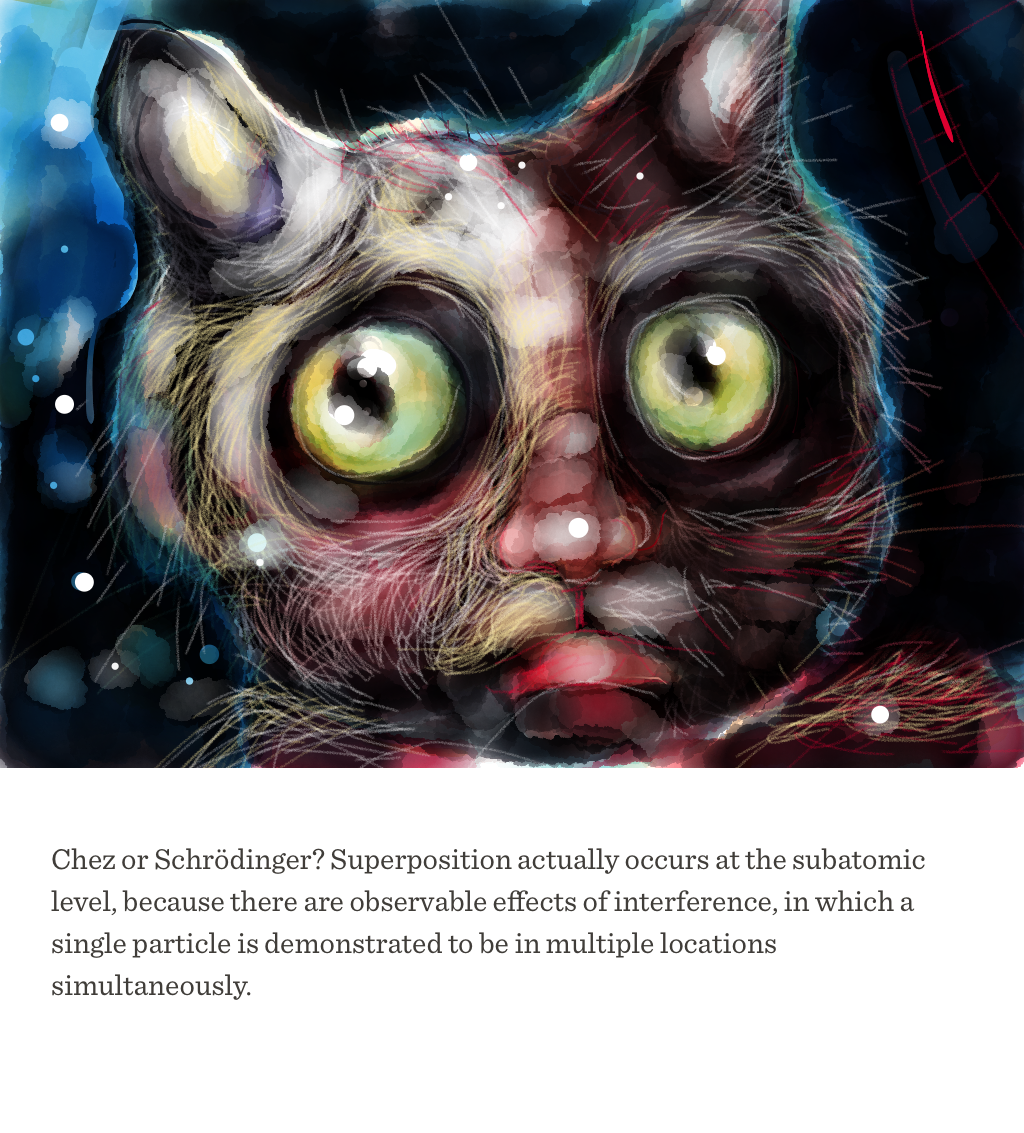
Schrödinger’s cat – or: On the art of being in multiple locations simultaneously
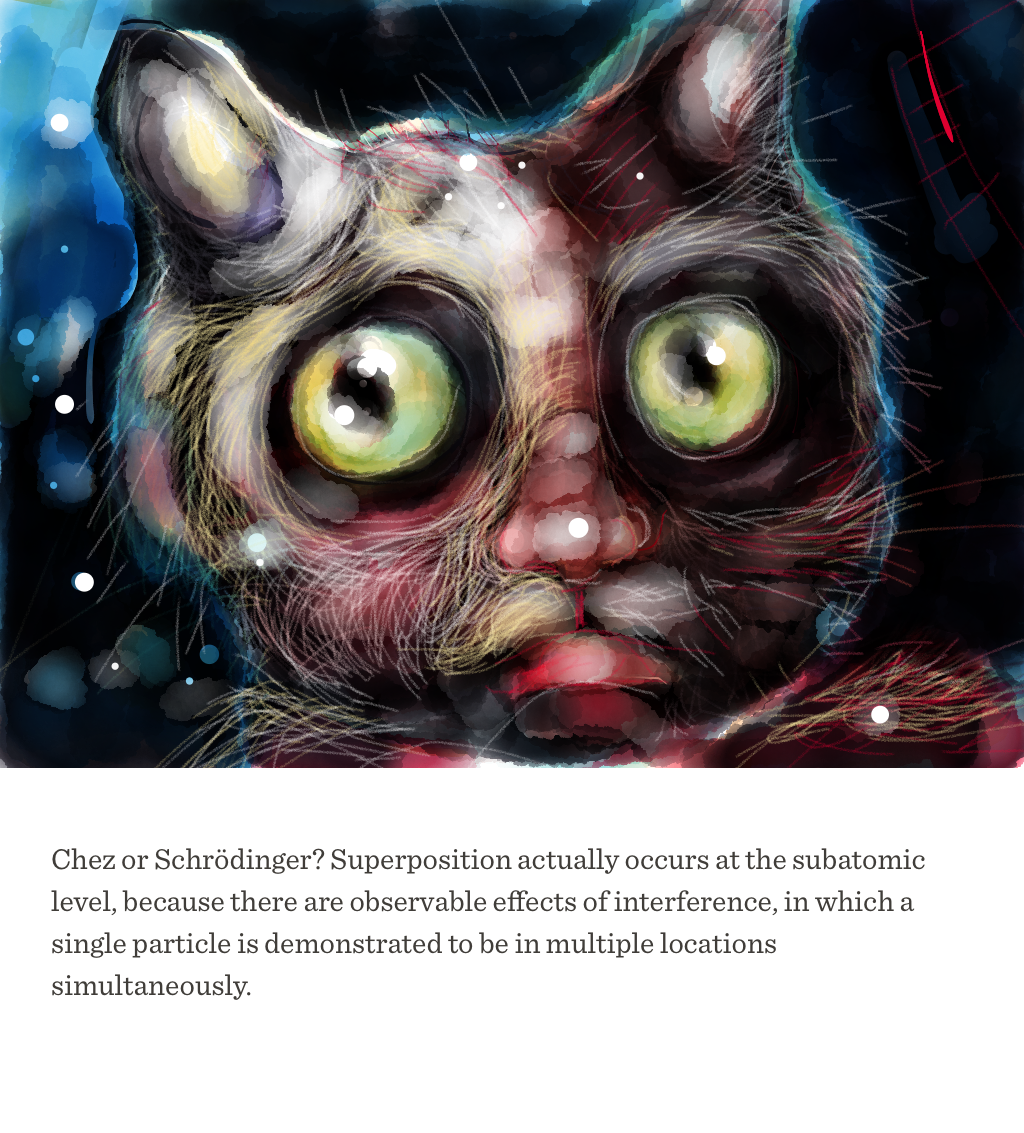
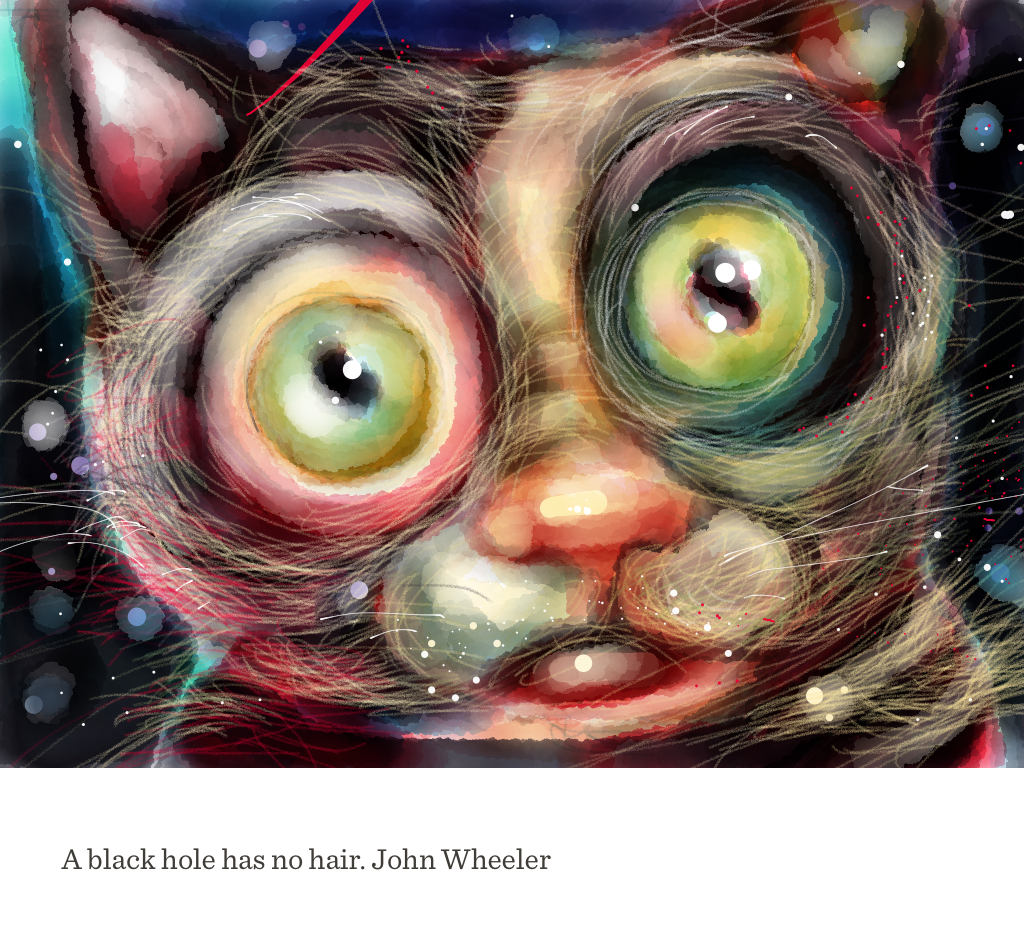
After a couple of years working part time as a lawyer I just started working in a full time position. The first week brought me to about 50 hours and an additional 13 hours commuting time. My brain – while obviously mostly occupied with cases and briefs – feverishly tries to establish a parallel sphere in which running, art and writing might still have a serious existence. While it is hard to get out paints at night digital sketches have been a kind of substitute for my art deprived brain. As for non- legal language impact I have been listening to David Foster Wallace while driving and Proust. In search of lost time. One does not need a psychologist to figure out why these are the choices that offered themselves. As for Schrödinger’s Cat: Only while rereading the small blurb on superposition under my sketch did I realize why the idea has found its way into my nightly art fix: the effect in which a single particle is demonstrated to be in multiple locations simultaneously.
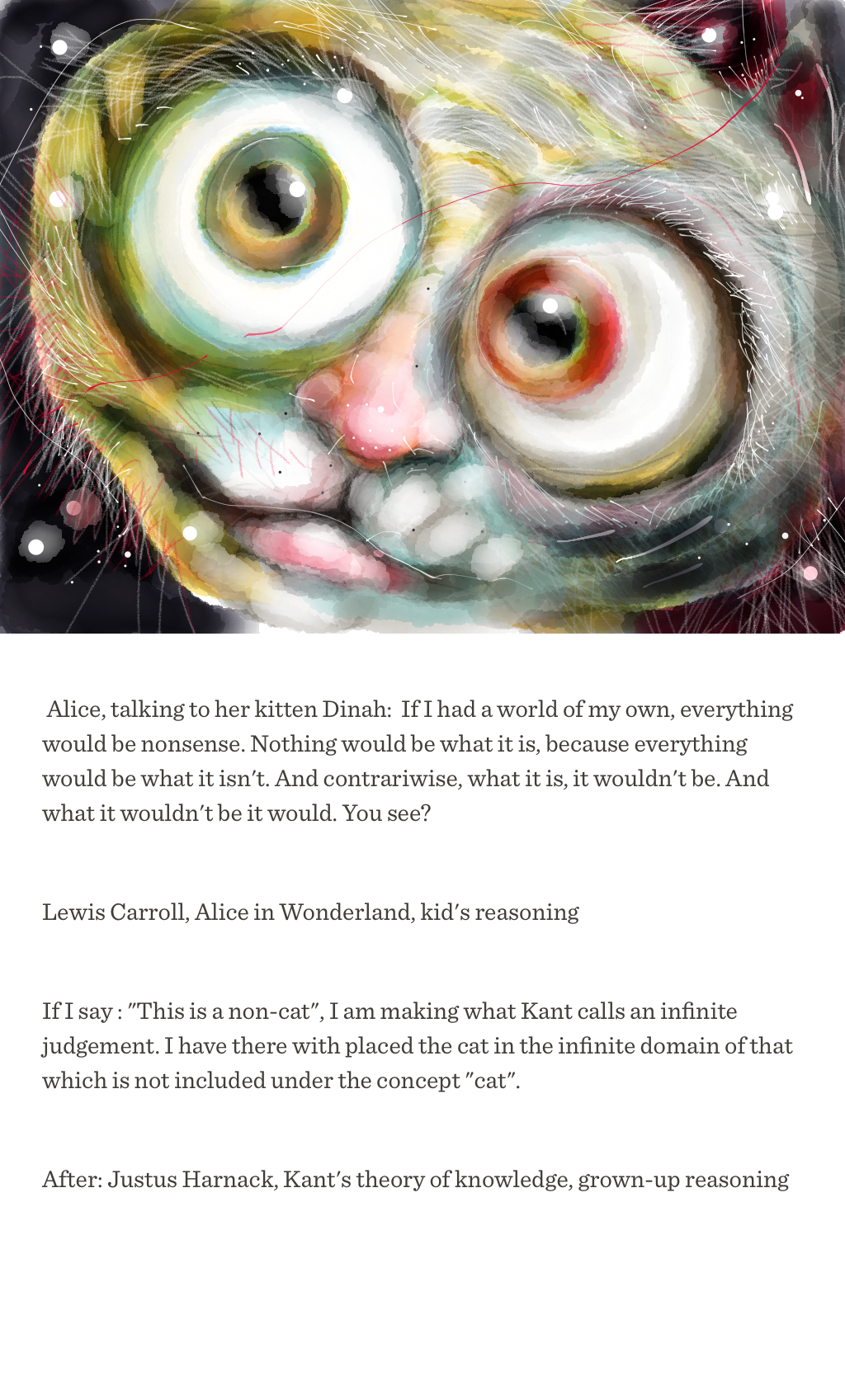
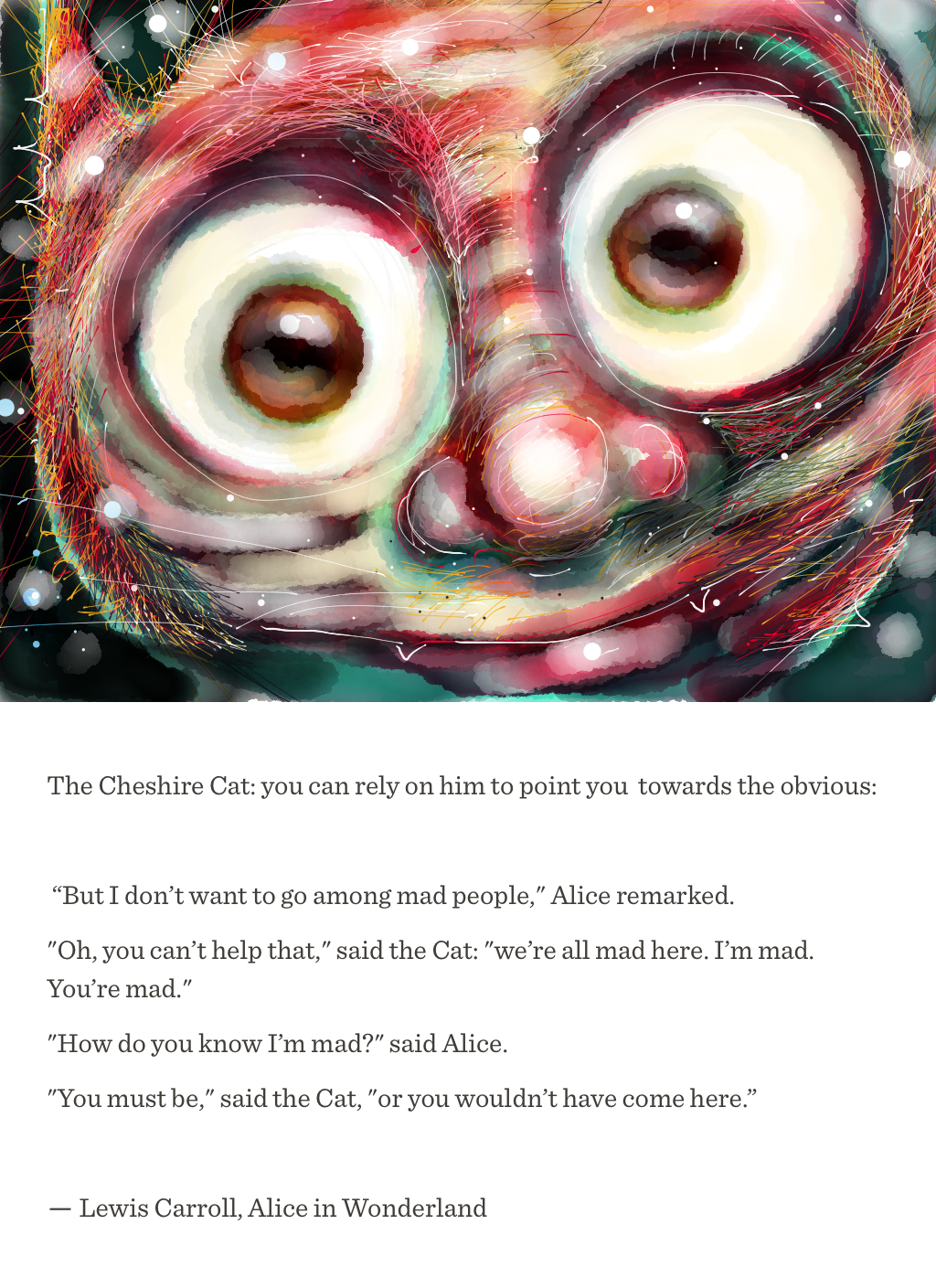
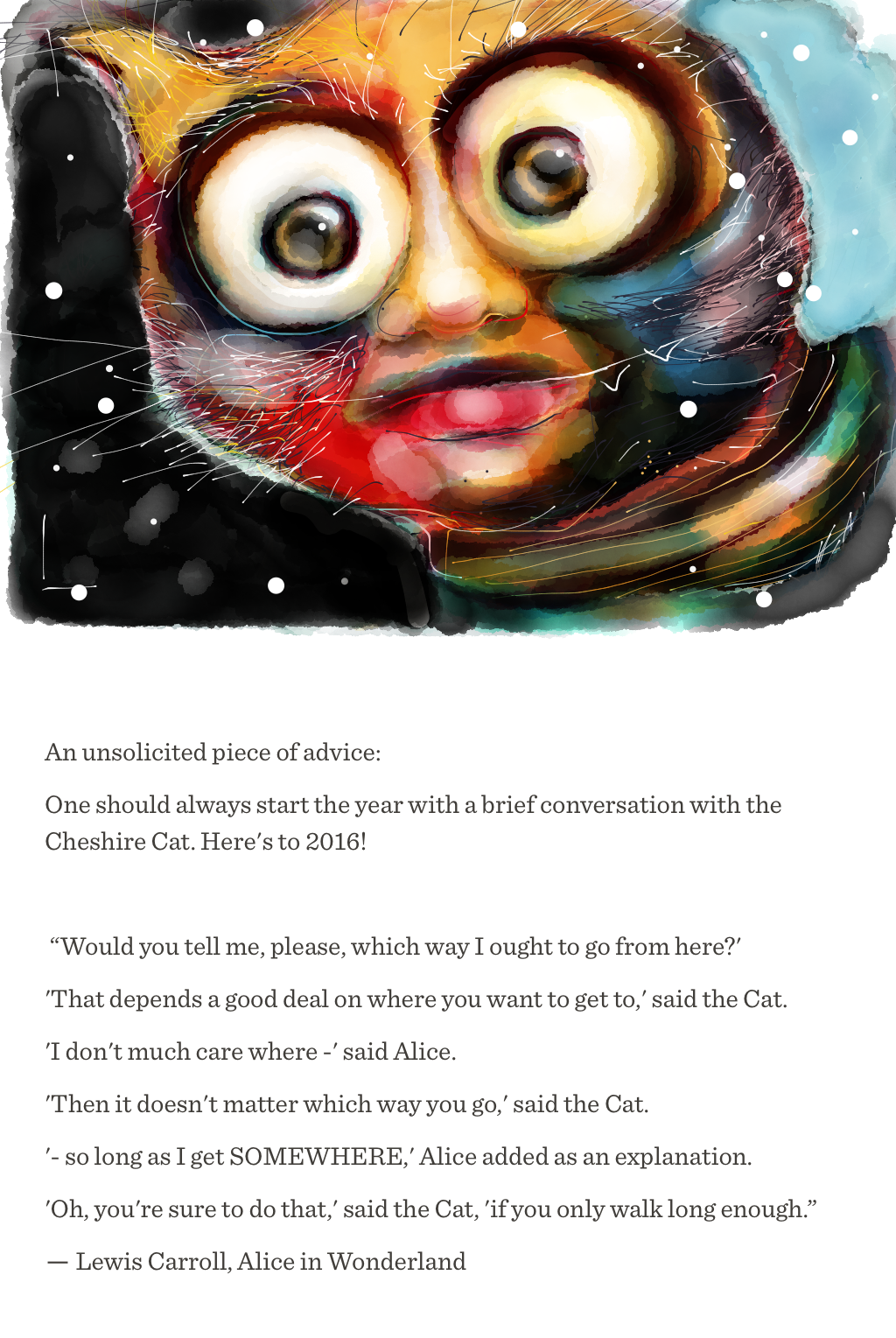
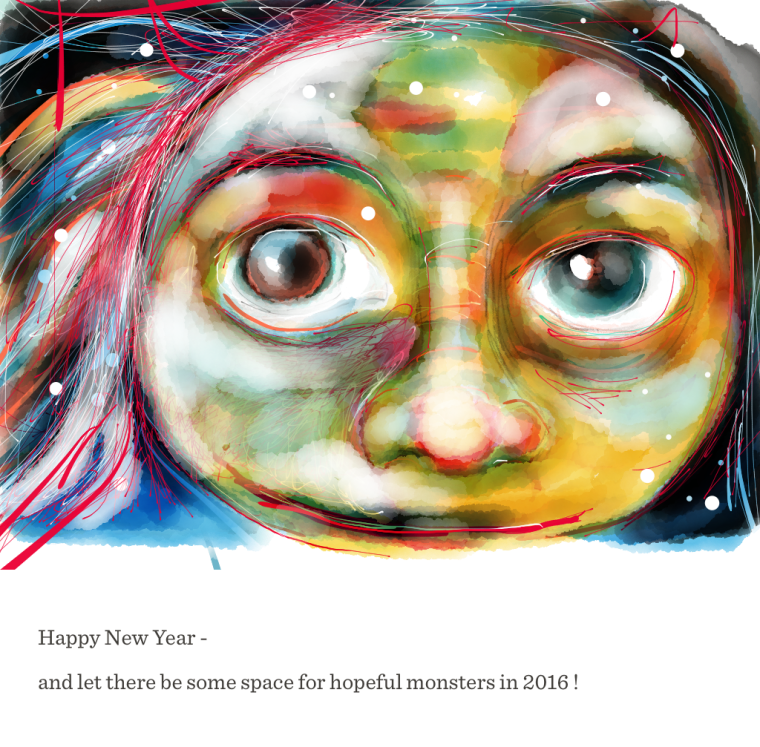
Wishing you a shimmering New Year where ever you may be …
Aelvor’s speech, fragment (The tree at the End of the World) “… let us remember then that it takes so much more honest effort to build than to destroy, to listen than to state one’s own truth, to heal than to wound. Let this be a year to discover opportunities instead of giving in to fear, to be courageous and generous instead of small minded and defensive, to realize that there is no pain that we inflict that will not come back to us, and no missed opportunity to heal that will not come back to haunt our children. Let us realize that we are – in our everyday lives and with our everyday words – weaving history’s endless fabric and that one day we will not be asked why we failed to apply ourselves to the task but only that our contribution will either create a well crafted – even beautiful – passage or marr the fabric. Let us remember that we as well as those who we are taught to call “the other” all have but one life, one moment, to witness the amazing complexity of all of that is and that it is no more legitimate to disturb or shorten this moment than it would be to wake a wee one from its sleep for entertainment. The world is but one light, fragmented and reflected through all of our eyes and united to one shining image in an ancient mirror. We all are equally responsible to patiently guard its wholeness and prevent pieces from shattering, each in our own way, or it will irrevocably turn blind, dark and dull.”
Monster.Kunst.Kinder.Rechte. Ausstellung im BMJV. hier: Monster für Art 18 der UN Kinderrechtskonvention: Deine Eltern müssen bei allem, was sie tun, darauf achten, dass es Dir gut geht.
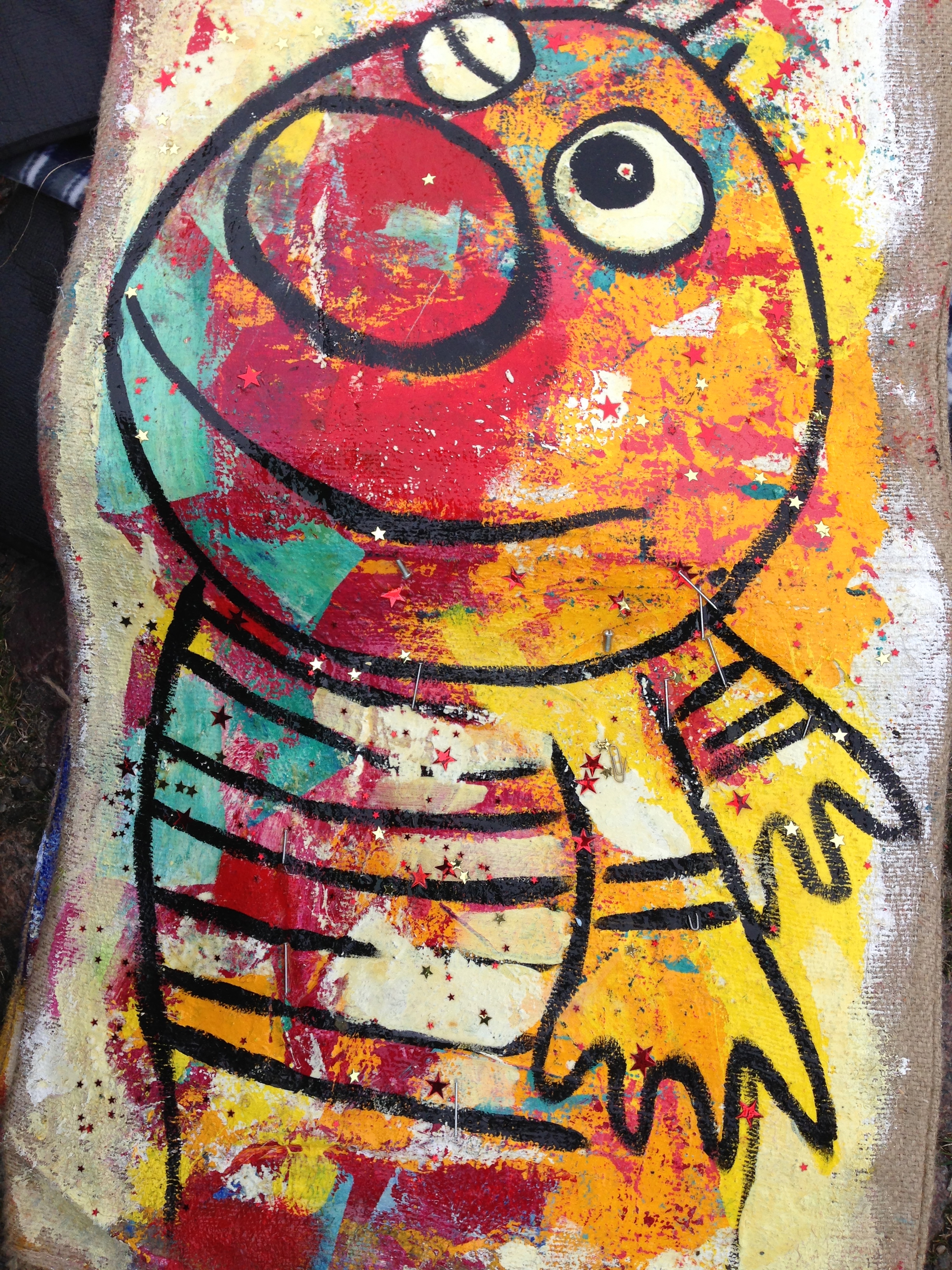
zum Beispiel:
Lassen Sie Ihr Kind spielen! Unterbrechen Sie es nach Möglichkeit nicht, wenn es liest oder schreibt, wenn es malt, wenn es unter dem Tisch sitzt, wenn es in den Tag träumt. Schaffen Sie als Erwachsener eine Umgebung, in der Sie ihr Kind möglichst selten unterbrechen müssen. Nehmen Sie sich selbst eine Auszeit, wenn Ihr Kind spielt, indem Sie Ihrem Kind einfach nur zusehen.
Sehr oft erlebe ich, wenn ich mit Kindern arbeite, dass die Eltern zuerst ermüden und dann ihre Kinder davon zu überzeugen suchen, von einer Aktivität zu lassen, um eine neue, andere Aktivität zu beginnen. Oft mit den Worten: Wir können ja dann später noch mal wiederkommen. Was natürlich in der Regel nicht geschieht.
Die Erwachsenen reflektieren nach meiner Erfahrung ihre eigene Rastlosigkeit in ihren Kindern. Kinder, die nicht unterbrochen werden, können oft stundenlang auf dem Boden sitzen und zeichnen und spielen. Kinder, die frei die Übergänge zwischen ihren Spielen und Aktivitäten wählen dürfen, können auch viele Aktivitäten ohne Stress in einem Fluss miteinander verbinden.
Stress entsteht, wenn der Termindruck aus der Erwachsenenwelt auf die Kinder übertragen wird.
Worte zu Träumen, Träume zu Worten …
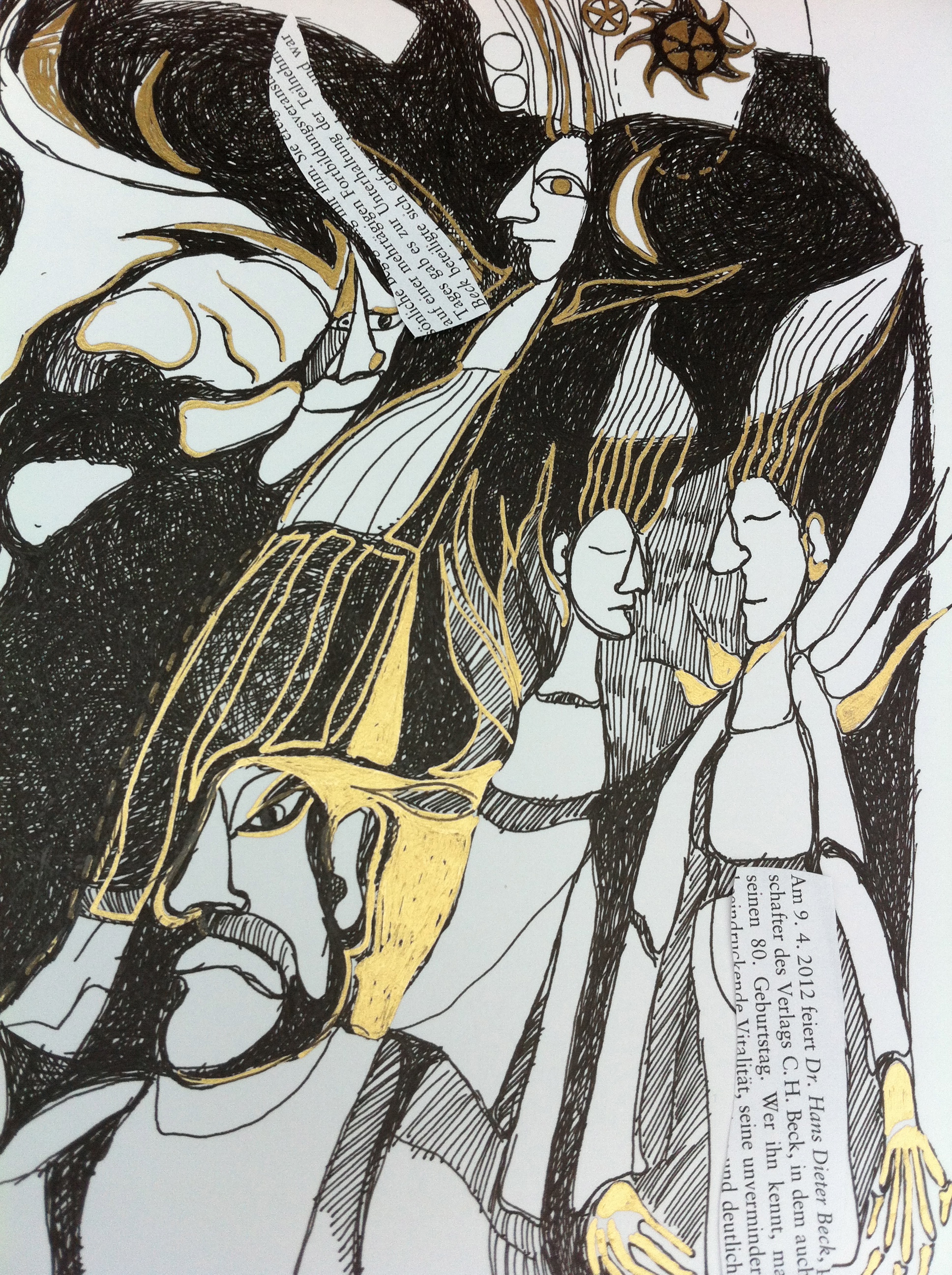 Meine Erzählungen geben auch den Toten Stimme und Gestalt; mit Worten können wir Zeit ungeschehen machen und das Gestern ins Heute holen; die Würde der Toten, die sich ebenso wie die Würde der Menschen, die mit uns leben, nicht in der großen Geste offenbart, sondern liegt in einem lichtvollen Augenblick kurz vor dem Vergessen. Dieser kleine Augenblick ist es, den ich in der Erzählung zu bewahren suche, so dass in unserem kulturellen und politischen Gedächtnis das Wissen bleibt: Das ist ein Mensch, so wenig, so klein, so anmutig, so kostbar, und wir schulden ihm einen lichtvollen Platz in unserer Mitte.
 Art & Writing