Page 23 of 25
another map entry
We were almost entering the North River Tunnel that carries the train traffic underneath the Hudson River from Weehawken, New Jersey, to Penn Station, New York, when I grew aware of the man who was standing opposite of me. That is, I grew aware of his feet first. If you stand very close to strangers in a train car you avoid staring at them, even looking at them openly. The less space you have the more important it is to respect it, I guess. Apart from that, nobody – maybe with the exception of tourists – wants to engage in a conversation on the train. A greeting would count as a conversation in a commuting train. Sometimes a glance might.
So I saw his feet first. It was still February and cold. He was barefoot in a sort of biblical sandal. Strange coincidence. I looked up carefully and was shocked to look directly into the bluest eyes I had ever seen. These eyes belonged to a very old person, his skin was so thin as to be almost translucent, wrinkled like a map that had been folded and unfolded a thousand times and lined by the blue rivers of his blood vessels running close under the surface. He was wrapped in a fine blue woolen coat and scarf and his hand holding on to the rail opposite my own was dressed in an expensive looking leather glove. It was only his shoes that were entirely unusual. And yet he was the second person within the last few weeks I had seen wearing them. Dr. Aaronson, the blind expert on marine biology I had met at Summerville library also had also been wearing sandals in winter.
meadowlands
 I had to switch trains in Newark. The train to the city left from the same track, and the platform was pretty full with commuting traffic already. There was an unsupervised group of teenaged kids with backpacks on the platform as well, chatting and laughing, and I kept in their vicinity and tried to blend in. A girl with a blue sweater eyed me curiously. We were separated while squeezing into the already full train to New York Penn Station. I got pushed against a window in the foyer and found a rail to hold on. People still wore their morning faces and it was surprisingly quiet on the train considered how many people were sharing the ride. I heard the kids from the platform somewhere in one of the adjoining cars but I couldn’t see them. As we were pulling out of the station I stared out of the window again.
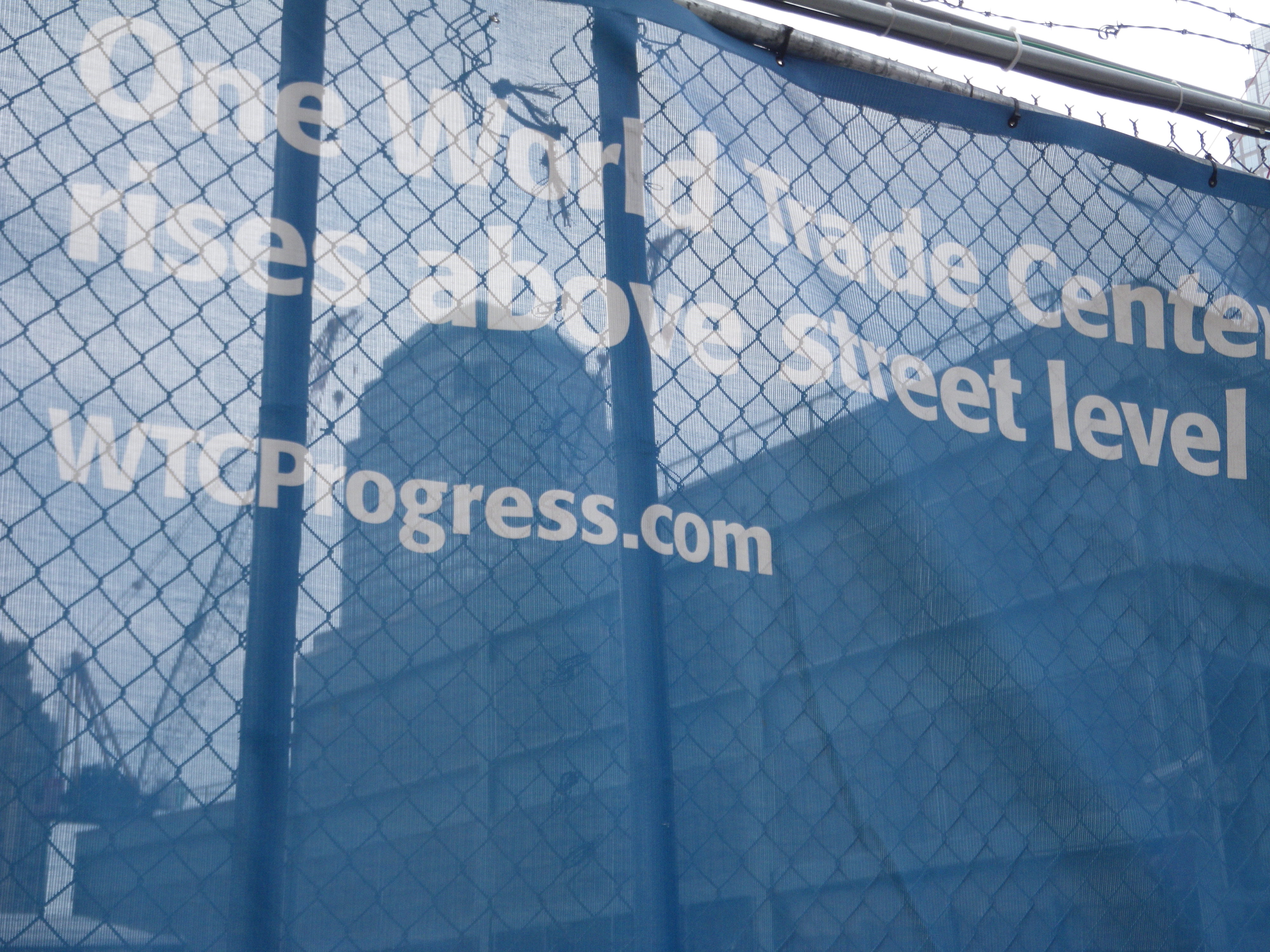
Morning sun was reflecting brightly off the water on the marshes of the meadowlands. Though part toxic industrial wasteland the marshes were home to countless species of birds. I loved this stretch of the commute to the city, the skeleton bridges’ dark structure against the luminous sky, silver glitter on tidal pools of water, herons fishing in dioxin contaminated estuaries, abandoned cars driven into the muck, parked utility trucks on well maintained dirt roads leading into nowhere, fast moving toy sized cars on elevated highways on the horizon, discarded metal scraps sticking out of the reeds like letters of a forgotten language, the wind caressing the rushes causing water like ripples, overhead electrical wires, seagulls circling in the lower skies, high voltage station feeding the catenary, finally the silhouette of the city and the new world trade center towers still rising in construction in the distance. Every time I was on the train I felt that the progression of scenes outside the window was like a silent movie on a screen of stray light. The meadowlands were beautiful, but against the lure of the silver light I remained aware that it was a poisonous landscape. I wondered how the herons survived here. I wondered if eventually our whole word would look like this.
Mount Hor
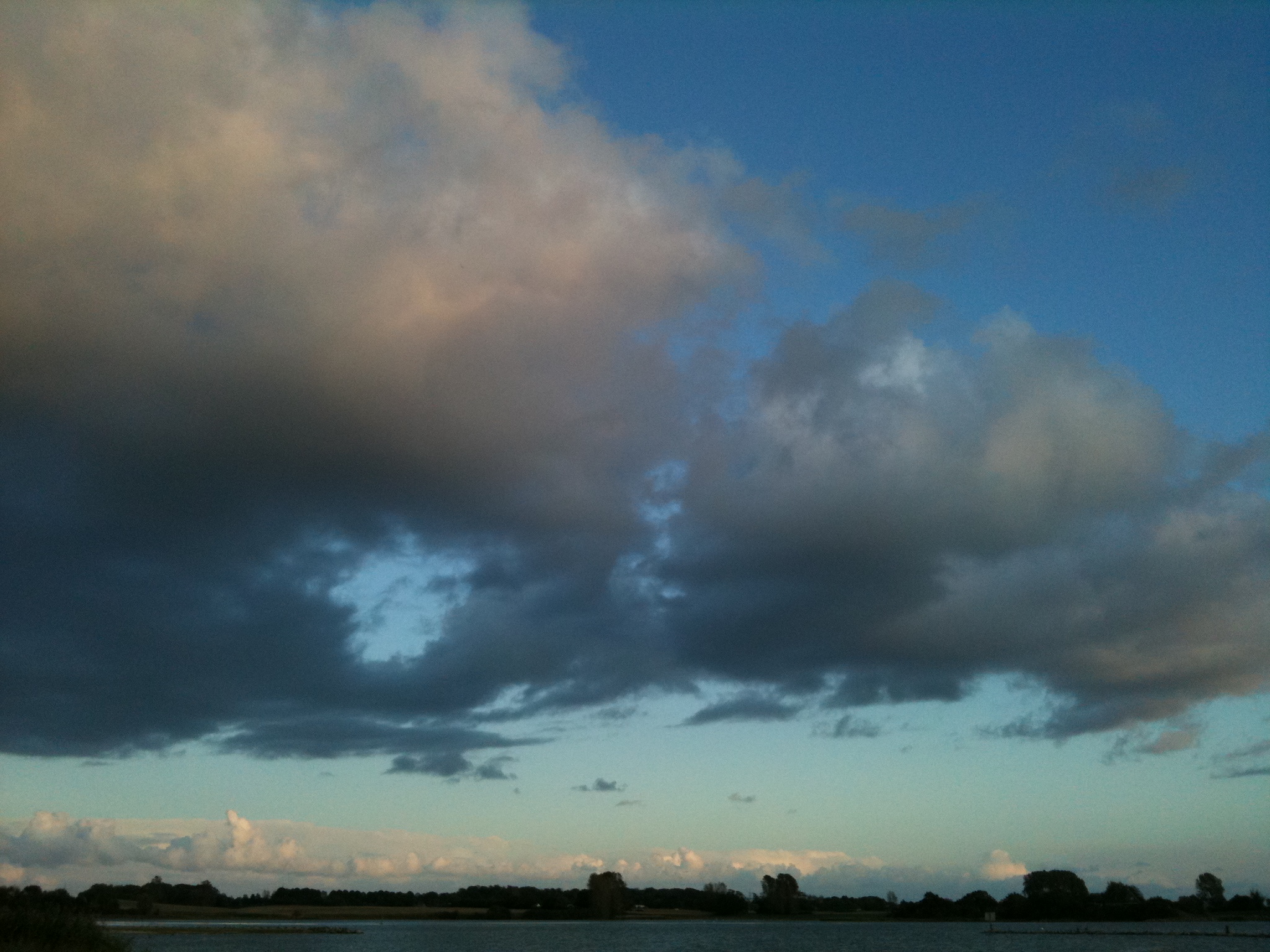 Lake Willoughby grated into plutonic rock by a deep glacier, is a 300 feet deep, water filled scar between two mountains with biblical names, Mount Hor to the West and the Eastern Mount Pisgah. If you stand on the North Shore of the lake, it actually has the appearance of a deep fjord, though there is no outlet to the sea. Instead there is said to be an underground aquifer connecting the basin of Lake Willoughby to that of another eerie body of water beyond Mount Hor, Crystal Lake.
In my dream the water acted like a mirror. The surface seemed to be like a sheet of glass of finest quality, separating the clearly visible underneath from the still world above, and the mirror image of this world like an incomprehensible fourth dimension in between both worlds. Again I saw the forms in the distance, gathering around precariously piled up, submerged boulders. Each winter these boulders avalanche down Mount Pisgah and roll into the lake to form the outline of an inaccessible stone city, creating an intricate mountainous terrain. I wondered how long it would take to fill the deep ravine of the lake with boulders and fleetingly thought of the old story about the small bird wearing away a mountain with his beak to mark the passing of the first second of eternity. In my dream I had this thought.
ocean-bound
Riding the train to the city I looked idly, almost blindly at the garbage that had collected at the side of the train track. Now that is something that you normally do not get to read in the tourist guides to New York and its vicinity.
As the train ran into Newark we passed a housing project that in 1972 was still fairly new and reeking of some warped idea about how people want to live. Even at 14 I wondered which architect had considered it likely that people would want to live stacked up by the dozen or that even if they wouldn’t choose to live like that but had no other choice than to accept it that at least this kind of home would allow them to still feel dignified and human.Passing the place by slowly rolling into the Newark I also routinely thought of the kids living there. Even back then I realized that their childhoods were eons away from my own – and yet neither they nor I had done anything to earn or deserve our respective places.
The people living in the project showed their disdain for their environment and the esteem they thought they were shown by that part of society that thought it convenient to stack them so they should not spread out so much by simply tossing out all of their garbage down from their balconies as if they were sailing on some ocean liner and were expecting to be separated from their litter by the sea-miles the boat would eventually put between them and their debris. Maybe they were right. As a matter of fact every couple of months the city of Newark sent up public works people to accomplish some provisionary clean-up. It would take the people living in the place but three days to reclaim the roof of the parking deck for the surreal landscape of garbage that would pile up like a contemporary piece of art. Every time I passed that particular project in the train from Summerville I marveled at the amount and variety of debris that the people had discarded like this. Toilet bowls, umbrellas, junk food containers, baby wipes, plastic bags filled with undisclosed content, baby carriages, lamps, pet cages, sofas, shoes, a broken guitar, a variety of clothing items including baseball caps. One jacket had caught on the fragile branches of a small wild tree that had dug its roots into the concrete and held on for dear life. Passing by that day I very much felt like that tree. The jacket kind of dressed it as a human and made it appear to be a malnourished yet utterly determined person. I liked the tree and hoped nobody would eventually label it as an overgrown weed and pull it out. I don’t even know whether the scrawny thing had any leaves in summer and yet it seemed to me a small encouraging sign that you can never bury the human spirit entirely under a heap of junk. I might have been sentimental but, for heaven’s sake, I was 14 and felt entitled a bit of sentimentality to endure the discovery of a less than perfect world that our parent generation had left us as our inheritance.
more glitches
My mother was in the kitchen as I had expected. I was a bit weary of talking to her but not much surprised that she was preparing pancakes again, pouring the dough out of the ladle just as I entered the kitchen as if she had been waiting for me to start her act. Again she poured the dough very carefully, so that each cake had exactly the same size. I wondered briefly whether yesterday’s pancakes were still in the fridge. “Hi, honey,” my mother greeted me with a surprisingly warm, unstudied voice. They were getting better at it, I thought, but why always pancakes? Most mothers try for some nutritional diversity let alone my mother who was not all that happy about our enthusiasm for waffles and pancakes which she called “empty carbs”. She normally tried to entice us to start the day with her own frog-slime-green home-made wheat grass juices instead or some unidentified grain and would only occasionally yield to our pleading for sweets for breakfast. I returned her greeting cautiously. “Morning, mom (I had to overcome a bit of reluctance to call the impostor “mom”). Pancakes again?” “But you love pancakes,” the mother impostor answered, very much like she had the day before. Again she also offered me a bowl of fruit salad that I accepted after some hesitation. I did not want to eat anything that had been prepared by a stand-in for my mother but I was ravenously hungry by now. I did not have much money left for my trip to the city and would not last the day without food. Spring grass green, orchid red and a lovely glowing pale orange mixed to an enticing advertisement of a fruit salad but the fruit tasted stale at best. Actually, I reconsidered, it tasted like nothing, not stale, not fresh, not like apple, not like orange, not like grapes. A dreamless nothing of a fruit salad. I finished it off none-the-less, staying hungry and craving more food. The stand-in-mother served the pancakes next, perfect, buttery light brown pancakes with a small lake of amber syrup on the side. I finished those off too, almost curious as to whether they would satisfy my hunger. They did not. The pancakes despite their delicious perfection dipped in dripping syrup were melting in my mouth without leaving the acid sugary taste I was craving. I also noticed that they had no temperature, they were not warm, they were not cold either. At best, they did not exist. After eating three pancakes I had been served I got up from the table just as hungry as before. This time however I walked over to the fruit bowl and took an apple. My mother looked at me dreamingly as if she didn’t know what to do next. The spatula in her right hand was raised as if she wanted to make a point and it remained like that. She was waiting. The program had a glitch. I waited a bit longer just to see how long it would last, it seemed that she was stuck, spatula extended. Finally I took pity on us both. It was almost fun to experiment with this creepy otherworld, but only almost. I had to find some humor in it or else I would have been lost with fright. “Bye now’” I addressed her finally, “got to rush.” “Bye, sweetheart,” she responded automatically, the spatula still raised. I turned away. I hoped she’d be released out of that pose or she’d be sure to have sore muscles later and she needed her arm for painting. I realized how ridiculous that thought was. I needed to stop thinking of her as a faulty program. But it was hard to. At least I felt pity rather than fear. Fear is paralyzing. I walked off towards school then changed direction to the train station.
Circus, fading
A parking lot and two blocks worth of retail place ankered around a Barnes and Nobles book store had replaced the industrial clutter of deserted flat brick buildings and weeds she had known like an internal landscape of suburban dread for all of high school. The place now had the mark of a new era of tidy franchised architecture, the clocks had been reset to zero and were running fast. Fifteen years count-down to decay, or to the day the last book would be printed, whichever came first. There was no emotional reaction to the replacement of her childhood environment with these exchangeable elements of retail culture. The fact that it was nearly impossible to tell whether she was in New Jersey or California actually felt kind of welcome, delaying the realization that she had indeed come back. She pulled into the parking lot next to a brand new looking silver Ford SUV with enough space to accommodate a mini baseball league team but most likely outfitted with only two child safety seats and DVD headrest monitors. It was still raining.
The muted green and white neon lights of the book franchise and a coffee store melted in the dark reflection of shallow puddles over new tar with the circus red lights of a franchise family restaurant branch. For a moment she could hear the animals restlessly pacing in their cages, but the impression faded quickly and made space for the mundane evening traffic of the mall. Families kept arriving to spend a Friday evening searching for a way to wile away some hours for the prize of coffee and a magazine. She held a door to a young mother pushing a stroller with a sleeping toddler. More families passed through the parallel doors, and for a moment the circus was back, forever lurking in her mind, waiting for just about any reason to manifest itself. People in anticipation of a spectacle streaming into the big top tent. She let go of the handle and followed a family with two young kids passing through the small foyer and the second set of doors that echoed the first. The father of the family dropped the door on her, she caught it with her shoulder without a moment of surprise. The whole family then stopped right in front of her to perform the incoming routine, willfully ignorant of whoever should be behind them. Kids immediately shedding their coats into their parents’ expecting hands and taking off towards the kids’ book section. Battery powered books, stuffed character animals and a wooden train table all well within kids’ reach had nationwide proven to be wildly popular with the preschool through elementary school set. The mother feebly called out some warnings and then both parents, strangers to each other now that the kids were gone, walked towards the café to satisfy their craving for caffeine and sugar to get them through the evening and were immediately lost in the crowd of customers stopping at sales tables long enough to scan the back of a book cover or to flip through a brightly illustrated volume of some sort.
 Art & Writing