Der Himmel über Berlin


Ich kam etwa zwei Stunden zu spät auf der Party an. Niemand hatte mich vermisst. Statt der üblichen Spende von Alkohol hatte ich zwei Männer zum Gelingen des Abends mitgebracht, die ich in der U-1 auf dem Weg hierher getroffen und kurzerhand überredet hatte, mich zu begleiten. Einer war ein Münchner namens Gregor, der kurz davor stand, sein Jurastudium abzubrechen und seine Wochenenden derzeit damit verbrachte, von einer Party zur nächsten zu driften.

Gregor wohnte zu seiner eigenen Verlegenheit in einer kleinen, für ihn erworbenen Eigentumswohnung seiner Eltern in Dahlem und war auf dem Weg nach Hause gewesen. Ich hatte ihn bereits seit einigen Wochen nicht mehr in der Uni gesehen. Ich mochte ihn. Er erwiderte mein Interesse nicht, aber wir gingen  gelegentlich zusammen ins Kino. Man konnte gut mit ihm reden, wenn er nüchtern war. Er war ziemlich belesen. Zuletzt hatten wir zusammen  „Brazil“ OmU von Terry Gilliam gesehen. Das war schon wieder einige Monate her. An diesem Abend in der U-Bahn waren Gregors Pupillen ziemlich schwarz und sein Blick etwas entfernt. Er hatte seinen Arm nachlässig um die Schultern seines Begleiters gelegt. Einer hielt den andern aufrecht, oder sie hielten sich doch jedenfalls abwechselnd in der Gegenwart, die dem jeweils anderen sichtbar entglitt.

Gregors Begleiter trug eine Baseballjacke mit der Aufschrift „Texas Rangers“ und schien ein großer Schweiger zu sein. Gregor hatte zwar wenig offenkundige Begeisterung für meinen Vorschlag, mich auf Melanies Party zu begleiten, aber auch ebensowenig Widerstand gezeigt. “What the hell”, hatte er gemurmelt, aber mit bayrischem Akzent. “Sure.” Und dann: “Why not.” Gregor hatte ein Austauschschuljahr in einer Kleinstadt in Michigan verbracht. Er liebte und verachtete alles Amerikanische. Sein Begleiter war vorübergehend eingenickt, sein Kopf rollte mit den Bewegungen der U-Bahn sacht und vollkommen entspannt über seine Brust, aber Gregor schien davon auszugehen, dass wir die Zustimmung des Texas Rangers nicht brauchten.  Great.

Während der Ranger schlief, erzählte ich Gregor von dem Vortrag des Feinstrickpullis und selbsternannten Experten für nukleare Sicherheitsfragen vom Vormittag, den ich jetzt nur noch  „General „Buck“ Turgidson“ nannte, und den wir beide, Gregor und ich, schon im Zivilleben, als reiner Pulli, nicht gut hatten ertragen konnten, weil an dem Mann kein einziger originärer Gedanke zu entdecken war, er aber ununterbrochen aus zusammengebastelten Gedanken dozierte. Man konnte ihm nicht aus dem Weg gehen, er war gut darin, sich strategisch geeignete Plätze in der Wandelhalle zu suchen, bevor er mit seinen Vorträgen begann, wie ein Startenor, dem es darum geht, mit dem Klang seiner Stimme wirklich alle zu erreichen und zu beglücken. Er galt als ungemein klug. 

Ich dachte, ich könnte Gregor ein wenig aufmuntern, indem ich ihm eine kleine Impromptu-Performance der Szene in der Wandelhalle mit der Referenz aus Dr. Strangelove gab, die mir spontan in den Sinn gekommen war, Derartiges gefiel Gregor jedenfalls in nüchternem Zustand. Überhaupt gefiel ihm alles, was mit Film zusammenhing. Pasolini. Fellini. Gilliam. Zwischen Oktober 1985 und Mai 1986 hatte ich Dr. Strangelove in drei verschiedenen Kinos gesehen, zweimal davon mit Gregor.

Ich imitierte den General, aber nahm die typische, leicht bogenförmige Körperhaltung des Feinstrickpullies ein: „Mr. President, we are rapidly approaching a moment of truth both for ourselves as human beings and for the life of our nation. Now, truth is not always a pleasant thing. But it is necessary now to make a choice, to choose between two admittedly regrettable, but nevertheless *distinguishable*, postwar environments: one where you got twenty million people killed, and the other where you got a hundred and fifty million people killed.“ 

Ich gab eine überzeugende Darstellung, fand ich. Der Schweiger wachte auf, aber Gregor versäumte leider seinen Einsatz als President Merkin Muffley: „You’re talking about mass murder, General, not war!“ Der Schweiger betrachtete mich ausgiebig über den Gang hinweg, als sähe er mich jetzt zum ersten Mal, seine Augen wanderten über mich wie über eine unbelebte Oberfläche unbekannten Ursprungs und blieben mit mit einer etwas verstörenden Aufmerksamkeit  an den Details hängen, an meiner Nase, meinen Lippen, meinen Ohrringen, den Knöpfen meiner Jacke. Die methodische Weise, mit der er dabei vorging, gab mir das Gefühl, wie ein seltenes Insekt studiert zu werden. Die beiden waren offenbar auf demselben Trip. Ich ließ es gut sein und summte wieder „Try a little tenderness“. Ich war so angespannt, dass meine Haut kribbelte. 

Als wir am Studentenwohnheim Dahlemdorf, Gebäude 6, angekommen waren, folgten wir einfach der Musik, die durch das Treppenhaus geblasen wurde. Auf dem Weg von der U-Bahn hierher hatte sich herausgestellt, dass der Typ in der Baseballjacke tatsächlich ein Amerikaner aus Texas war. Gregor hatte mir anvertraut, dass er sich nicht erinnern konnte, wo er ihn aufgelesen hatte. Im Augenblick wirkte Gregor plötzlich recht nüchtern. Ich bedauerte wieder einmal, dass er nicht weiter studieren wollte. Es schien eine Verschwendung, dass einer wie Gregor sich plötzlich gegen das Studium entschied, das mehr Leute wie ihn und weniger vom Typ Feinstrickpulli gut vertragen hätte. Ich war überzeugt, dass er das Zeug zu einem guten Juristen hatte. Er hatte seine Klausuren mit einer gewissen nachlässigen Eleganz und ohne viel Aufsehens davon zu machen, sofort im zweistelligen Bereich geschrieben. Sein Vater war ein bekannter Richter in München, aber damit ging Gregor nicht hausieren. Ich vermutete,  Gregor wollte nicht wie sein Vater werden.

Im Treppenhaus des Studentenwohnheims kamen uns Leute entgegen, die bereits auf dem Weg zur nächsten Party waren und uns im Vorbeigehen aufforderten, uns ihnen anzuschließen. Der Amerikaner strahlte und folgte ihnen wie ein Hündchen , dem man einen neuen Stock geworfen hatte, nur um sich ebenso plötzlich doch anders zu besinnen und uns – oder jedenfalls Gregor – erneut hinterher zu stürmen, zwei Stufen auf einmal nehmend. Er  schob sich gleichzeitig mit uns durch die offene Wohnungstür. „Here we are,  here we are“, rief er in den Raum und fuchtelte mit seinem rechten Arm, als lehne er sich aus einem einfahrenden Zug. Ein paar Leute lachten. Gregor und ich grinsten einander an. Der Amerikaner machte sich ohne Zögern auf die Suche nach einem Bier.

Die Leute waren erwartungsgemäß überwiegend bereits ziemlich betrunken oder bekifft. Toni, der heute morgen in der Strafrechtsvorlesung neben mir gesessen hatte, hatte es irgendwie geschafft, sich auf ein Glas oder eine auf eine  Flasche auf dem Couchtisch zu setzen, die prompt unter seinem Gewicht zerbrochen war, und ließ sich gerade im WC bei aus Platzgründen geöffneter Tür von zwei Medizinstudenten die Splitter aus dem Hintern ziehen. Dafür hing er halb ohnmächtig über dem geschlossenen Klodeckel. Jemand erzählte, dass die Mediziner auf die Idee gekommen waren, die Schnittwunden mit Wodka zu desinfizieren. Toni selbst war so betrunken, dass weitere Maßnahmen zur Betäubung nicht erforderlich waren.

Von dem Couchtisch führte eine Blutspur  über das Linoleum bis ins Bad. Die Scherben auf dem Tisch waren aber erstaunlicher Weise fortgeräumt worden. Die Party ging weiter. “Der muss genäht werden”, rief einer der Mediziner aus dem Bad. “Das blutet ja wie Sau. Wer bringt den jetzt ins Krankenhaus?” 

“Zu mir kommt der nicht ins Auto”, antwortete ein anderer unvorsichtiger Weise im Vorübergehen, “der versaut mir die Polster.” Ah, Philipp. Unkluge Bemerkung. Die Mediziner schleppten Toni aus dem Bad zurück ins Zimmer und deponierten ihn vorübergehend bäuchlings jetzt zwischen Sofa und Couchtisch auf dem Linoleum. Dann nahmen sie Philipp ins Kreuzfeuer, der immer wieder den Kopf schüttelte. Die Jungs hatten Tonis Jeans wieder hochgezogen, aber der Hosenboden war zerschnitten und blutgetränkt. “Das sieht echt scheiße aus”, stellte ein dritter Mediziner fachkundig fest, den können wir hier doch nicht so liegen lassen. Philipp geriet zunehmend unter Druck, aber leistete noch Widerstand. Der Mann liebte sein Auto. 

Der Amerikaner stand ebenfalls mit einer Bierflasche in der Hand über den Couchtisch hinweg über Tonis Hintern gebeugt und begutachtete ihn ebenso konzentriert wie er vorhin in der U-Bahn mein Gesicht betrachtet hatte. Dann richtete er sich auf und sagte begeistert: „This guy busted his ass“, als sei dies eine unglaubliche Entdeckung. Er hatte Spass in Berlin, das konnte man deutlich sehen. Er richtete sich auf, brauchte einige Augenblicke, um sich wieder im Raum zu orientieren, und schob sich zurück in die Küche, um sich ein neues Bier zu holen.

Die Mediziner bearbeiteten Philipp weiter. Schließlich würden sie eines Tages das Genfer Gelöbnis ablegen. Sie waren entschlossen, Toni zu retten. Vielleicht hatten sie es aber auch nur mit der Angst zu tun bekommen, nachdem ihre Wodka-OP nur zu einer Verstärkung der Blutung geführt hatte. Schließlich gab Philipp auf, holte seine Pilotenjacke und zog die Schlüssel für seinen Golf GTI aus der Hosentasche. Ich war sicher, dass ihm das Herz mindestens ebenso blutete wie Tonis Hintern.

Die Mediziner holten ein Handtuch aus dem Bad und eine Aldi-Plastiktüte aus der Küche, um Philipps Polster zu schützen und zogen Toni  mit einiger Mühe vom Boden hoch. Philipp ging fluchend voran und die beiden Medizinstudenten folgten mit Toni, indem sie sich jeder jeweils einen seiner Arme um den Hals schlangen. Toni hing zwischen ihnen und schritt teils wie eine Marionette mit hölzernen Schritten mit, teils wurde er von seinen Samaritern über den Boden geschleift. Er verlor mit jedem Schritt Blut aus dem Hosenbein und trug ein Grinsen im Gesicht, das irgendwo zwischen Schmerz und Heldentum eingefroren war. Ich fragte mich, ob er sich morgen daran erinnern würde, wie er zu seinen Verletzungen gekommen war. Heute Mittag hatte er traurig in den strahlenden Himmel geblickt und dann festgestellt, dass es jetzt Zeit zum Feiern sei. Wenn die Welt schon vor die Hunde ginge, müsse man feiern, verdammt.

Melanie,  die Gastgeberin, die einen spektakulär flauschigen, engen roten Pullover trug, tanzte von allem und allen unberührt, vollkommen in sich selbst versunken in der Mitte des Raums, verfolgt von den trägen Blicken mehrerer Typen, die  an den Wänden am Boden saßen, aber zu bekifft oder zu betrunken waren, ihre offensichtlichen Gedanken in Taten umzusetzen. Es stellte sich heraus, dass es sich  bei der Party um Melanies Geburtsparty handelte. Ich bereute, dass ich gekommen war. Der Umstand, dass dies eine Geburtstagsfeier sein sollte, machte den Tag noch bedrückender. Meistens vermied ich Parties, für die eine Generaleinladung durch die Wandelhalle ging. Die Alkoholexzesse der Juristen und der Mediziner auf solchen Parties, für die eigentlich niemand so richtig zuständig, auf die niemand wirklich persönlich eingeladen war, nicht einmal die Leute, die es waren, waren Legende, aber ich hatte den Abend nicht allein verbringen wollen. Ich hatte vor allem nicht weiter über den strahlenden Himmel nachdenken wollen.

Über den Mangel eines Geschenks für die Gastgeberin brauchte ich mir allerdings keine Gedanken zu machen, denn Melanie, mit der ich übrigens nur sehr lose bekannt war, befand sich in einer anderen Sphäre, in welcher nur sie, der Kuschelpullover und ihre seltsam fließenden Bewegungen existierten. 

Die Leute, die das Zimmer durchquerten, gingen um sie herum wie um ein Möbelstück. Ihre beste Freundin  Rebecca saß auf dem Sofa, vor dem gerade noch Toni gelegen hatte, hielt ein Glas Weißwein in der Hand und war tief in ein Gespräch mit einem hübschen Philosophiestudenten versunken, der dafür bekannt war, auf Juristen- und Medizinerparties aufzutauchen und die Mädchen mit seinen  rehbraunen Augen ernsthaft anzublicken, ihnen nachdenklich zuzuhören und gelegentlich, tatsächlich ziemlich gekonnt, unaufdringlich Kommentare wie „Kants Imperativ“  oder “Es gibt kein wahres Leben im Falschen” in die Unterhaltung einzuflechten.

Die Juristen und Medizinerfachbereiche zogen vorwiegend Männer an, die sich gerne selber reden hörten und Frauen, die dieser Monologe zwar müde waren, aber nicht so müde, als dass sie die feministischen Positionen ihrer Müttergeneration auszuprobieren gewillt waren. Manche kamen überdies aus überzeugt bürgerlichen Elternhäusern, andere simulierten eine solche Herkunft recht überzeugend. Der Philosophiestudent nahm sich gekonnt des emotionalen Bedarfs der in ihrer eigenen Inertia von ihren Kommilitonen unterschätzten und zugleich intellektuell unterversorgten Studentinnen der fremden Fachbereiche an.

Erst im zweiten Stadium der Eroberung wurde der schöne Philosoph beredter und schöpfte aus einem (wie ich  zu anderer Gelegenheit  aus erster Hand in Erfahrung hatte bringen können) durchaus begrenzten Repertoire an literarischen und philosophischen Zitaten. Dann sprach er mit großer Ernsthaftigkeit und fein zurückhaltender Leidenschaft: „Wenn mir etwas von Hegel und denen, die ihn auf die Füße stellten, in Fleisch und Blut übergegangen ist, dann ist es die Askese gegen die unvermittelte Aussage des Positiven; wahrhaft eine Askese, glauben Sie mir, denn meiner Natur läge das Andere, der fessellose Ausdruck der Hoffnung, viel näher.“ Auf den bewundernden Blick seiner Gesprächspartnerin, der dieser Offenbarung folgte, gab er bescheiden seine Quelle preis: „Adorno natürlich. Aus dem Briefwechsel mit Thomas Mann. Aber besser kann man es nicht zu sagen.“

Das Zitat probierte er auch an Rebecca aus, es war einfach zu schön, um lange ungenutzt im Archiv zu stecken. Ich dachte: „Und  das, wovon man nicht sprechen kann, darüber muss man schweigen. Wittgenstein.“ Aber ich gönnte ihm seinen Erfolg; er arbeitete redlich dafür. Und die Begrenztheit seines Repertoires störte nicht, denn er fand immer wieder eine neue Zuhörerin. Ich hatte noch nie eine Klage über den schönen Philosophen gehört.

Von Zeit zu Zeit sah Rebecca zu Melanie hinüber, die weiter vor sich hin tanzte wie eine kaputte Puppe. Ob sie sich von dem Philosophen losreißen würde, um Melanie zu retten, wenn sich ihr jemand in ihrem trunkenen Zustand nähern sollte?  Ich versuchte noch einmal zu erinnern, wer mich eigentlich zu der Party eingeladen hatte. Wahrscheinlich war es Toni gewesen. Hatte er erwähnt, dass es sich um Melanies Geburtstag handelte?  Ich konnte mich nicht entsinnen. Ich war in den letzten Tagen abgelenkt, nahm nur ausschnittsweise am Geschehen teil. Der strahlende Himmel beschäftigte mich. Verdammt. Ich gab das Nachdenken auf, holte ich mir ein sauberes Glas aus dem Küchenschrank und öffnete eine unangebrochene Flasche Cola mit einem Zisch und schenkte mir ein. Dann stellte ich mich zu einer Gruppe von Leuten, die offenbar noch nüchtern genug waren, um miteinander zu reden, unter ihnen Gregor. 

Das Gespräch handelte zunächst vom Wetter, davon, wann der Regen kommen würde, und  schließlich, ohne rechten Zusammenhang davon, dass Westberlin sowieso eine Fiktion war. “Westberlin ist eine Fiktion, verdammt”, sagte Gregor mehrmals, “eine verdammte Fiktion”. Ich sah aus dem Fenster in den samtblauen, leuchtenden Nachhimmel hinter den gedämpften Partylichtern, die sich in der Scheibe spiegelten. Unsere Gestalten reflektierten sich in der Glasscheibe wie transparente Schatten von morgen.

Einer der Studenten, kein Jurist, war als Statist bei den Filmarbeiten zu Wim Wenders „Himmel über Berlin“ engagiert worden, und erzählte davon, dass er Peter Falk getroffen habe. Nun ja, beinahe getroffen. Eher ihn einmal im Vorbeigehen gesehen, also fast neben ihm gestanden hatte. Das ist ein cooler Typ, trotz seines Alters, schwärmte er. Gregor hing an seinen Lippen. „Nimmst Du mich das nächste Mal mit, fragte er den Statisten, wann gehst Du wieder hin? Suchen sie noch Statisten?”

Aber der Statist fühlte sich zwischen dem Stolz, dass seine Geschichte auf fruchtbaren Boden gefallen war, und der Anmaßung, dass Gregor dachte, er könne auch ohne weiteres als Statist ausgewählt werden, als sei das nichts Besonderes, als habe Peter Falk ihn , den Erzähler, nicht beinahe persönlich ausgesucht, weil er ein solches Charaktergesicht hatte, hin- und hergerissen. “Das geht nicht so einfach, wie Du Dir das denkst”, erwiderte er. “Da muss man sich erst einmal einfühlen, in die Zeit, verstehst du, da musst Du echt erst ein feeling dafür kriegen.” Aber ich sah Gregor schon an, dass er auf jeden Fall gehen würde. Er war jetzt ganz nüchtern und konzentriert.

Ich sah aus dem Fenster in den samtblauen, leuchtenden Nachhimmel hinter den gedämpften Partylichtern, die sich in der Scheibe spiegelten. Unsere Gestalten reflektierten sich in der Glasscheibe wie transparente Schatten von morgen. Wir waren schon heute unsere eigene Vergangenheit. Wann würde der Regen kommen? Machte es überhaupt einen Unterschied, ob eine nukleare Staubwolke in 10.000 Metern Höhe über uns hinwegzog, oder der atomare Staub hinabgewaschen werden würde? Und so lange es nicht regnete, machte es einen Unterschied, ob man sich in einem Gebäude oder draußen aufhielt? In der Scheibe redete ein anderer Gregor stumm auf einen anderen Statisten ein, eine andere Melanie tanzte in einem roten Pullover, obwohl dort, in dem parallelen Universum, keine Musik spielte, und die schemenhafte Gestalt, die ich selbst sein musste, mit dem hoch gebundenen Pferdeschwanz, immer noch in meiner Jacke, mit einem Glas Cola in der Hand, zwinkerte mir aus der Parallelwelt zu, als sei sie in ein anderes Buch aus Borges Bibliothek geschrieben, und der Himmel über Berlin in ihrer Stadt roch bereits nach Staub und Sommerregen. Und das war kein Anlass zum Fürchten. In ihrer Welt.
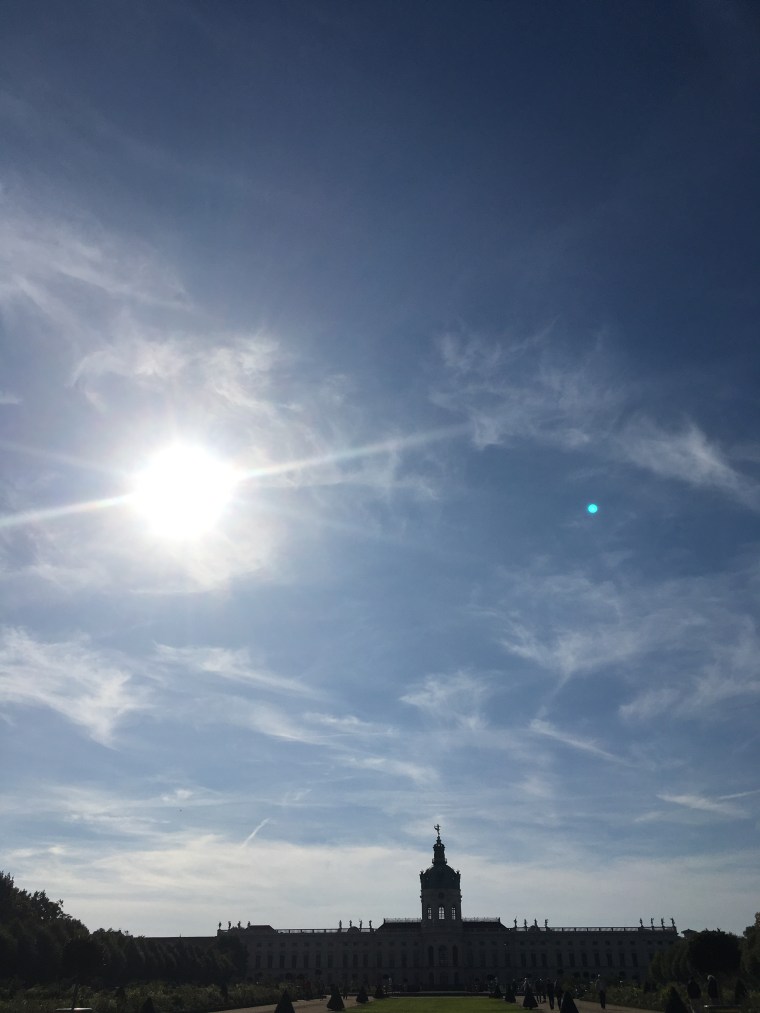

 

Ein strahlender Tag

IMG_1676

Der 2. Mai 1986, ein Freitag, war  in mehrfacher Hinsicht ein strahlender Tag in West- und in Ostberlin. Der Himmel war  strahlend tiefblau,  absolut wolkenlos. Am Morgen  dieses Tages wippte ich auf meinem Klappstuhl im Auditorium Maximum im Henry Ford Bau der Freien Universität Berlin, balancierte einen linierten Schreibblock auf den Knien und zeichnete mit einem sehr feinen schwarzen Filzstift (0,05-Spitze, Edding) in die Marginalien meiner Notizen, während ich der Strafrechtsvorlesung Prof. Dr. Hermann Bleis mit relativer Aufmerksamkeit folgte. Die Figuren, welche die Ränder meines Heftes bevölkerten, waren in Zillemanier ausgeführt und erfreuten auch meine Sitznachbarn, die von Zeit zu Zeit hinüber spähten und unterdrückt lachten. 

Die Vorlesung gab mir ausreichend Anregung zu meinen  karikaturistischen Zeichnungen. Prof. Blei bevölkerte seine Fälle mit misogynen Charakteren, an denen wir die Grundzüge des Strafrechts deklinieren lernen sollten. Der Prof. war ein bayrisches Urgestein, er dozierte nicht, er polterte. Die von ihm gebildeten Lehrfälle zeugten von einer unapologetischen Altherrenphantasie. Hier traf ein Zuhälter namens Himmelsstoss auf einen Gynäkologen  namens Prof. Dr. Frauenfeind, ein Zahnarzt trug den inspirierten Namen Dr. Deflorian. Der anzügliche Ton setzte sich bei den Frauennamen fort, hier agierten in unheilvoller und unappetitlicher Manier die Witwe Wüst und ihre Freundin, die Prostituierte Freudenreich, ihre kriminellen Neigungen an unschuldigen, schwächlichen Männern aus. Letztere wurden auch von einem Filmstar namens Busoni übervorteilt oder von diversen Ehefrauen zurechtgestutzt, welche sich Frau Emanz, Frau Freudlos oder Frau Unwirsch nannten. Deren – dem Personenstand naturgemäß freudlos – vermählten Ehemänner hießen Herr Sündermann, Herr Lüderjahn und August Geil. 

Für Prof. Blei gab es, dies schien die eigentliche Essenz dieser Fälle, nur drei Motive für jegliches Verbrechen, drei Motive, an denen wir Diebstahl, Betrug, Raub, Körperverletzung, Totschlag und Mord in allen qualifizierenden Varianten messen sollten, drei Motive, die für ihn offenbar das  gesamte übrige Leben, das strafrechtlich nicht relevante Menschengewimmel, umfassend und abschließend zu erklären vermochten. Geilheit, Geldgier. und Dummheit.  In beliebiger Reihenfolge. Die Fallbeispiele zum untauglichen Versuch, zum Irrtum über Rechtfertigungsgründe oder zum dolus directus und dolus eventualis, die dies veranschaulichen sollten, und welche ich in den Marginalien der Notizen zu seinen Vorlesungen illustrierte, waren in ihrer konstruierten stereotypen Abstraktion wie versteinerte Weltentheater in Streichholzschachteln. 

Prof. Blei, korpulent, Halbglatze, Hornbrille, war unter den Studenten und Studentinnen bekannt wie ein bunter Hund. Sein Ruf eilte ihn voraus und er arbeitete gewissenhaft und erfolgreich daran, ihn zu erhalten. Kommilitoninnen, die offensichtlich politisch engagierter waren als ich, und die sich über Prof. Blei (aber niemals, soweit ich erinnere, ihm persönlich gegenüber) letztlich zu Recht empörten und „Konsequenzen“ forderten, hielt ich entgegen, ich sei der Auffassung, man solle ihn doch vielmehr unter Denkmalschutz stellen und gewähren lassen. Soviel zur feministischen Solidarität. Der Prof. sei, so argumentierte ich und kam mir dabei geistreich vor, der Letzte einer aussterbenden Art, die neue Zeit stehe schon vor den Türen, und das könne und müsse gegenüber einem Fossil vergangener Tage wohl in gewisser Weise mild und versöhnlich stimmen. Nach Prof. Blei würden dann, das müsse uns klar sein,  nur noch solche kommen, die ihren Misogynie wesentlich besser zu verkleiden verstehen würden. Mit Letzterem sollte ich Recht behalten. 

Zwar gab es auch 1986 noch andere Profs, welche den Frauen in ihren Lehrfällen Namen wie „Berta Bummske (im folgenden: B)“ gaben, aber keinem von diesen gelang es wie Prof. Blei, auch seinen Kritikern wenn schon keinen Respekt, so doch jedenfalls von Zeit zu Zeit ein unwillkürliches Grinsen abzuringen. Das hatte weniger mit der Namensgebung in seinen Lehrfällen und seiner gesellschaftspolitischen Einstellung zu tun, als vielmehr mit seinem Gesamtauftreten,  das aus einem Guss war. Der Mann war ein wandelndes Kuriositätenkabinett, in seiner Menschen- und Frauenverachtung eine Art spezialisierter, überzeichneter Kästner, kurz: ein Gesamtkunstwerk. 

Die ZEIT hatte in einem im  juristischen Fachbereich wohlbekannten Artikel zwei Jahre zuvor Bleis „Kuriositäten“ als „aggressive, unangenehme Überschreitungen des üblichen juristischen Schenkelklopf-Humors“ bezeichnet.  Und doch: hier stand er vor uns, und fabulierte und dozierte mit unverminderten Geschmack an der Grenzüberschreitung weiter. Den änderte keiner mehr, keine Studentenkritik, die ihm die Fantasie eines dilettierenden Pornoschreibers in einer Fachpublikation attestiert hatte, keine Artikel in der ZEIT, auch nicht die Distanz feingeistiger Kollegen. 

Nicht diese Überschreitung, der mehr menschen- als allein frauenverachtende, aus dem Ruder gelaufene Kalauer, aber diese polternde Unbeirrbarkeit, unterhielten mich insgeheim. Den Mann zu mögen, war ein früher Fall von political Uncorrectness, dessen war ich mir bewusst. Ich hörte dem Urgestein angeregt zu, amüsierte mich und zeichnete. Ich war ziemlich gut in strafrechtlicher Dogmatik. Prof. Blei konnte man ohne weiteres zwei Stunden zuhören, nicht nur wegen seiner bayrischen Farbigkeit und ungezügelten Lust am Schlüpfrigen. Er war, so schien es, gern im Hörsaal, das traf nicht auf alle unsere Dozenten und Professoren zu. Prof. Blei, trotz politisch kontroverser Positionen, konnte Recht unterrichten. 

Wir saßen im Audimax, zwanzig Jahre zuvor das Zentrum der Berliner Studentenproteste. Die Achtundsechziger Studentenbewegung und ihre politischen Unruhen und Verwerfungen war ein Werk unserer Eltern, ihre Proteste in unseren Augen Diskussionen von gestern, derer wir müde waren. An der Universität Berlin herrschte jedenfalls unter den Studierenden der Rechtswissenschaft wieder beflissene, neutrale Strebsamkeit. Wir trugen blaue Rollkragenpullover und Perlenohrringe, und lächelten über Socken in Birkenstocksandalen. 

Dabei war Berlin war immer noch geteilt. Der Kalte Krieg dauerte an und wir waren mittendrin und nach zwanzig Jahren politischen Aufbegehrens unserer Eltern weitgehend ahnungslos. Der NATO-Doppelbeschluss, welcher die Aufstellung neuer mit Atomsprengköpfen bestückter Raketen und Marschflugkörper – Pershing II und BGM-109 Tomahawk – in Westeuropa vorsah, war trotz massiver Proteste der Bevölkerung nicht verhindert worden, und wir interessierten uns nicht weiter dafür. Joseph Beuys war im Januar desselben Jahres gestorben und mit ihm schien der letzte Wille zur leidenschaftlichen politischen Aktion endgültig zu Grabe getragen worden sein. Sein letztes Urteil über die Grünen: stinklangweilig!, beschrieb auch die neue Generation Studierender der FU. 

Wir waren stinklangweilig. Politik wurde wieder  in Bonn gemacht und wir mischten uns nicht ein. Auch an jedem strahlenden Morgen im Februar, pilgerten wir brav in unsere Vorlesungen, um zu erfahren, wie das Verhalten von August Geil gegenüber Berta Bummske strafrechtlich zu beurteilen sei. Ich saß in Prof. Bleis Vorlesung, zeichnete, ignorierte den strahlenden Himmel und tat so, als lebten wir nicht in einer Welt am Abgrund. 

Nach der Vorlesung war es fast Mittagszeit. Studenten strömten aus den Vorlesungssälen  des Henry-Ford-Baus Richtung Cafeteria im Hauptgebäude des Fachbereichs in der Van´t Hoff-Straße. Es war warm an diesem Maitag, und vereinzelt ließen sich Studenten wie gewohnt auf den Rasenflächen zwischen den Fachbereichsgebäuden nieder, aber die meisten mieden den verlängerten Aufenthalt im Freien und suchten zügig das Lehrgebäude in der Van´t Hoff-Straße auf.

Ich passte mein Tempo dem Strom von Studenten an, die zur Van-t-Hoff-Straße hinüberliefen,  diesem seltsamen trägen Tempo der Masse, das auf einer universellen Trägheit beruht. Im Fachbereich leerte ich mein Schließfach und setzte mich auf eine Bank in der Wandelhalle, um meinen  Schreibblock und meinen ziegelsteinschweren Schönfelder, eine fette Loseblattsammlung Deutscher Gesetze, in meiner Tasche zu verstauen. Ich wollte in nicht in der U-Bahn auf den ersten Blick als Jurastudentin erkennbar sein. 

Um mich herum standen Studenten in kleinen Gruppen, die das neue Vokabular der letzten Tage aneinander ausprobierten und über leicht flüchtige Isotope, Jod-131, Cäsium-137 und Strontium-90 diskutierten, als wären wir an der TU bei den Physikern. Niemand hier wusste, was diese Vokabeln tatsächlich bedeuteten. Vor vier Tagen, am 28. April, war in dem schwedischen Kernkraftwerk Forsmark aufgrund alarmierender radioaktiver Messungen Alarm ausgelöst worden. Zu diesem Zeitpunkt hatte sich die radioaktive Wolke, welche sich über dem sowjetischen Kernkraftwerk Wladimir Iljitsch Lenin nahe der ukrainischen Stadt Prypjat nach einem offenbar katastrophalen nuklearen Unfall gebildet hatte, bereits über Polen und die baltischen Länder Richtung Skandinavien bewegt. Ebenfalls am 28. April hatte die sowjetische Nachrichtenagentur TASS erstmals kurz von einem „Zwischenfall“ beim Betrieb des Kernkraftwerks Tschernobyl, zwei ganze Tage zuvor, nämlich am 26. April, berichtet. Zu dieser Zeit hatte der „Zwischenfall“ wahrscheinlich bereits eine Aktivität von mehreren Trillionen Becquerel freigesetzt.

Der Himmel über Berlin strahlte. In den Medien herrschte milde bis ausgedehnte Desinformation, die in erster Linie der Beschwichtigung diente. Der Berliner Bürgermeister Diepgen ging persönlich Gemüse und Salat einkaufen, und ich überlegte, ob ich die Einladung zu einer Party im Studentendorf Dahlem an diesem Abend annehmen sollte. Der Himmel strahlte, aber für die nächste Woche war Regen vorhergesagt, welche den radioaktiven Staub in die Stadt hinunterwaschen würde. Zuvor aber ein sommerlich warmes Wochenende. 

Das tröstliche Wort „Zwischenfall“, übersetzt aus der kargen Meldung der Sowjets und aufgegriffen von deutschen Politikern und Nachrichtensprechern konkurrierte in den Diskussionen in der juristischen Wandelhalle mit dem weniger tröstlichen Begriff Wort Super-GAU, ebenfalls neu in unserem Vokabular.  

Das sei alles nicht so wild, kein Grund zur Panikmache, dozierte ein blauer V-Ausschnitt  über gestärktem Hemdkragen, drittes Semester. Zwischenfälle in AKWs seien im Szenario auslegungsüberschreitender Störfälle bereits vorhergesehen und es gäbe gute Notfallpläne. Er werde in nächster Zeit einfach nicht so viel frisches Zeugs essen. Unfälle seien bei der Auslegung kerntechnischer Anlagen und Prüfung der kerntechnischen Zulassung bereits anzunehmen, dies sei doch glasklar. 

Ich starre kurz hinüber. Die Selbstsicherheit, mit der der blaue Feinstrick-Pullover dies vorträgt, ist verblüffend. Innerhalb von vier Tagen ist er zum Experten für die nukleare Sicherheit in West-Deutschland und zu seinem eigenen Propagandaministerium avanciert. Er legt  seinen Zuhörern eindringlich dar, warum wir hier, in Westdeutschland und in Westberlin sicher sind, wir haben die Gesellschaft für Anlagen- und Reaktorsicherheit (GRS), eine technisch-wissenschaftliche Forschungs- und Sachverständigenorganisation mit rund 450 Mitarbeitern, davon mehr als 350 Wissenschaftlern. Deren Hauptaufgabe bestehe darin, die Sicherheit technischer Anlagen zu bewerten und zu verbessern und den Schutz von Mensch und Umwelt vor Gefahren und Risiken solcher Anlagen weiterzuentwickeln. 

Wie ein Echo zu seinen Worten höre ich General „Buck“ Turgidson aus Dr. Strangelove: „The Russkie talks big, but frankly, we think he’s short of know how. I mean, you just can’t expect a bunch of ignorant peons to understand a machine like some of our boys.“ 

Der Feinstrickpulli fügt nicht explizit hinzu, dass nukleare Strahlung sich auf den Kompetenzbereich der jeweils zuständigen Behörden beschränkt und an der Berliner Mauer geflissentlich und gehorsam kehrmacht, aber das ist die Essenz seiner Rede. Also, kein Anlass zur Sorge. Wenn ich mich auf der Party an den Rotwein halte, von denen manche meinen, dass er vor der Strahlenkrankheit schütze, und mich vom Salat fernhalte, bin ich auf der sicheren Seite. Jedenfalls bis der Regen kommt. Ich beschließe, auf die Party zu gehen, auch wenn ich keinen Rotwein mag.

Dennoch bin ich für einen Augenblick versucht, den Pulli nach der  Van-’t-Hoff-Gleichung aus der Thermodynamik zu fragen, die den Zusammenhang zwischen der Lage des Gleichgewichts einer chemischen Reaktion und der Temperatur bei konstantem Druck beschreibt. Das sollte für den frischgebackenen naturwissenschaftlichen Experten eine einfache Frage sein, da unser Fachbereich seine Postadresse in der Van-Hoff-Straße hat, und würde ihm erlauben, sein Allgemeinwissen ebenso glänzend auszuführen wie sein neues naturwissenschaftliches Vokabular, das offenbar aus der Berliner Morgenpost stammt. Er wäre mir sicher sehr dankbar für die Gelegenheit. Ich entscheide mich dagegen, schlinge mir meine Ledertasche um die Schultern und spaziere zum Ausgang, während ich „Try a little tenderness“ aus Dr. Strangelove vor mich hinsumme.

Shadow body

IMG_5754Eventually Scully´s door opened, too. He pushed his heavy frame out of the car and slammed the door causing a few sea gulls to swoop up in unison and to quickly synchronize their flight. I watched them enviously not so much for their ability to fly but for their effortless communication. Scully placed himself right next to me, leaning onto the VW front with some of his weight. For once he was quiet. Hard to say if it was just because his rage, which predictably flared up whenever things didn’t go as planned, had burned out, or whether because he had noticed the colors, the smells and the creatures eyeing us from all directions and enjoyed them. I couldn’t say. He had found a map in the glove compartment. It didn’t cover the area. He had also found the article I had written for the health blog and had planned to reread before submitting it. I would have  actually been surprised if Scully had asked for my permission to read it. For Pete´s sake, a few hundred people might read it, why not Scully. He waved it like a white flag. Did you write this, he asked, matter of factly. I continued to study the birds’ flight. He unfolded the sheet all the way and started reading out loud, though in a low voice, not actually mocking me, which kind of surprised me:
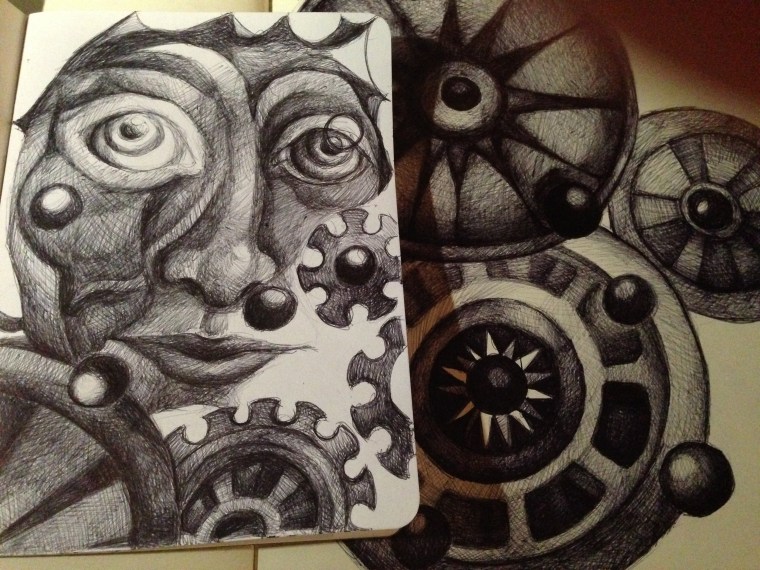
“Our physical body, all flesh and blood, rhythm and heart beat, clockwork and sensory organs, defines the outer limits of where we are at this moment, it gives the coordinates of our place in time. It also obeys the limits defined by space and time, it is as vulnerable as it is capable of adaption to a wide range of defining circumstances we perceive as exterior. What a strange thing it really is to behold: to see oneself directly, not mediated by a mirror or a picture taken, but to observe ones fingers, hands, arms, legs and feet in motion, knowing that this very motion has its source in the observing brain but can still be observed as if acting independently from that brain that, at the moment of observation, denies all knowledge of its own doing to itself, a great puppet master. 

My recent accident has directed my attention to my body perception. I have been stunned to realize that when I concentrate on the image my mind has formed of my body (feverish, aching, struggling, eventually recovering etc.)  I do not find one clear image but instead two merging images, like a form and a mellow shadow of this form in late afternoon light. My perception is that I actually have not one but what seems to be two bodies, a physical, touchable body and a non-physical body, acting like a fluid shadow to its undeniable twin. There is no esoteric search behind this, no truth seeking beyond science which would, by the way, be something utterly alien to me. But just to take stock I have to report this: if I concentrate on my body image I come up with representations of two images in my mind, not one.”

Scully coughed, but still did not comment. The birds swooshed back down and started searching for insects on the fields. One landed on the back of a sheep which trotted a few steps ahead and then just resigned itself to its visitor not unlike Scully who had resigned himself to my company. He continued reading out loud.

“These two bodies, I observed consequently,  co-exist, but my non-physical body seems to precede my physical body by a hummingbird´s heartbeat. Now, I could just sort this impression out, reject it as unreasonable and be done with it. After all, this is what the brain does, every day, select what it either wants to or is forced to acknowledge, rejects what it is at liberty to reject or has to reject even if at some cost. But by stating what I perceive I am not stating that I think what I perceive is an unnegotiable truth for everybody, I am not even saying that I have discovered a truth about myself. I am not saying: I am coming back wiser from the great unknown and now am able to report, if without evidence, that humans have a real, a physical, and a virtual body. By talking about this – after pondering this maybe perfect illusion for quite a while – I am simply not ignoring something that over the course of over six months, maybe as a brilliant psychological lesson in self-deceit, has been consistently been presenting itself to me.”

Oh, boy, he remarked, before he turned the page over, there is more of it. I almost smiled. But I didn’t. The sheep had started grazing. The bird on sheepback looked regal and ridiculous at the same time.

“The non-physical body I observe is very flexible, it seems to be an oscillating idea of my physical self, a representation of my physical body in code, a program that constantly adapts to who I think I am. I would say what I perceive is an image of my physical self, and its body matrix. Just like my physical body, my perception of this matrix, this fluid, non-physical body, is that it, too, though not exposed to physical forces originating in the environment perceived as “reality“, obeys its own laws of integrity. Over the course of the last few month, after reconciliating my perception of something I cannot prove to exist to some kind of notion about what is real (but neither can I prove my physical body to exist when I look at the reality of the particles that give me weight and form and that turn out to be build of nothingness, emptiness, resonating space) I have come to the conclusion that this perceived virtual body, the matrix, is vulnerable as well and that, if it gets injured, get so does the physical body that is connected to it. “

Is this about the accident ?, asked Scully. Is it? He looked at me sideways.The pages clearly stated that this was a draft for the health blog I was contributing to every once in a while. It paid quite well. Certainly as well as some of Scully´s legal work. I felt Scully´s glare as I looked at the sheep carrying the bird on its back. Scully was not amused. The bird on the other hand had gotten used to his ride and had fun, it seemed. Maybe they were friends, the sheep and the bird. I was reading too much into it, I knew that. But I liked the idea. This was Deichland, after all. My script. And Scully was my leading character. He did well so far, I thought.


Scully flucht

IMG_5832

Scully fluchte, als sich sein Handy, wie bereits seit 50 km befürchtet, noch in deutlicher Entfernung vor unserem Ziel entlud und die Wegbeschreibung von Google Maps, die uns zu dem Pferdehof führen sollte, mitsamt der unbekümmerten Stimme, die mir Anweisungen zum Fahren gab, in dem virtuellen Raum verschwand, in dem sich der Großteil von Scully Leben abspielte. Ich hatte mein Handy zuhause gelassen. In der Ablage unter dem Handschuhfach lag ein sauber aufgerolltes weißes Ladekabel, das Scully etwa bei Erfde erwartungsvoll hervorgezogen hatte, als er den geringen Ladestand seines mobile device, wie er es nannte, bemerkt hatte. Scully trug natürlich nie ein Ladekabel bei sich. Er war ein Großstadtmensch. Er vertraute darauf, dass alle Ressourcen, zumeist in Form von Mitmenschen, zu seiner unmittelbaren Verfügung standen. Dass mein USB-Connector nicht funktionierte, fand er dann ziemlich schnell selbst heraus.

Er arbeitete sich an all den Prozessschritten ab, die ein moderner technischer Laie in seinem Repertoire hat, wenn er einem technischen Problem begegnet. Er wackelte an dem Stecker, drehte ihn, zog ihn mehrmals aus dem Zigarettenanzünder und steckte ihn wieder hinein, einmal sanft, dann entschieden, manipulierte das Kabel vorsichtig in die eine und die andere Richtung, und blies in den Port seines Mobilphones. Ohne Erfolg. Schließlich gab er auf und stopfte das Kabel unaufgerollt zurück in die Ablage, was bei mir ein leichtes nervöses Zucken am rechten Augenlid verursachte, das ich aber relativ schnell unter Kontrolle hatte.

Scully merkte nichts, er konzentrierte sich nämlich auf die Wegbeschreibungen. Es waren sehr viele kleine Streckenabschnitte, die er langsam herunterscrollte. Dabei hielt er das Handy ganz still und betont wagerecht, auf die ihm so eigene, überraschend sanfte Art,  die man fast fühlen konnte, wenn man seinen Hände beim Arbeiten ansah. Scully, seines Zeichens Anwalt, war eigentlich Künstler.

Jetzt versuchte er, sich die Wegbeschreibungen einzuprägen, während er zugleich so vorsichtig über den Screen strich, als könne er den Handyakku durch eine Balance von sanfter Konzentration und Wunschdenken dazu überreden, länger zu arbeiten. Der Mensch ist ein archaisches Wesen, das kein Problem damit hat, gegen besseres Wissen zu denken und zu handeln und auch zu hoffen. 50 km später gewann die nüchterne Technik.

Scully konnte ausführlich  und eloquent fluchen, und das tat er erwartungsgemäß auch, als der Screen schwarz wurde. Ich trat kontrolliert auf das Gaspedal. Der Wagen beschleunigte ohne spürbaren Übergang. Wir befanden uns auf der gleichförmigen Ebene Nordfrieslands auf einer ziemlich kleinen Straße. Nach etwa 20 Sekunden besann sich Scully dann auf seine mentale Merkliste. Er sah suchend aus dem Fenster,  und ich fuhr wieder langsamer. Ziemlich zuversichtlich sagte er dann, fahr mal rechts , da vorne, an den Bäumen, rechts, (Sackgasse), etwas überrascht: ok, ok, dann am nächsten Abbieger, da hinten (unbefestigter Wirtschaftsweg). Dann erst begriff er, dass er es im “Flow” der Ereignisse, wie er es nannte, versäumt hatte, sich den letzten Standort auf der Karte zu merken. Ich war eine gute Schülerin. Ohne Standort war der ganze restliche Sermon  der auswendig gelernten Wegbeschreibung nutzlos. Die Schönheit von Google und GPS liegt in der Möglichkeit der Standortbestimmung. Die Schönheit des Reisens ohne GPS besteht im Verlorengehen.

Als Scully den USB Connector erneut in den Zigarettenanzünder steckte, und nochmals durch alle nutzlosen Manöver zu gehen drohte, welche er bereits zuvor ohne Erfolg versucht hatte,  fuhr ich zur Seite, hielt den Wagen an und stieg aus. Ich schloß die Fahrertür sachte hinter mir und machte ein paar Schritte in den frühen Abend hinein, der mich lauwarm und feucht empfing. Am Horizont verdichtete sich violettblauer Dunst zu Regenwolken. Auf den Feldern standen Schafe in gefälligen Abständen zueinander. Zwischen den Wolken leuchtete der Abendhimmel in hellgelben Streifen. Dort war Westen, dort lagen die Deiche und das Watt. Es war nicht mehr weit. Ich lehnte mich an die Kühlerhaube und sah dem Himmel beim Malen zu. In meiner Tasche steckten zwei Din-A 4-Zettel mit ausgedruckten Wegbeschreibungen.

Scully kauft eine Wiese

Wir kauften ein kleines, überteuertes Stück Land von einem Bauern. Den Preis dafür hatte Scully über ebay ausgehandelt. Grünland. Das Land lag im Nirgendwo, nicht nahe der Küste, nicht an einem See oder am Waldesrand. Es war kein Bauland und würde, soweit es absehbar war und das deutsche Baurecht nicht drastisch geändert wurde, niemals Bauland sein. Es lag im Außenbereich unter einem niedrigen Himmel und war bar jeglichen Attributes, das es als attraktiv für auch nur entfernt touristische Zwecke zweier landhungriger Städter hätte geeignet erscheinen lassen, aber Scully lachte zufrieden, als der Notar uns nach der Beurkundung die Hand gab. Einige Wochen später waren wir im Grundbuch eingetragen, zu ideellem Miteigentum. Wir hatten eine Wiese gekauft, und einen Knick, der zu einer gut befahrenen Landstraße hin lag und im nächsten Frühjahr würde geschnitten werden müssen.
Der Winter war nass und warm gewesen und der Grund hielt jetzt so viel Wasser wie ein Schwamm, weil nichts mehr ablaufen konnte. In einer Senke ziemlich in der Mitte des Grundstücks hatte sich das Wasser an der Oberfläche gesammelt und einen kleinen Teich gebildet. Der Teich war im letzten Sommer nicht hier gewesen, als Scully das erste Mal über die Wiese gestiefelt und ich ihm wie ein kleiner Hund hinterher gehechelt war. Ja, das ist es, hatte er fachkundig festgestellt, genau hier muss es sein. Das war im Spätsommer gewesen, die Wiese war trocken gewesen und verkrautet und verwaist. Aber jetzt hatten wir auch einen Teich, jedenfalls vorübergehend, eine glatte Wasserfläche in der Geest, in der sich der Frühjahrshimmel spiegelte. Zu ideellem Miteigentum. Auf dem Teich schwammen zwei große Eiderenten, Somateria mollissima mollissima, die vielleicht Rast auf dem Weg zur Küste einlegten. Deshalb wirkte unsere Wiese jetzt nicht mehr so verwaist wie bei unserem ersten Besuch, und es war sehr hübsch, wie sich der Himmel in der Lache spiegelte, auch wenn von Zeit zu Zeit ein Lastwagen auf der östlichen Landstraße vorbeiknatterte.
Scully hatte den Wagen auf dem Wirtschaftsweg geparkt, wir waren ausgestiegen und hatten unsere Gummistiefel angezogen und Scully hatte mir die Thermoskanne in die Hand gedrückt und dann war es so weit gewesen: Wir schritten unsere Wiese ab, Scully mit dem schweren Schritt eines Grundbesitzers, der sein Land kennt, obwohl er in Hamburg-Altona in einer Zweizimmerwohnung lebte. Es war so: Scully schritt und ich machte einen Schritt, blieb stehen, sah mich um und hastete ihm dann hinterher, die Thermoskanne in der Hand, und so vermaßen wir die ganze Wiese, in der mein bescheidenes Erbe und sein Know-how steckten. Sein Wissen, mein Geld. Eine Wiese, auf der man nicht bauen konnte.
Als wir zum Gatter zurück kamen, reichte ich Scully die Thermos, er schraubte sie auf, goss etwas Tee in den Schraubdeckel, nahm zwei Schlückchen und reichte mir den Rest. Der Tee war schlierig und schwarz, wirklich schwarz, denn Scully machte keine halben Sachen. Der bittersüße Geschmack blieb einem noch lange im Mund, es war nicht jedermanns Sache. Weit entfernt von einem Flat White oder einem Cafe crema to go. Nichts für Anfänger. Der Tee belebte Tote.
Scully stand breitbeinig am Gatter und sah noch einmal sichtlich zufrieden über die Wiese. Wir brauchen ein Pferd, sagte er. Und noch eins zur Gesellschaft. Ich widersprach nicht. Es war noch etwas Geld auf dem Konto. Scully schien wie immer aus einer Eingebung zu sprechen, aber ich war mir sicher, dass er schon wusste, wo wir das Pferd, das er meinte, finden würden. Und eins zur Gesellschaft. Ein altes Pferd, für mehr reichte das Geld nicht. Oder ein lahmes. Oder ein altens und ein lahmes. Ich wusste nicht, weshalb wir ein Pferd brauchten und eins zur Gesellschaft, zu ideellem Miteigentum, aber wenn Scully es sagte, musste es so sein.

Sirens

The lake had glazed over and the ice had hardened and grown thick that year without any snow at all, making the safest ice you could hope for. Lake Willoughby is by many considered the most beautiful winter lake in the area. This is because due to its depth it is the last lake in Vermont to freeze solid, mostly not before late January or early February and thus remains snow free even as most of the other lakes are covered under a harsh monotonous blanket of snow. The color of the ice of their lake changed with the moods of the clouds racing over the sky on a sunny day and could change from green to blue to black within the course of a few hours.
If you have ever walked on ice without snow cover you know it is like magic, like walking over a window into a strange world from which you are separated by just a few centimeters.
With patience, just before nightfall, and if like Vermont kids you are able to hold very still despite the cold, if you manage to be one with the frozen world without moving, the fish will come close to the surface of the ice and you can watch the burbot from above as about a dozen males and females form a writhing ball several feet in diameter and dance what looks like an agonizing devilish dance under water, rolling over the bottom of the shallows and muddying the waters under the black ice.
„Don´t forget,” said the father to Joe underneath his breath, before he started to pull up the hooks, “these burbot devils are creatures of the deep and yet the good Lord sends them up for us to be sustained through winter.”
They certainly looked devilish, thought Joe, their heads were flat, their large mouths with pursed lips contain several rows of small sharp teeth, but Joe who loved any living creature still felt sorry for them when they lay on the ice after their father had hauled them up skillfully. When their eyes broke and glazed over, separated from their world but by a few inches of frozen ice, even the grim appearance created by the barbel that hung from the lower jaw made them look pitiful to the boy.
But his father never failed to remind him that they were mighty strong predators, skimming the shallows for smaller and larger creatures to feast on, crayfish, perch, minnows and even landlocked salmon almost their own size. Fearless they are, he said, don´t pity them. And they will fight back when they have fallen prey to your bait and hooks.“
Father had woken Joe and Will in the afternoon when it was still light outside but the shade was starting to flow into the valley between the mountains and spilled over the dark ice like the schoolmaster´s dark blue ink.
This hour remained Uncle Joe´s most favorite time of a winter day until he got very old. If it coincided with a fading winter sun over Mount Hor to the West, Uncle Joe would absent himself from any kind of work he happened to be pursuing at the very moment and despite his beloved and feared wife Aunt Melissy´s stern glance he would walk down to the shore to gaze out into the illuminated blue valley that had replaced the silver rippled summer lake.
He would always come back home with far away eyes as if he had looked beyond the borders of what lay in the past and his usually twinkling eyes were calm and serene for the remainder of the day. Did he still then hear his father´s words, the words the old man had addressed to the brothers that winter night before they went ice fishing almost holding them back by the collar so eager had they been to get out there the first time that very winter?
 The father had warned them to spread their gear out evenly and orderly over a well organized area, under no circumstances were they to drop it all in one place in order to distribute the weight more evenly over the ice.
He had spoken with a stern voice, looking them into their eyes to ascertain they were listening, even though they had heard his speech many winters, time and again.
Joe remembered the grin Will gave him, as father was issuing his final warning before they were allowed to step out on to the ice: „Boys, listen up. If you fall through the ice, try not to panic. It´s just very cold water, nothing you are not used to. Turn toward the direction from which you came and carefully place your hands and arms on the unbroken surface, working your body forward onto the ice by kicking your feet. Once out, remain lying on the ice and do not stand up or you might fall through again, and then roll away from the hole. Roll or crawl back to your tracks until you return to solid ice.“
And thus they had ventured out, all three of them, Joe with his father, carrying his share of gear and keeping his eyes on the dark transparent surface of the ice while following in his father´s light steps. They quickly reached their respective camp places which were to be set up around  precut ice holes his father had maintained over the last few days.
Every once in a while Joe looked up to see Will´s small figure in the distance setting up camp at the second hole about a hundred feet away. Both Will and his father first took out a skimmer and carefully but forcefully broke the sheet of ice that had glazed over the newly cut hole during the last 6 hours since father had last been out and then fished out the ice fragments and the slush underneath that would continue forming over the course of the night. Joe´s father then handed over the skimmer to the boy who fastened it to his belt with a thin cord. It would be his chore to skim the ice slush out of his father´s fishing hole over the night while Will had to do his own. He had to do this gently so the burbot wouldn´t be scared off. It was an important chore.
The ground was clear ice under their feet and night was already settling in. This was the most beautiful hour when the ice was shimmering blue as if illuminated from within and the evening air was crisp and really cold but not deadly cold yet. Later the night it was one of the most important things to keep warm during the wait for the fish to take the bait as tiredness would overcome them but for now he was alert and excited. Every once in a while he cast a glance over to Will who went through the same motions as his father in setting up camp. Maybe next year Joe would have his own fishing hole a hundred feet off his father´s side too.
He looked up the cliff of Mount Pisgah along the east shore of the Lake. The cliff lay frostlocked and forbidden. In summer Will and he would scramble up through the woods and rocks again, and explore how the cliff´s surface, so familiar to them, had changed over the course of the winter by small landslides and rockfalls that blocked pathways from the previous summers or had created new ones, had felled small trees rolling by and littered fresh rock shards sharp as a knife´s blade over a glade. There was this one thing his father said repeatedly as the boys ventured out as he knew they must to become part of the land and endure its challenges despite their mother´s worries. He said that even a mountain was but a changeable thing in the sight of god, and Joe knew that to be true by all these changes that were mostly invisible to the untrained eye but that Will and he could spot from the road and that made them eager for spring time to find out more.
But despite all these changes, now, in the evening light, Mount Pisgah looked eternal as did Mount Hor on the other side, and Joe shivered and hurried to help his father with the last preparations. At home the boys had helped father to prepare the line with the set-line hooks and strips of dried fish. They had no live bait which would have worked even better but even burbot was hungry this time of year and the dried fish would do.
His father unrolled the set line gently into the ice fishing hole. The sinker helped to pull the line to the bottom quickly. Father secured the line around a strong spruce pole and made sure that enough weight was on the line. After that the long wait could start, and darkness would finally claim the ice valley save the two small lamps that were hung up at stakes next to the camp sides and would be the only way to signal to Will who would be all but invisible by his own fishing hole.
Joe could hear the ice working with clear cold sounds but his father was relaxed now and unhurried and so Joe knew they were safe and the ice was strong enough to bear their weight this night. He knew that even the moose would sometimes venture out on the ice once the lake was frozen though it happened from time to time that an animal would fall through the ice. Two winters ago father had found a frozen in moose calf in the lake not far from the shore and had worked very hard to free the frozen carcass to provide the family with meat for a long time. Every time that the family had had moose stew that winter, Joe who had been only ten years old then, had felt sad thinking of the poor calf who had fallen through and not managed to get out of the water in time, but father had said that the meat was a gift and that it had been a miracle too that the calf had not gone under before freezing into the ice. Joe hoped that the animals were smarter this year. He scanned the darkening shore line for the swiftly moving shapes of the creatures, glad to know that at least the bears were deep in their winter´s sleep until March and were not likely to bother them at their camp site.This year food was not so plentiful as it had been that winter two years ago when they had found the calf,. This year the family depended on the catch to survive winter without going hungry.
Underneath his feet the boy could now see slight movements and he knew this meant that the burbots had started their dances. For a moment he had a slight feeling of vertigo as he remembered an old fireside tale.
The old woman by the creek told the young ones who stopped by every once in a while to hear a good tale that it was absolutely necessary to look away immediately and call for the good god´s support if you ever spotted larger figures under the ice. Legend knew there were heartbreakingly beautiful heathen maids living in the lake who looked like humans save for a long silver fishtail instead of legs. They were said to smile up from their icy world especially at young men from underneath the glassy ice and try to lure them to the open hole to reach out and pull them into their dark cold world.
Joe´s mother had said that these stories were but old women´s fireside tales unfitting for young men like Joe and Will when he had asked her about it, but he had seen a shadow of fear in her eyes nonetheless. He thought that Will, being 15 now, certainly would not look away if a beautiful girl was ever to smile at him, and neither would he.


The Priest – 1861


FotoHe had lived in the rectory for over 35 years. When he had arrived to take care of the parish, people had soon introduced him to their daughters for he was young, unmarried, of a well known family. But he had kept to himself, had dedicated his time to his parish and his academic studies. He was especially interested in the work of a catholic lawyer, philosopher and counter-revolutionary, Joseph de Maistre, mainly his Essai sur le principe générateur des constitutions politiques et des autres institutions humaines (“Essay on the Generative Principle of Political Constitutions and other Human Institutions,”). He was intrigued by de Maistre’s doctrine that war and the shedding of blood were necessary for the expiation of sin. Also that sin was inevitable, that physical evil is the necessary corollary of moral evil, expiated and lightened through prayer and sacrifice only. These ideas resonated with him in a very deep and personal way, he was severe and unforgiving and so were his sermons. He had to redress these ideas to make them acceptable to the views of his own church, and it hurt him personally to offer forgiveness for mere remorse in the name of Christ. Over time, as he became older and his severity started to show in the deep lines in his face and the emaciated appearance of his body, people started to fear him and went out of his way where possible. There were no more attempts to introduce him to an unmarried daughter or niece and less invitations to other social events, which was a welcome development in his eyes, as it provided him with more time for his studies. He suspected himself to be prone to a weakness that both churches would have condemned and was relieved that in consequence of his social isolation there was only limited temptation to give in to his desires. If one of his young male students would catch his attention in this unwelcome manner, he treated the boy with special unkindness to keep at a safe distance. While his philosophical comprehension and reasoning deepened over the years, recorded in countless journals, he did not manage to overcome his burden, and realized that he actually suffered more severely from it the older he got. This in turn supported his views on the inevitability of evil, for as evil he regarded his infliction, but also as unavoidable, as nothing he had done to purge himself from it had been successful. His life was complicated and joyless for the most part.
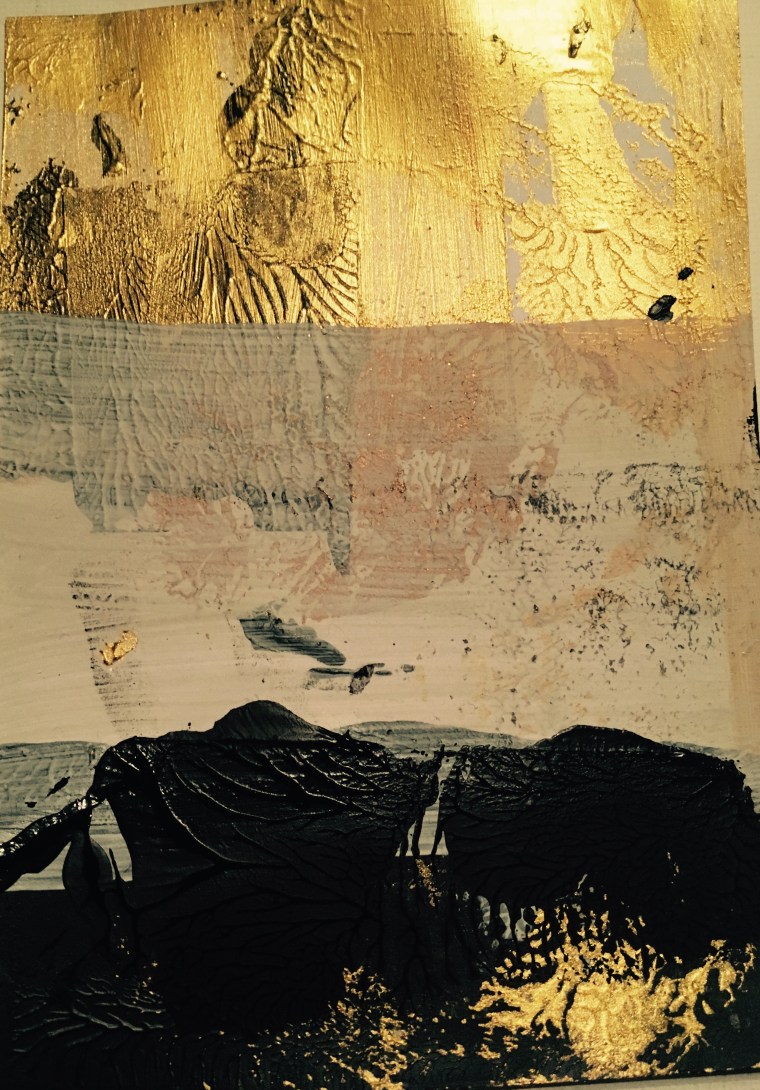
He did take an avid interest in the building of the new church that was to replace the old wooden steeple. It’s neo-gothical style resonated with his ideas about a purer world and society. He contributed generously to its building cost out of his inheritance as had other wealthy landowners in the parish. The new church was a symbol at the same time of their moral purity and economical wealth. His contribution was so significant that he was chosen to model for the statues that were to be put on the roof and overlook the parish. The idea of watching over the life of the parish from a far distance appealed to him. The last winter before the completion of the new church he had an encounter with a stranger who had called upon him repeatedly and who was staying at the town’s only inn. He was dressed in simple, yet elegant clothes, cut out of fine, dark cloth. In a small town a stranger like this would normally have generated a great deal of curiosity. But he was so quiet and unassuming in his manner as to almost appear invisible. He went for daily visits to the rectory where he was served tea and would have long conversations with the pastor. The elegance of his appearance was so convincing that it took a while for the pastor to notice that the stranger wore but a kind of biblical footwear, close to being shoeless.
It was late fall. The trees were brilliantly red as if with religious fervor. The pastor felt alert, alive almost as if a lifetime of doubt and study suddenly held some promise, as if the dark aspects of his life were less weighing on him. Then the stranger came down with a severe flu which delayed his departure. High fevers made him delirious, and the doctor and priest both were called to soothe the rage which seemed to devour the man who had been a quiet guest until he came down with this fever. After three days he lost his consciousness and did not regain it. He died in the fourth night without the pastor at his side. The pastor himself was delirious in fever at this time and died only two days after the stranger.

previous chapter – next chapter

Mud people (excerpt from Gargoyle)

fullsizeoutput_b93 The shallow hole the boy had dug became deeper with time as he scooped out the red colored clay the ground was made of. He filtered it through his hands, taking out stones, sticks, decomposed leaves and roots. Punching and smoothing it he compacted the clay to one block, thus slowly building up a monolith from clay. He devoted great care to this process, making sure that he would have a structurally sound mass with which to work. Over the course of building hundreds of small people from mud he had gotten quite skilled at this craft. Only when he was content with the sound that a slap against the block produced, a deep, saturated thud, would he proceed to sculpt. With deliberate slowness he worked from the general form to the details. Many times a form had collapsed when he had tried to overemphasize a movement or had placed the limbs too far outside the center of gravity. In the beginning he had tried to use sticks to support an arm reaching out or a leg stepping forward and though technically that solution had worked he didn’t like that the figure now seemed to defy the laws of gravity that nature put on the material and form. It was thus almost impossible by the mere use of sticks and clay alone to sculpt an outreached limb that looked natural. So he had returned to work from the inner core of the material and to rather hint at a movement that – though invisible – the eye would project into the empty space. He was always intrigued by what he could see without seeing it. He liked the way his sculptures randomly related to one another, all he had to do was to quietly look at both sculptures and discover this relationship of forms. Something deep inside him stirred when he looked at his creations and their silent endurance. He could see the form of the space in between two physical forms, it was nothing and yet visible if one cared to look, it changed constantly, stretched and diminished, even disappeared. It was actually easier for him to comprehend the properties of this in between space than the form itself. You could get out of the trajectory of any moving object if you controlled that space. If you made that space in between adhere to your inner voice you did not need sticks to build a figure. Why, you barely needed your hands, all you had to do was to look long and hard, look at the clay monolith and make some slight adjustments. Soon his people were crouching, stretching, running, turning. He took great pleasure from this.
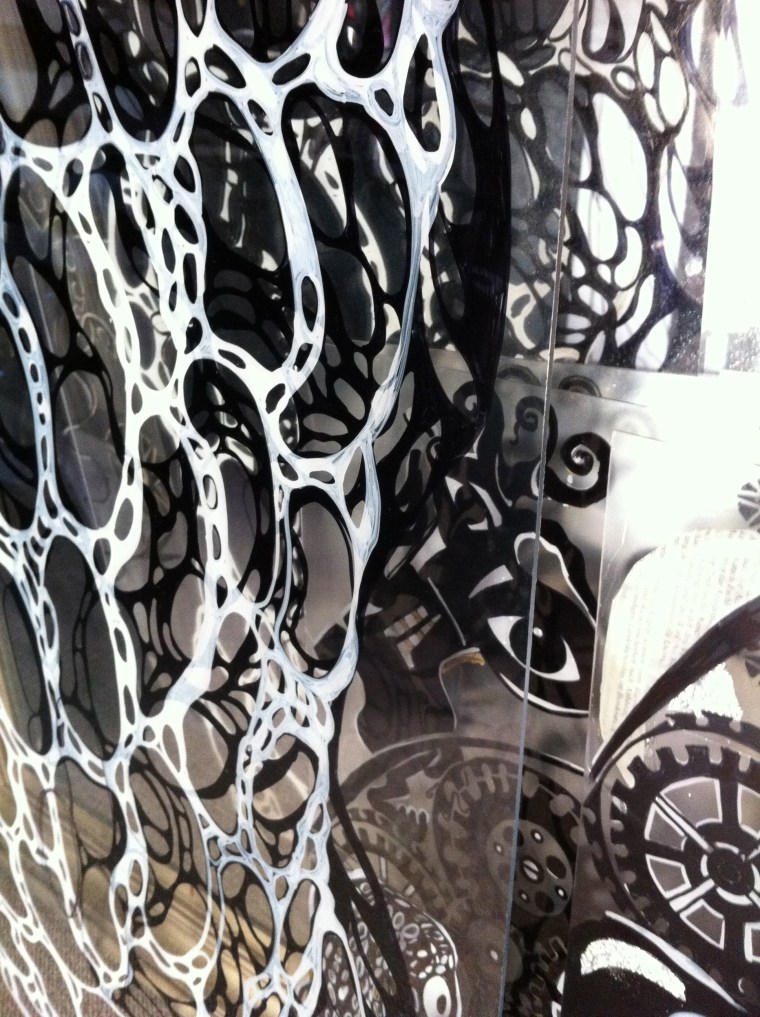
His father began to take notice too. One night when he had returned home from the workshop the little garden patch had first caught his attention. In the twilight the clay sculptures his son had build in the afternoon had a strange quality of perfection. There were seven fresh sculptures, six of them crouching on the ground, the seventh a small figure in flight, emerging out of a block of brick-colored earth, running.
From a distance it had seemed that all sculptures possessed distinct personalities and bore individual facial features. Something about these features seemed oddly familiar to the stonemason. Upon closer inspection he realized though that the impression of an actually sculpted face dissipated from a nearer perspective – but reinstated itself the moment he stepped back like a magical trick. The inability to confirm his initial finding, to come closer to the truth, was intriguing to him. He asked himself how a not yet six year old child could have created such a sophisticated illusion. He didn’t ever doubt that the impression was created deliberately. He studied the people his son had made for a long time. Inside the house the light from the boy’s bedroom shone dimly through the drawn curtains.

Ghost girl and Senegalese food

When Jawara arrived at the apartment the girl was home, greeting him with a melodious if distant „Hi, Jawara“, pronouncing his name with a slight American slur though she was European, actually German.
It was unusual for her to be home at this hour. She was sitting high up on the kitchen counter that separated the living area and the table from the built-in kitchen cabinets, holding on to an oversized mug with both hands as if she was trying to warm herself and smiling at him. The small space smelled intensely for coffee. She was wearing Jeans and a plain white T-Shirt. No shoes, no socks. Jawara liked that she had the good habit of slipping out of shoes and socks right at the door. He smiled back at her, grateful that he did not have to spend the evening alone but a bit worried about not being able to go to sleep on time.
He realized then that it was already past nine in the evening, and the girl was the first person this day to smile at him and mean it, meaning him, Jawara, rather than directing a grimace in his direction by mere reflex or politeness.
The realization made him sad, but it was a passing sadness, he had no resistance to it. Her smile was genuine and she looked directly at him, and after the sadness had receded, the gladness about some basic form of human company returned. – Hallo, you are home early, he said for a greeting while removing his own shoes and socks. She just nodded and kept smiling with an ease that showed him she meant it, there was nothing forced about it.
She did not not offer any explanation as to why she was home, but he took no offense. He had noticed before that there were days when she was barely present and he had realized it had nothing to do with him. She was not absent in relation to him in the way people were who usually ignored him even when they were placing their orders or accepting his soliciting smile at the food truck. It was more like she was absent from herself, and keeping company in a different sphere that was not accessible to his perception. More than once when meeting her he had had the eerie impression that the girl though being by herself had seemed like a person in company, acknowledging him as if she was tied up in a social situation but would really much prefer to talk to him than to her present company.
This impression she conjured up by her body movements and attention to spaces in the room that seemed out of focus of the actual things,  directed into an empty space but also consistently arrested at this point of not interest without staring, this impression was so eerily convincing that at times he had had the feeling he could actually see people gathering around her. For example, there was no apparent explanation as to why she would sit up on that kitchen counter as if she was actually facing a room full of people talking animately and had found herself a place to survey an informal gathering. She did not have a book or a file with her as she sometimes had on weekends, just that big mug of coffee.
She was sill sitting on the counter with her coffee when he returned from the bathroom accompanied by a strong scent of hand soap. He walked past her and into the kitchen and she gave herself a quarter spin and then another following his position in the room and now facing the kitchen front instead of the non-existent gathering. He started taking out food from the refrigerator. His neck tingled as he was feeling her in his back, sitting silently on the counter like a house ghost. She was a very quiet person.
He opened the fridge and methodically removed his food containers from his shelf. The evening before he had marinated chicken in a big glass jar that still had a shadow of a peeled off commercial label stuck to it. He had chopped onions and clover and had mixed them with salt and peanut oil and had poured this mixture over the chicken pieces stacked with lemon slices in the jar.
He usually precooked enough rice to serve him for several meals and kept the rice in a container in the fridge, too. He fished out some carrots from the vegetable drawer in the fridge and placed them on the kitchen counter right next to her, followed by a small cutting board and a knife and he started peeling and slicing carrots.
Are you hungry, he asked her politely, implicating that he could prepare food for the both of them but knowing ahead of time that she would decline. He had never actually seen her eat before though she did keep joghurt and fruit in the fridge. She shook her head, but playfully picked up a piece of carrot peel and curled it around her index finger like a bandaid. This irritated him for a split second but he did not flinch. Still, she unwrapped her finger as if he had commented on it and put he peel back to the growing pile of scraps which unnerved him even more because it heightened the vague impression she had on him, kind of like she was not a real person but really a creature from inside his own head thus knowing him as well as he dared to know himself. This must have had to do with her quietness.
New York was a place for strange people. It was certainly a good place for ghosts to live without drawing too much attention to themselves. Spirits and fox girls. He suspected without true conviction that he had been invited in by one.
Even if it was true: it was better, much better, to share a room with a pretty ghost girl than with the kind of loud and inconsiderate room mates he had had before. Still, he sometimes felt unnerved by her mind-reading ability. Maybe it was a female skill. His mother had had it too and there was nothing ghostly about his down-to-earth mother.
The smell of garlic in the frying pan when he roasted the chicken rooted him, and he gave the girl another smile before pouring the marinade over the browning chicken meat. She watched him when he picked up the cutting board from the kitchen counter. He pushed the carrot slices into the fragrant mixture and let the dish simmer before turning again and looking at her. Strangers in close proximity. – There is more coffee, she remarked. He considered her offer, but thinking about the few hours of sleep he needed, now it was his turn to shake his head. He noticed now that there were some almonds in a small ceramic dish next to her, half empty. Ghost food, he thought, and she tensed up immediately and stared at him for a moment, but then relaxed again.
He turned to the stove again and added some servings of rice to the chicken and carrot stew, and turned the heat on low. He filled two glasses with tap water that smelled of chlorine and he knew would taste like it, too. Walking over to the table he set the place for one but added the second glass for her. When he returned to the kitchen to check on his food, he ran into her legs. He was very hungry but for a moment he grew aware that she was not a ghost but actually a living breathing person, a girl. Then the food won. She slid down the counter and walked over to the table still carrying her coffee. He followed her with a metal coaster and the frying pan. It smelled like home.

Literary avatars,Jawara´s story, excerpt

IMG_5726Where do you live when you live in a mattress under a dining table as a roommate to a legal intern? What is your legal address? Do you even have one? You are not freezing at night. You do not go hungry by day. You are alive to the world, breathing, thinking, feeling, and you have a history that walks by your side as you walk past the store fronts on Madison on your way to the subway on 96th Street after your boss has taken off with the food truck towards Queens. His day is not over yet. He still has to drive the truck out, clean and unload it in order to comply with food regulation rules, to keep the truck running that provides both of you with a livelihood but in your case just so.

From the window displays on Fifth and Madison distant galaxies of human existence are reflecting. The entry to these worlds is being jealously guarded by slim young men in well cut suits with cold stares. You don´t even desire the kinds of goods that are hiding behind those faraway windows though you are also not ignorant of them, there is simply no meaning in the acquisition of things that furbish and decorate for events that are not even on your far horizon.

You do desire books though and a place to sit and work quietly. At this moment all you need is a few minutes for yourself, to be a free man and a free agent of your fortune, maybe pretending there was indeed a place for you to go to, not here in the Upper East side, maybe somewhere in Queens like your boss, a place with friends and family waiting for you like back at home. You correct yourself: like it used to be at home.

You stop in front of the book store on Madison Avenue, Crawford & Doyle. You have never once been here during opening hours but you love the window display and the old-world storefront. Your time is ticking, and you are incredibly tired, but you take a few minutes to let your eyes rest on the new arrangement of books. You love book design. Your mother was born in in Saint-Louis, Senegal, where she grew up before moving to Dakar to finish her secondary schooling and becoming a book designer. You know book design because she loves it. You miss her, but you know she approves of you being here and giving it your best shot. And so you feel ashamed that your best shot does not go so very far as you are exhausting yourself working at the food truck so you don´t have to live in the street. Any other city you might be having your own place but here it is all but impossible, all you can afford here is the mattress under a dining room table of a legal intern who is too poor to afford that place on her own.

The studio apartment you share is really small like a doll´s house, which explains why the only place for your mattress is under the table. The intern herself owns next to nothing – but she does own this table that is like a small hut. A table like a boat, like the Arche Noah she once said. New York could drown and all she´d have to do is turn the table over and float out of there. The both of you share the upper part of that table and the kitchen and the bathroom. She has made her own bedroom in a walk-in-closet which accommodates her own mattress underneath the clothes hangers. The arrangement works remarkably well. You are rarely at home when she is, time´s maybe overlapping a few hours at night. She comes in late, often after midnight, you have to get up at 3.30 am to meet your boss set up the food truck in time for the morning crowd of office workers. Both of you try to be mindful of the other´s sleep. Neither one of you brings a lover home though you have once seen her with this tall guy on Bank Street, artist looking type. He would not have fit in that closet. Such a strange thing though to know there is a girl in the closet while you are brushing your teeth. Sometimes she´s talking in her sleep from deep within that closet. New York is a strange place.

All of this you think as you let your eyes travel unseeing over the books displayed in the windows at Crawford & Doyle. You should be writing a book and have it displayed in this book store´s window for people to see and buy, you are a good narrator and a good writer, and you have a story to tell. But even in real life no one here seems to care about your story, you are all but invisible. People ask you for a bottle of Peach Snapple or Newman´s Lemon Ice Tea, they ask for coffee to go, they ask you for a donut with cream cheese or a pretzel with salt which you carefully wrap in a napkin and hand out to your customer, but not before you have carefully counted the change. People don´t care for you touching the pretzel with your hands, they are afraid of touch and life and smell, though the city is full of touch and life and smell, but it is like a playground to them with their own set of rules, it is their playground but your jungle, and they know close to nothing about you and they don´t want to either. You are not their problem, you hand out snacks and food and sugared drinks and coffee in a sanitary, non-threatening, polite way so they can forget about you the moment they bite into their pretzel, you are like an extra to their own, legitimate story while you keep invisible, keep in your place. Your head is so full of life and stories that all you want to do is sit down and start writing, tell a story, only you can´t because you are so tired and lonely and tired again,  so tired you almost hear your thoughts and they are so loud that they are almost painful and the blood rushes to your face, and what you really have to do is to go home and wash the dust off and crawl on to your mattress under the table in order to be able to get up in a few hours to start working again, so you will still have that mattress under the table and water and enough food to survive, and so this will be another night when you don´t start your book. Maybe tomorrow night. Try again. You have not given up quite yet. And you slowly start walking toward the subway station on 96th and your life´s avatars drag behind a bit, still clinging to that beautiful window display.