Page 10 of 10

The Little Gargoyle


I’m looking for the face I had
Before the world was made.
Yeats, A Woman Young and Old

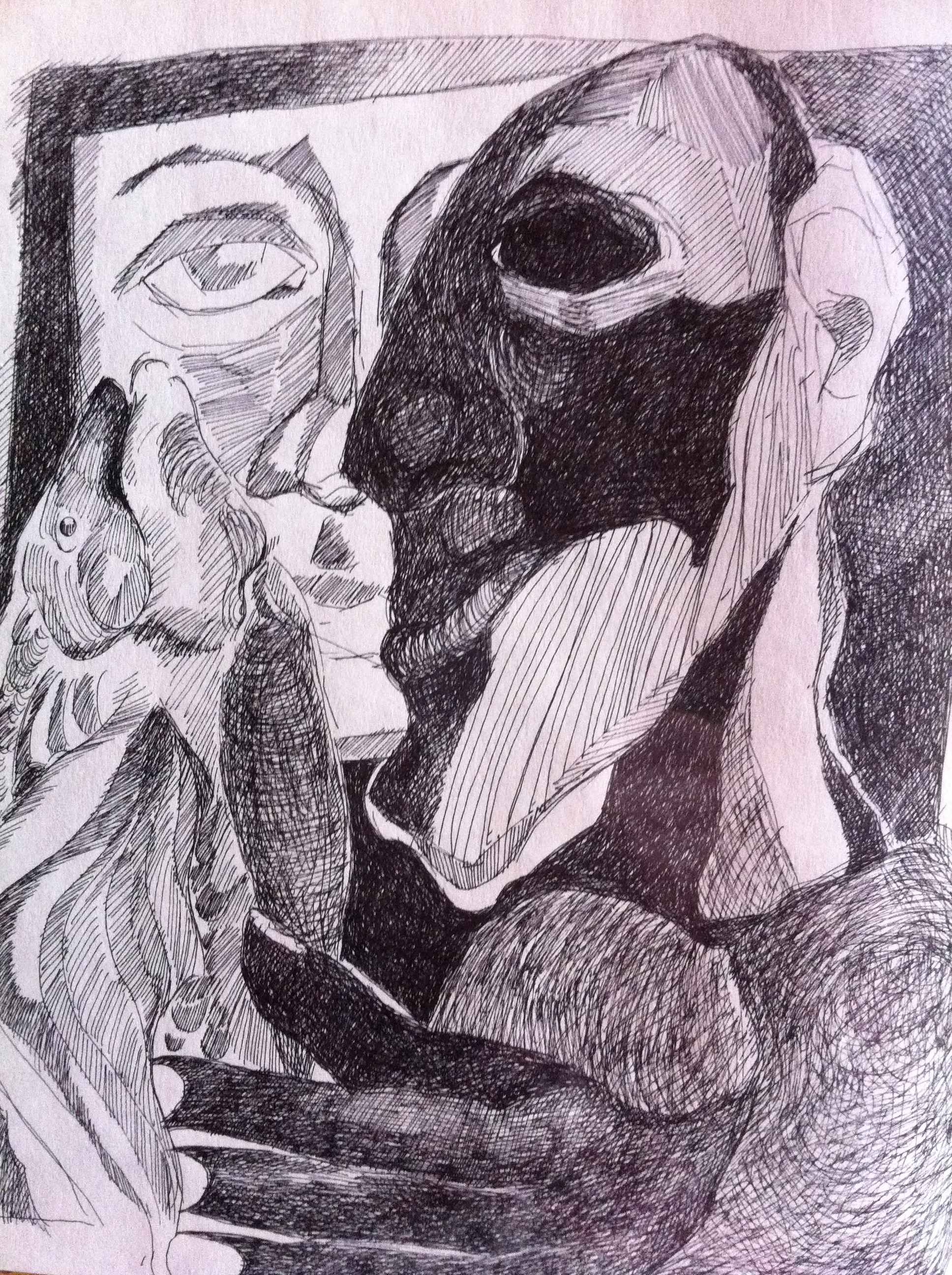
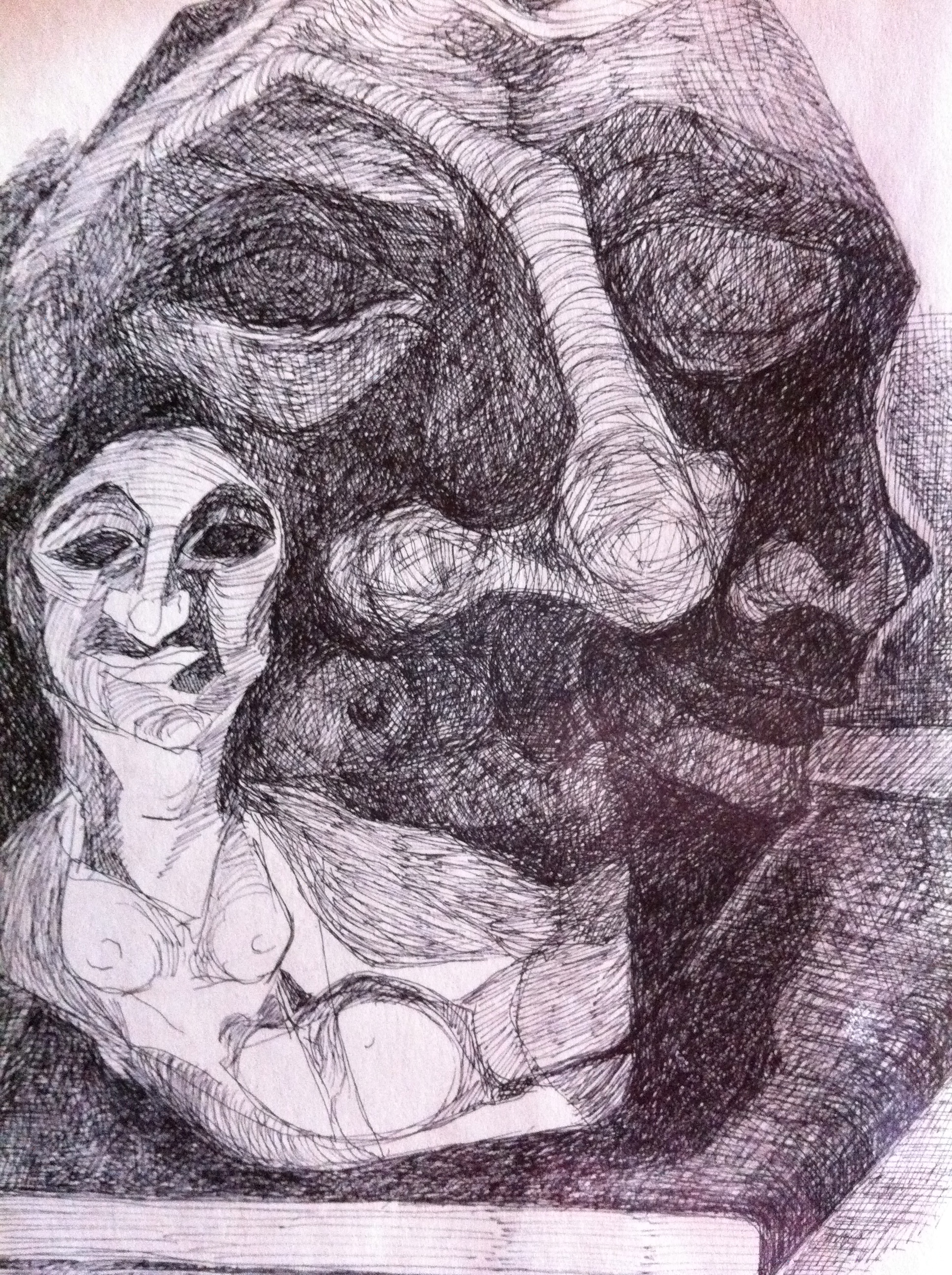
The little Gargoyle was sitting, the last of his kind, still as usual, listening to the faint sound of human voices from down below that the wind today seemed to be determined to carry in another direction. The Gargoyle sighed. Many days now he sat unmoved by the simple signs of social life the parish displayed on the little stage of his vision field. Sometimes he thought about the times when the others had contributed to his own observations with descriptions of what they could see. They all had had places of much greater exposition and had enjoyed a better view of the human spectacle down below. His own place in the shadows of the rear entrance suited the much less elaborate work that the artist had employed by carving him, basically not intending much more than creating a somehow sophisticated rainspout.
One might have thought that his first decades of existence must had been filled with envy or humiliation as his far more artistically executed companions had not failed to point out the aesthetic and social difference that clearly existed between his own simple self and their proud display. The truth was though that his nature was as simple and good willing as his face and that he had always preferred listening to talking and had been glad of their companionship despite their arrogance. Over time as boredom had led to an increasing tendency to quarrel among the more prominent members of the little society they chose him to confide in when their antagonists were drifting off to sleep, a deep, dreamless sleep, not unlike death, but the little gargoyle – clearly a failure in this respect as well as in his aesthetic execution – unable to retrieve his thoughts had been sitting alert and looking out into the night waiting for another morning that should restore his companions to him.
When they were all finally hovering quietly in their respective darkness he had often asked himself if the stonemason had known that he had been awakening the stone with his hammers and chisels and had he known would he still have chosen to give life and then abandon his creation? The little gargoyle of course had the patience and endurance of all stone creatures and one night, one week, one month of silence meant little to him. But he found that by never being able of sleeping he had lost some of his countenance, his stone nature, and during his long nights of silent thoughts while the others where embedded in an enviable state of coma had developed an inner life that didn’t seem quite suitable for a simple gargoyle.
Sirius

Often, on late summer nights my mother, my sister and I laid down flat on the lawn of our front yard and looked down into the stars. The grass of our lawn was long and wavy, different from the short cut golf course front lawns of our neighbors, and woven through with moonflowers that smelled lovely in the warm, damp night air and in their whiteness actually glowed like little stars themselves. I remember one night when I felt particularly light and small, and grateful to gravity for holding me securely to the surface of my own planet. The stars glittered in the distant depth. My mother giggled when she noticed that my little sister had fallen asleep right there on the lawn, her head nestled onto my mother’s shoulder. Suddenly it seemed so unlikely to me that in all of the universe expanding before my eyes our planet should be the only one with life on it. I asked my mother, who had been silently holding my hand whether she thought that there was life out there. My voice sounded like a whisper. It was the kind of question to which you don’t really expect an answer.
My Mother took my hand and pointed down at the three stars of the belt of Orion. “Your fist like this”, she said, “covers about 10 degrees of the night sky.” She moved my hand slowly over the dark water and spoke in her methodical way, no use to interrupt her. “20 degrees south-east of the belt of Orion, you see, there is the brightest star in the night sky, right in the constellation of Canis Major.” She waited for a moment for me to catch up with her. Our entwined hands travelled over the night sky and stopped. And there it was, deep underneath us, the brightest star of the night sky, as far as I could see. “Do you see this star?” she asked. “It is called Sirius. It is 23 times more luminous than our sun, twice the mass and the diameter of the sun. It is only 8.5 light years away.” The way she said “only 8.5 light years”, it sounded as if she was talking about a Sunday picnic destination. It sounded like: We could take the bike. It’s only 8.5 light years away. Before I had a chance to point that out to her, however, she had started talking again, and almost without warning, though in answer of my question, switched from her facts, from degrees between two points of light in the celestial sphere, luminosity and brightness, and mass of celestial objects, to a startling revelation: “My grandfather, your great-grandfather, believed that there is life in the Sirius system. The Dogon, an African tribe with very acute astrological knowledge, have believed for centuries that there is life out there as have the ancient Egypts and the Sumerians. According to the Dogon Sirius is accompanied by two other stars, a very small and incredibly dense star they call Po Tolo, which means “very little star”, and which modern astrology has confirmed to exist only recently and calls Sirius B. Indeed it has turned out to be a small star with an incredible density, heavier than the iron we know on earth. The Dogon also claim that the other star in the Sirius-System is lighter and larger than Sirius. They call it Emme Ya. And around Emme Ya they say there orbits the home planet of the Nommos, the children of Sirius and Emme Ya.“

the color of light and the average mind

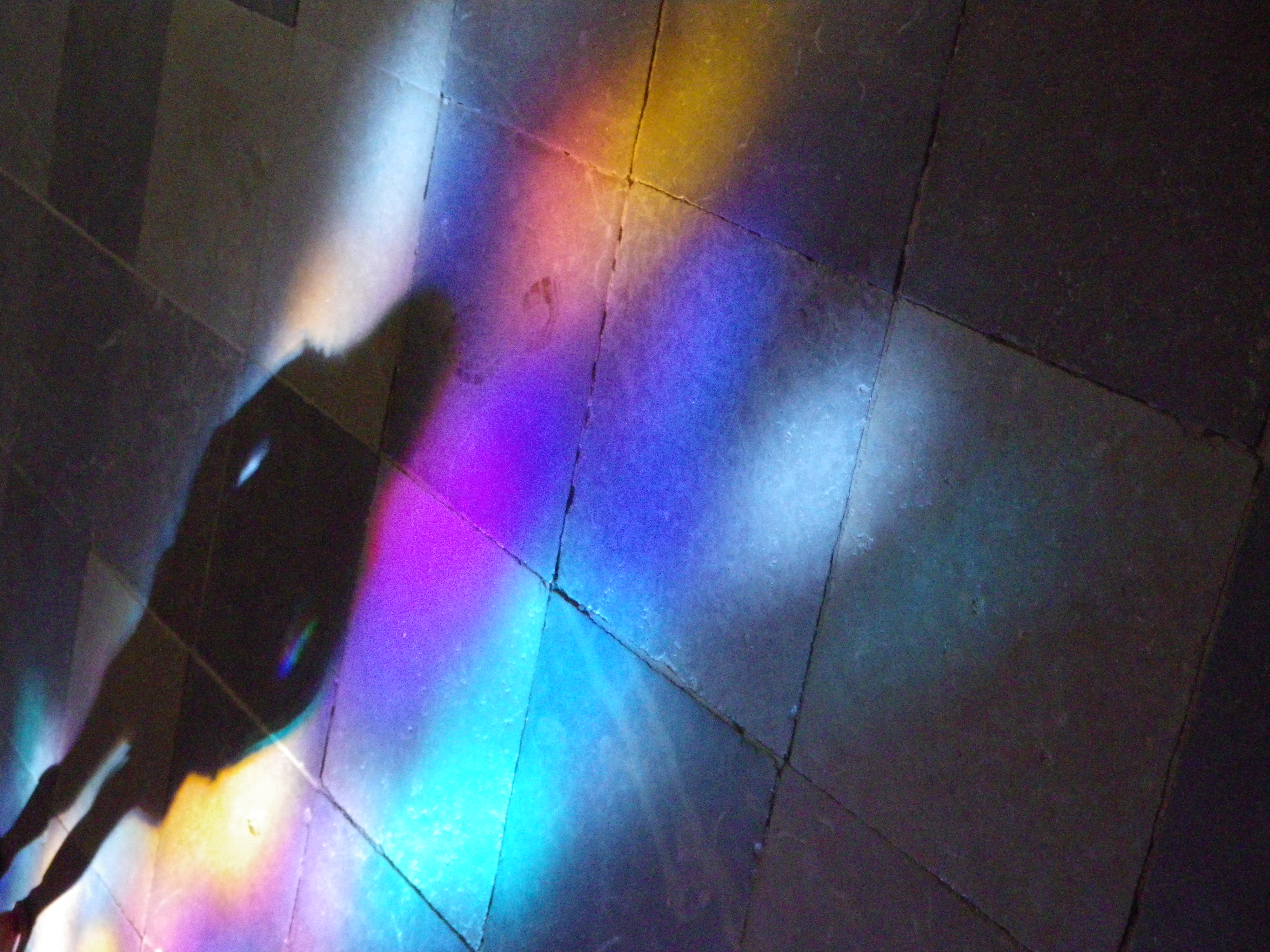
If Einstein’s insight into the insufficiency of the classical model of wave lengths to explain to his own experimental observations had anything to teach an average mind then it surely was that you have to look and consider what you see yourself and let not the explanation that others provide you with be in your way.

Thibeas’ final days

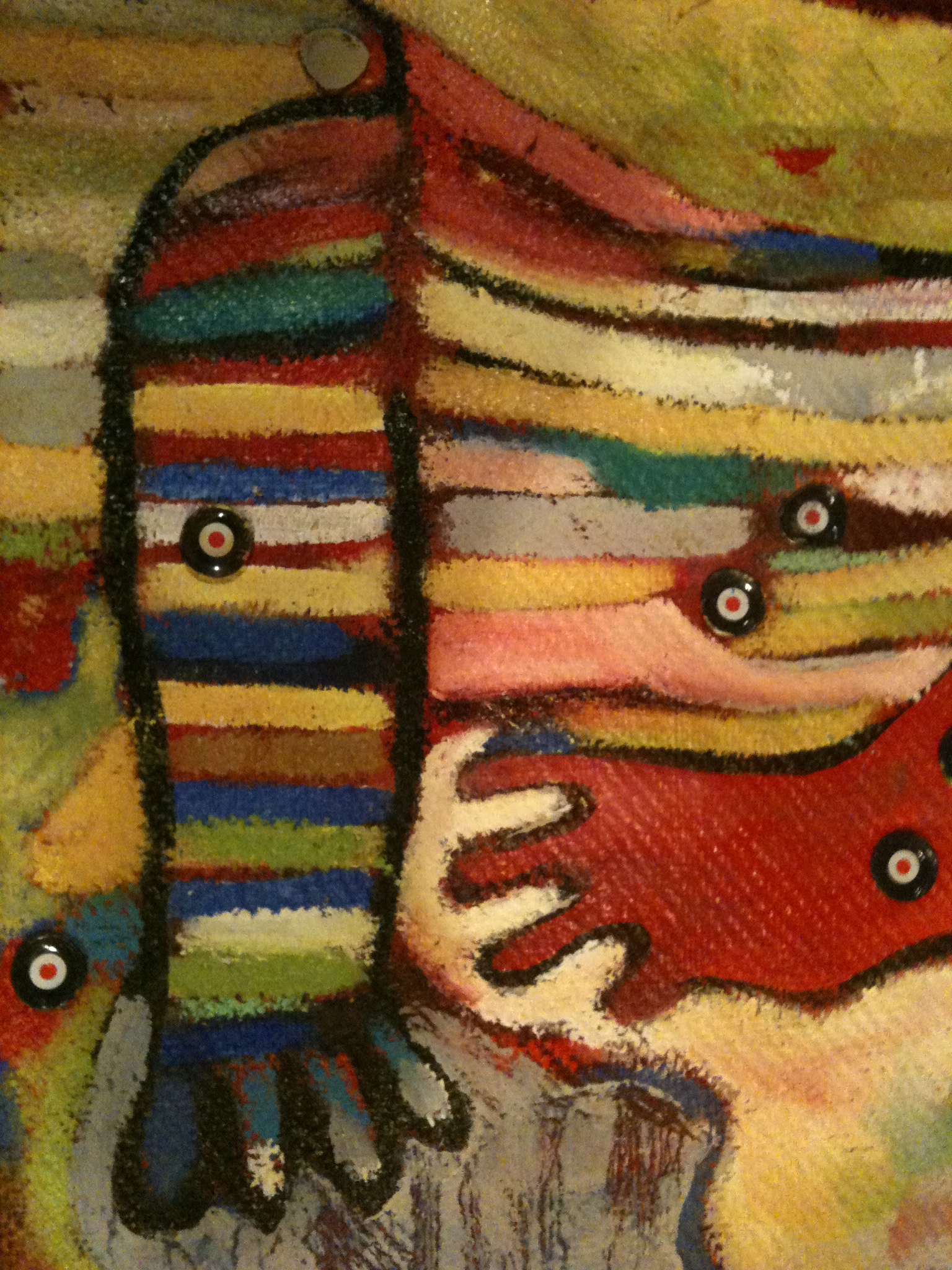
wearily, the king inspected his ragged group of counselors, the budget long since exhausted, the tin soldiers melted, the castle but a shack with weeds growing through the cracks, human miscellaneous mistakes, crooked timber all of his entourage, and yet there was a light in their eyes that the glorious days had not known, and he was glad he had taken their erroneous advice.he pointed out the fine detail of the scratched figures in the rock, the fish, the symbol of the ancient ones, which so far seemed to have gone unnoticed by his advisers whereas thibeas concluded that their travels had lead them along the old path which they had wandered unwittingly, their tired feet drudging over the worn out stones like so many tired feet before them. wonderingly now they looked back and saw indeed that the smooth surface over which they had come bore the polished colors of legend: crimson red, trout blue, slate and deep emerald.the king looked at thibeas and considered his state of mind. for days had the old man not spoken and on two occasions had he stumbled as if he was about to give up but then had gripped his staff and – without complaint – had started walking again. the king nodded and finally gave the signal which set the whole rag tag army in motion almost at once as if their feet had been craving movement, anything but to stay in this place, but alas, they walked with more care now as their feet, wrapped in woolen and leather rags, touched the mellow colored rock, polished it of the chalky dust and left deep glowing imprints on the old path. crows perching in the bare november trees cawed condescendingly as the people passed underneath. from time to time the northeastern wind soared through the high branches like an echo of the past. the recently devastated fields ahead of them smelled not like death but like freshly tilled, fecund soil only, like a promise.