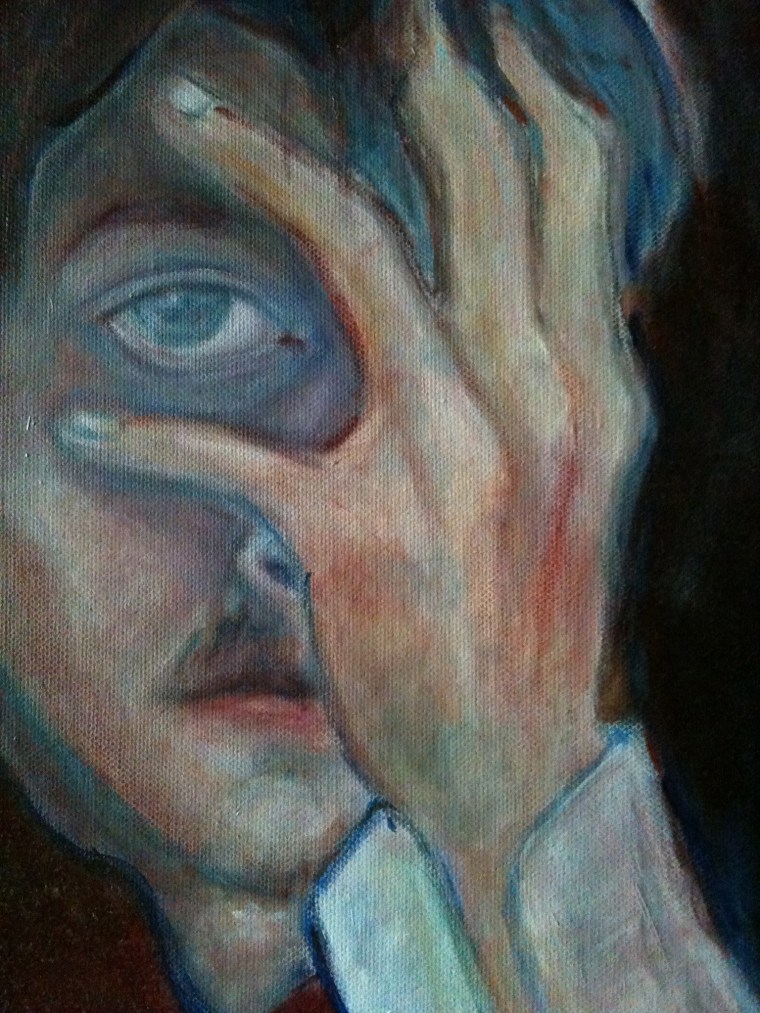
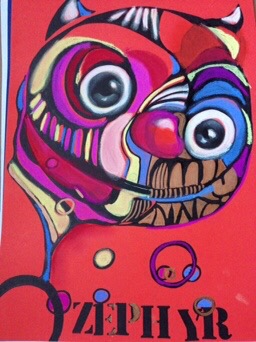
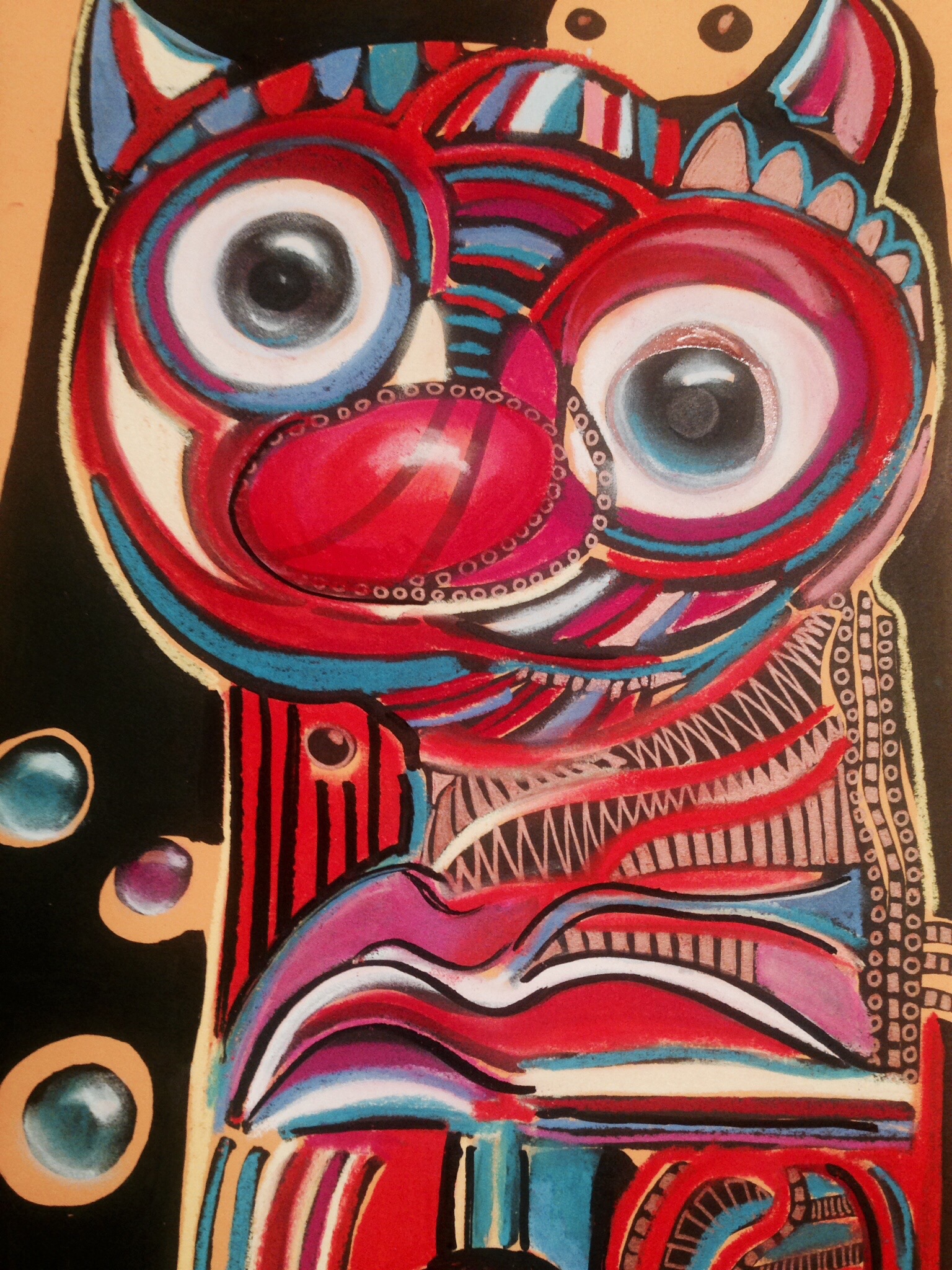
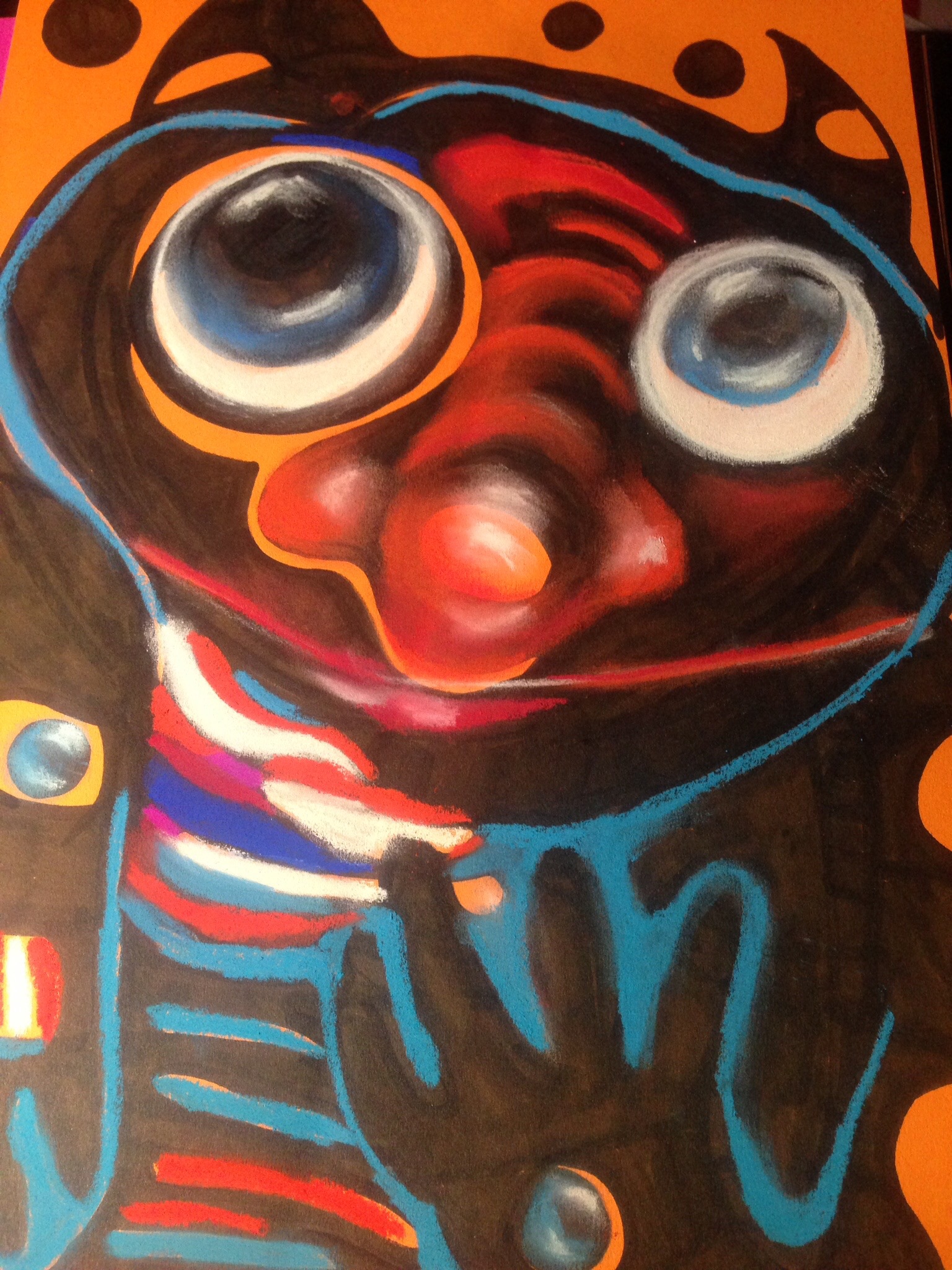
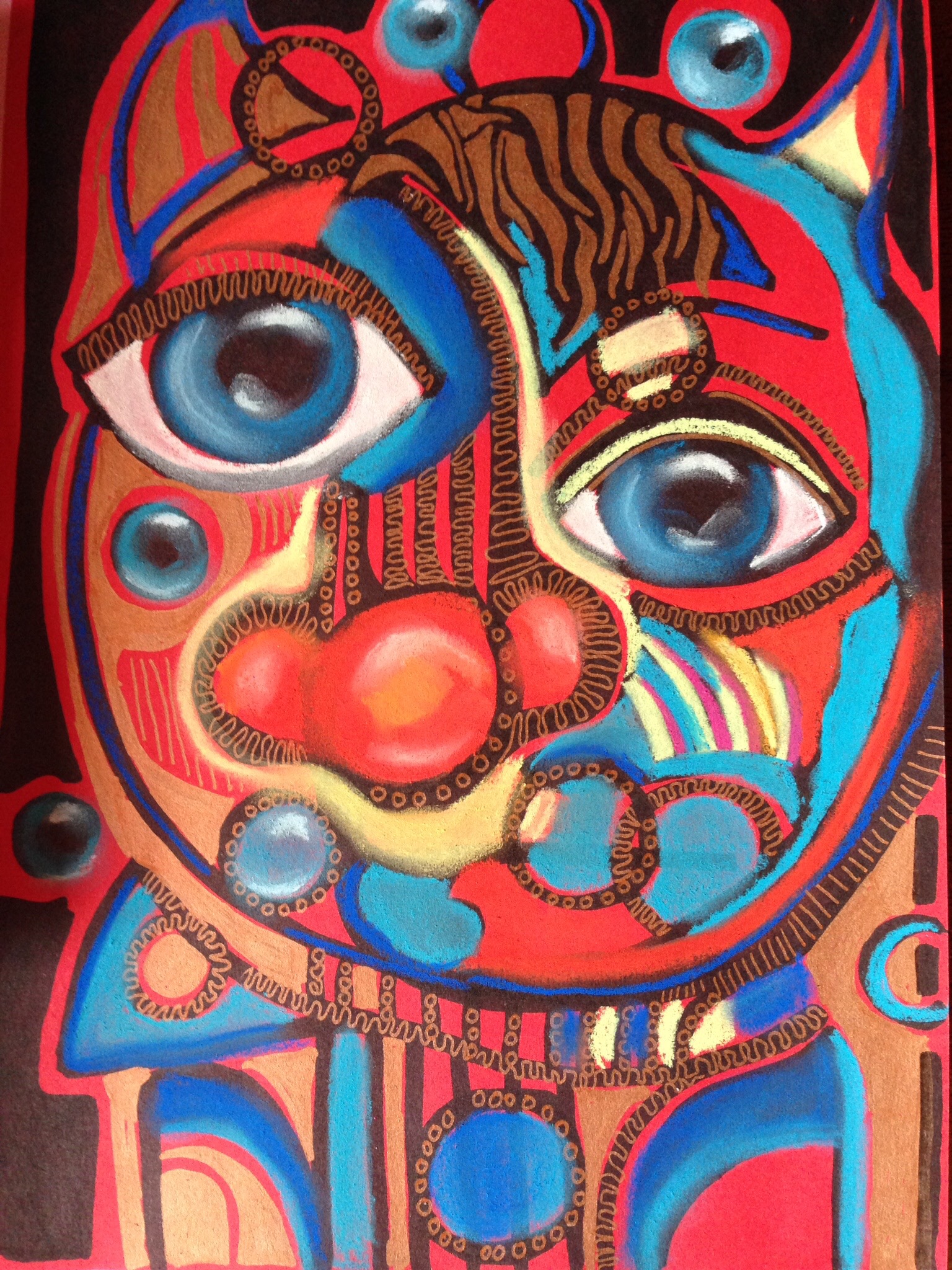
“I will be back.” Was it even meant to be a promise or rather the a mere, impulsive expression of an intent? The gargoyle pondered this question over many days, even weeks after the mason had left. He remembered the exact sound of the words, their intonation, the expression of the mason’s face, the thoughtful gathering up of the tools, the turn of the head to once again rest his eyes upon the face of the stone creature, the final words – the gargoyle relived all of these moments and weighed them, day after day.
Every day up to midday he collected small reasons why chances were good that the man should appear this day, after midday he thought of excuses why he could not possibly have made it possible to come this day but would surely be able to fit it in tomorrow or at least before the week, the month , the season was over.
Perhaps the last gargoyle had been lonelier than he had cared to admit previously or maybe this obsession with the return of the mason was just yet another way to pass time.
Waiting for something to happen, somebody to appear, seemed to be far superior to just being, even if it infused his previously peaceful existence with a permanent sense of pain, a feeling that was so close to boredom that at times he would have been unable to distinguish it.
Boredom or pain both compromise our sense of regular time passing and whereas a day had just been a day, an hour just an hour before the advent of meaning and desire (now time had a direction, time existed so the mason could bridge it, so the gargoyle could subtract minutes from the greatest distance that separated him from the return, the moment when the mason had finally turned his back on him and left the roof), now a day could be excruciatingly long, especially if the gargoyle thought to have detected sounds coming from behind the closed roof door.
Expectation, gladness, desire, wishfulness, frustration, even despair were all variations on the same theme, waiting. Waiting in turn meant the refusal to accept time for what it was; it was like a progressing illness. It never occurred to the gargoyle to abandon his unreasonable expectation and to return to stone nature in order to gain the peace he longed for. Peace seemed attainable only if his curiosity about the reason for the return of the mason could be satisfied. Time passed and the mason did not return. Eventually the initially glad expectation turned into a numb pain, over time seemingly removed from any cause. A general disappointment overcame the gargoyle, the most human of feelings, as if something that had been promised to him was now purposefully being withheld. It was as if his existence was gradually being tainted by something he could neither name nor really be completely sure of.
Time itself took notice of the unlikely creature and inexorably started gnawing at him with tiny teeth. The gargoyle still formulated his thoughts in human phrases. But instead of patiently following a thought until it moved just out of grasp and then starting all over again like a child, he had taken to a summarizing his thoughts in a more generalist way, often colored by self-pity. A second rate stone poet he was now, defeated and ridiculous, utterly grown-up and utterly human. He felt contempt for himself, for his dependence, his passive waiting, his pathetic obsessiveness but he couldn’t help himself. There was no way to stop. No way to stop waiting. Tiny cracks were forming in the rough granite surface. Defeat was looming.
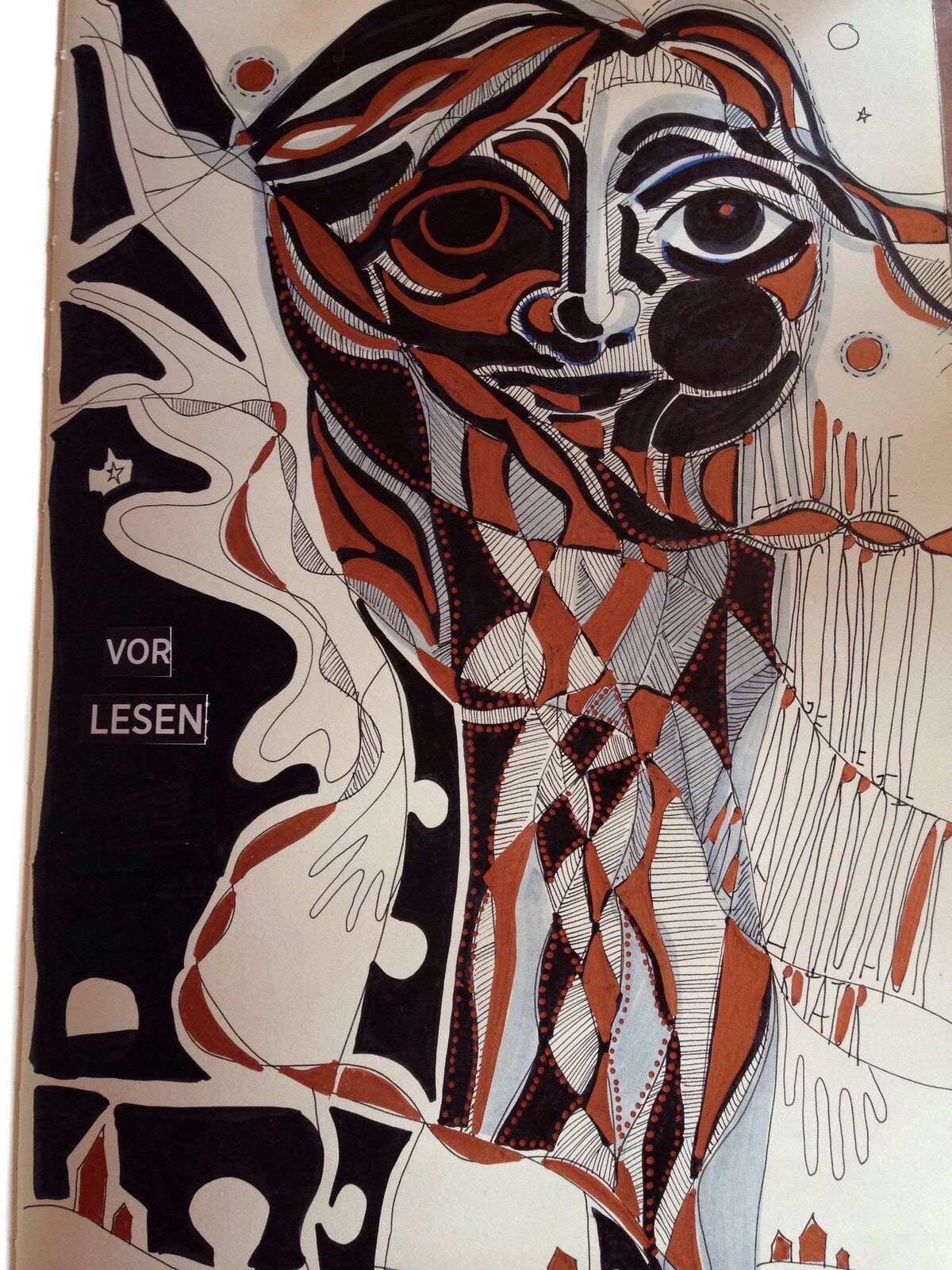
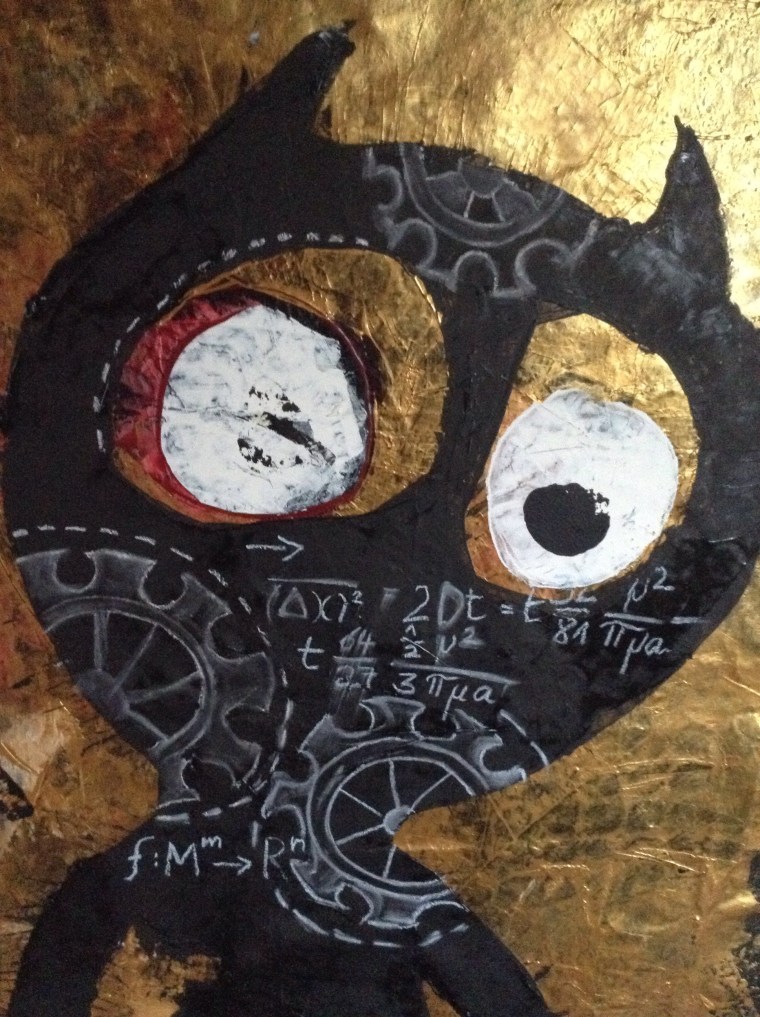 Für mich geht der Blick in die Tiefe des Universums einher mit der Erkenntnis grundsätzlicher Einheit und Leere. Nicht ein übergeordneter Weltengeist in unfassbarer Ferne, verborgen vor meinem Blick, sondern ein wirkendes Prinzip der Ordnung, dessen ich Teil bin. Separation ist Voraussetzung des Bewusstseins, Einsamkeit ist Folge der Separation, aber wenn ich meinen Verstand bemühe, so sehe ich mich in allen Dingen und alle Dinge in mir. Ich misstraue der Welt nicht, sie ist mir nicht unheimlich, und sie hat keinen Sinn, der mich versöhnen könnte. Aber ich bedarf der Versöhnung nicht. Ich fühle mich weder sicher, noch unsicher, weder geborgen, noch ausgesetzt, weder fair noch unfair behandelt. Ich bin wie der Wind über den Wassern, das Licht in den Zweigen, das Wispern in den Weiden. In mir wie in jedem Bewusstsein refraktiert sich das Bild der Welt, indem es entsteht, zeichnet es sich in einen leeren Horizont. Je klarer ich leuchte, desto einsamer bin ich, mein Verstand, mit Aristoteles, ist Licht im Dunkel, und es gibt keinen Weg zurück in die Höhle.


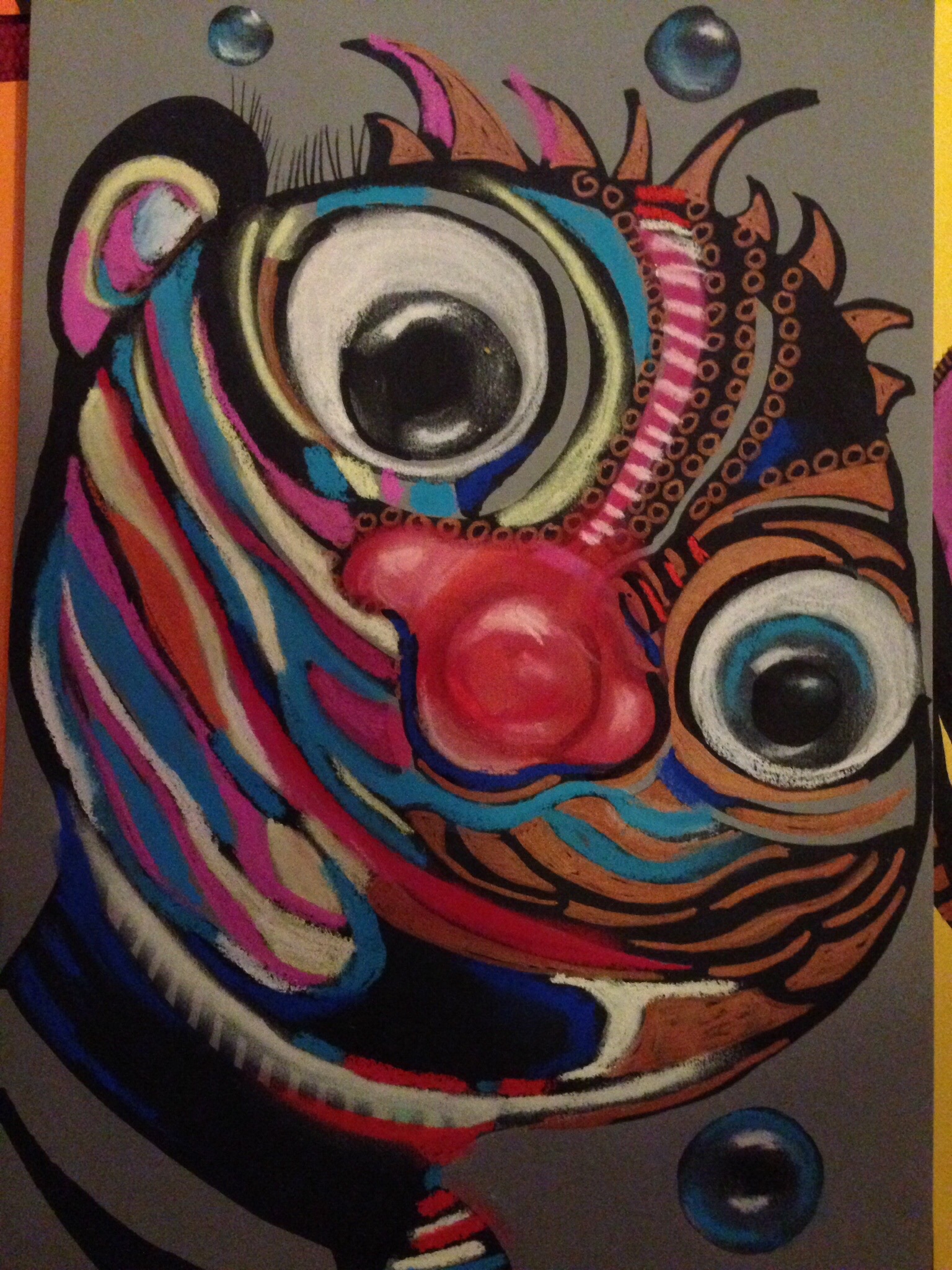
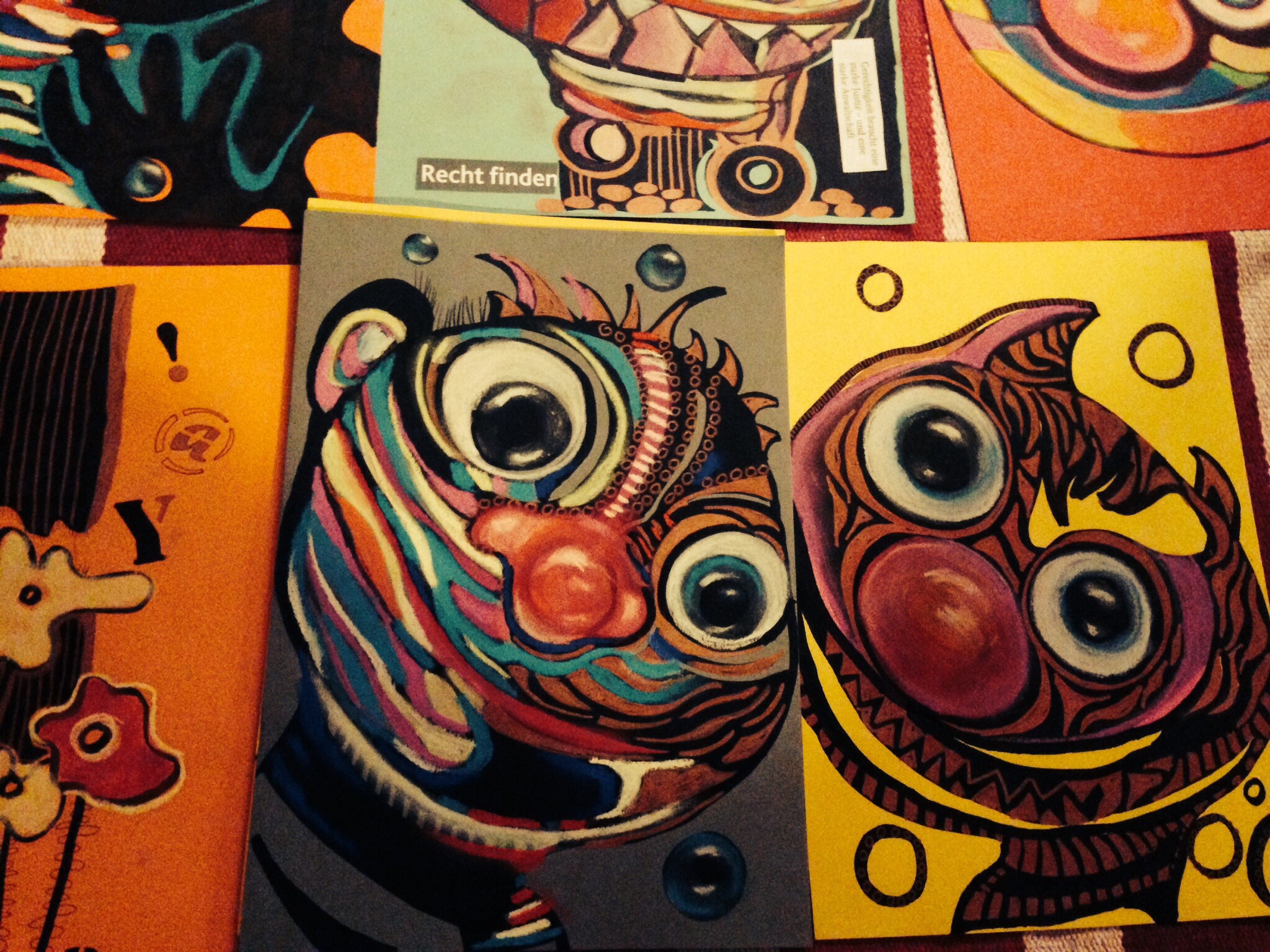
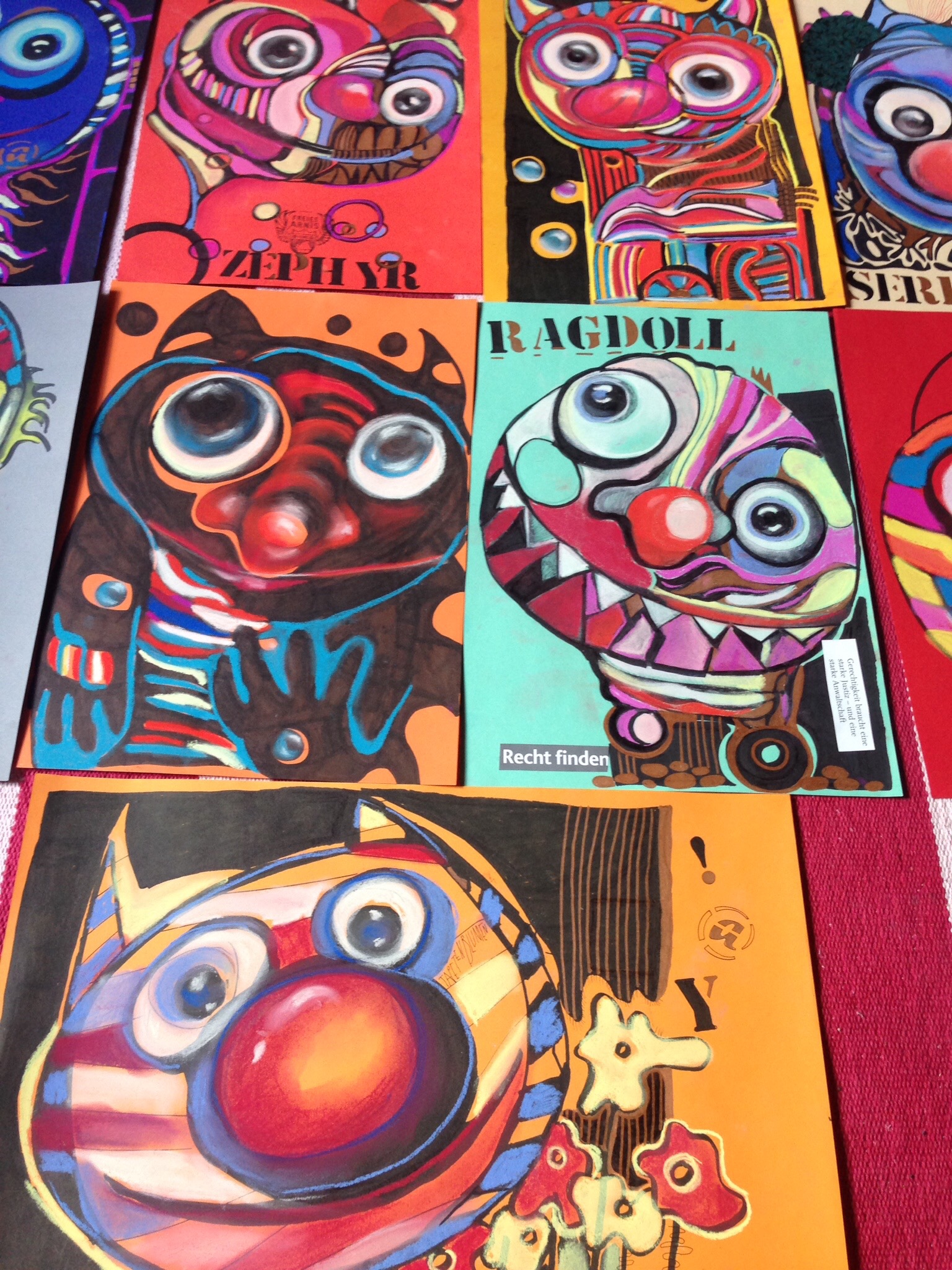
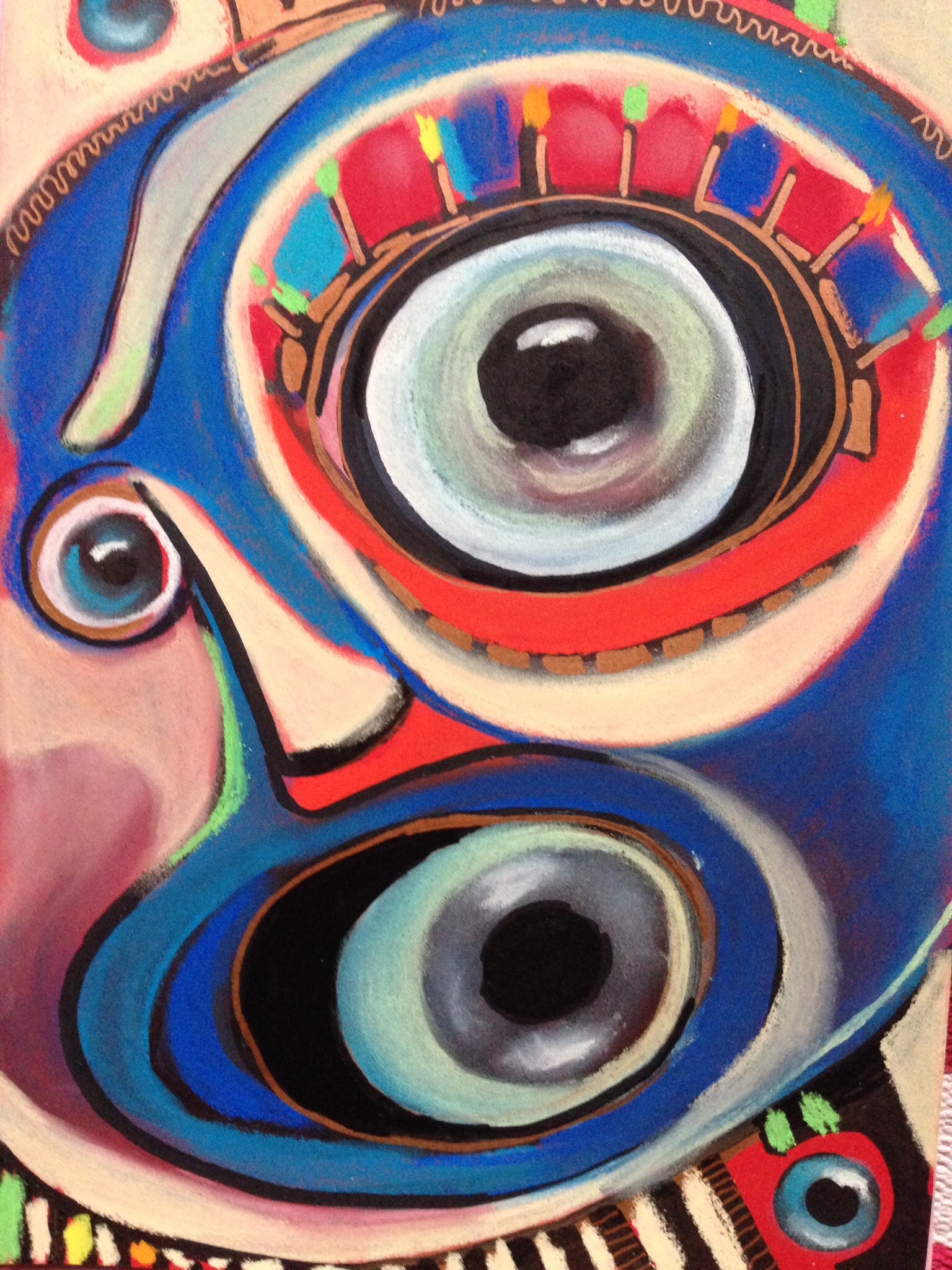
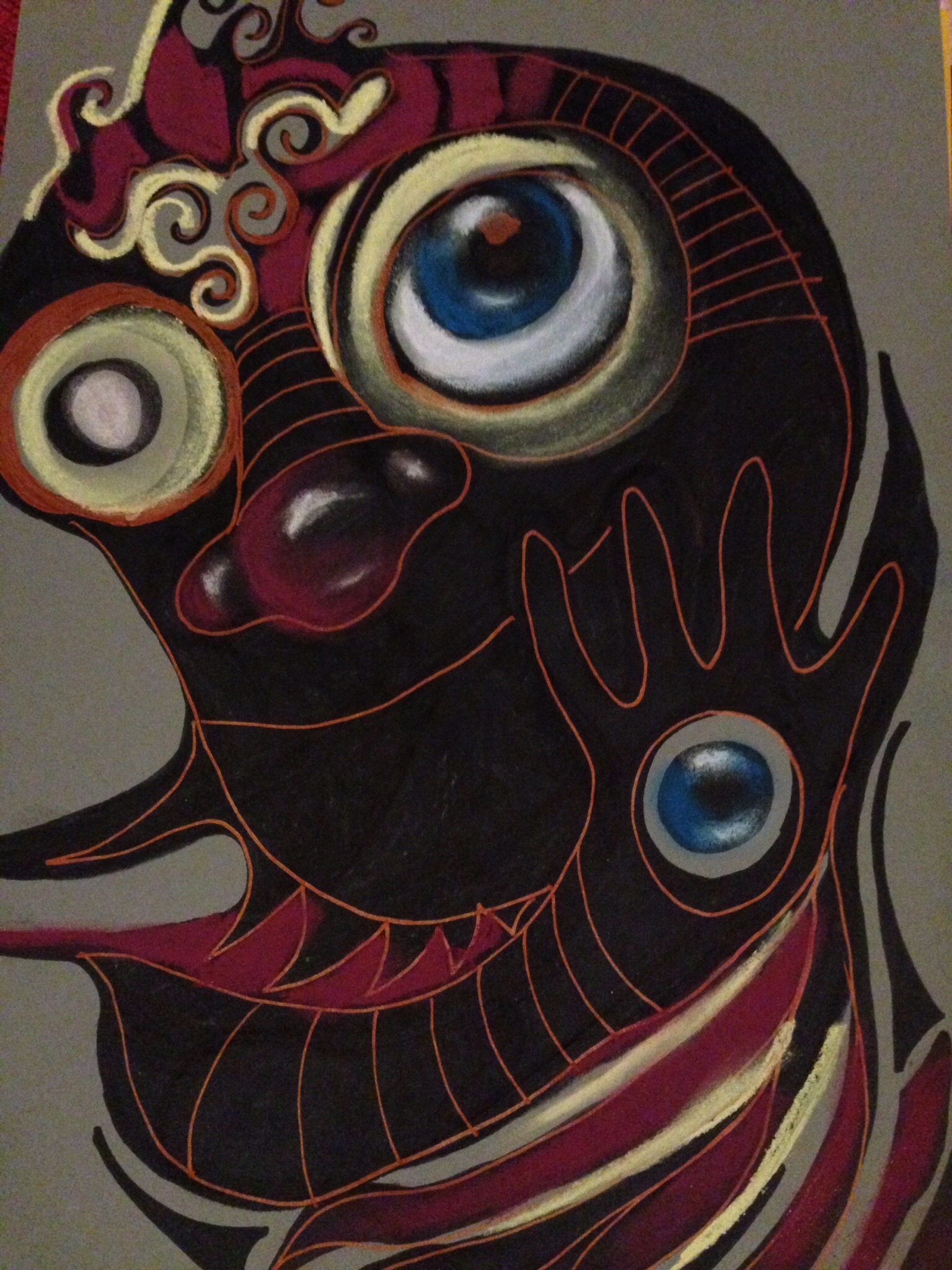
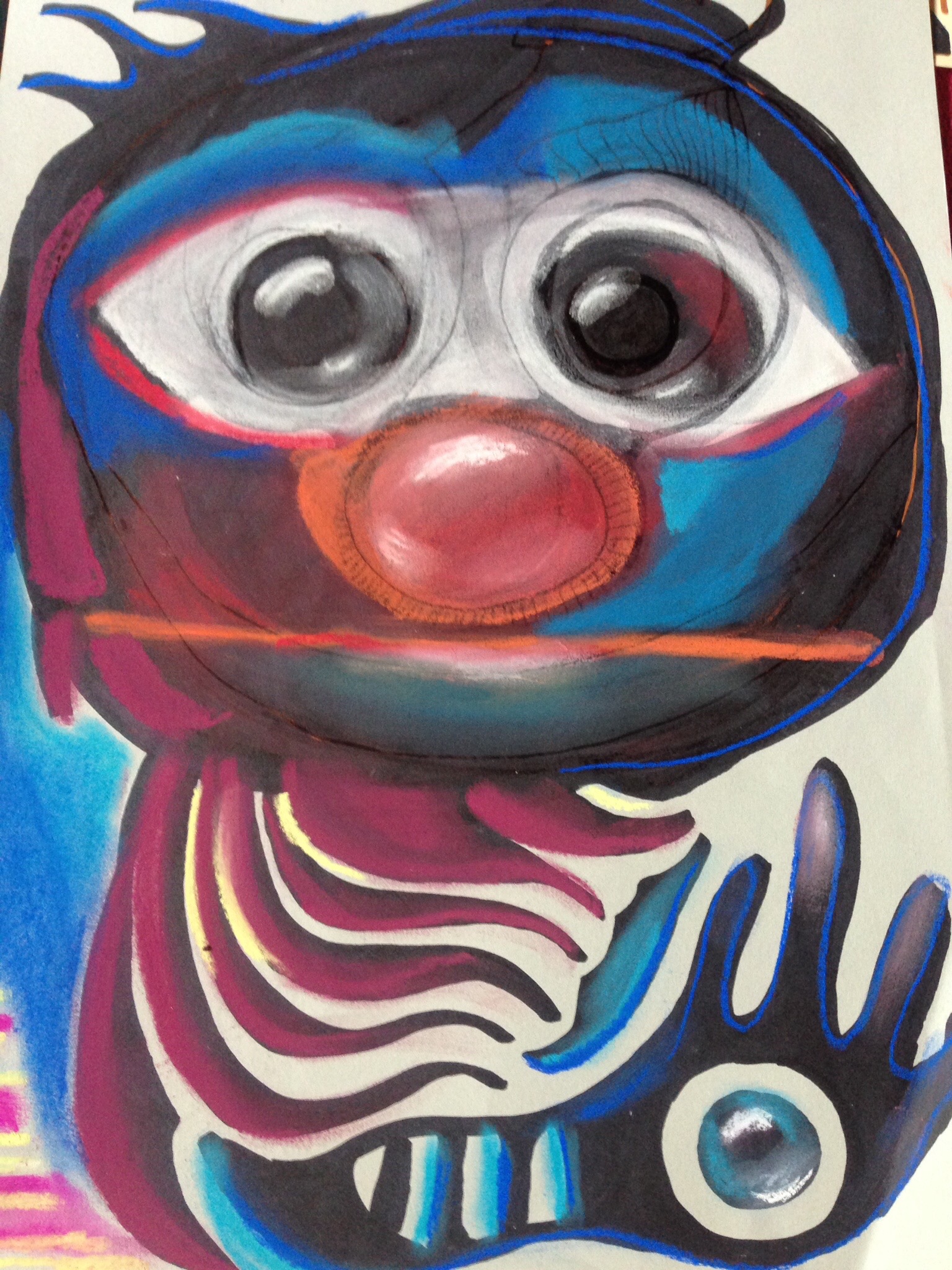
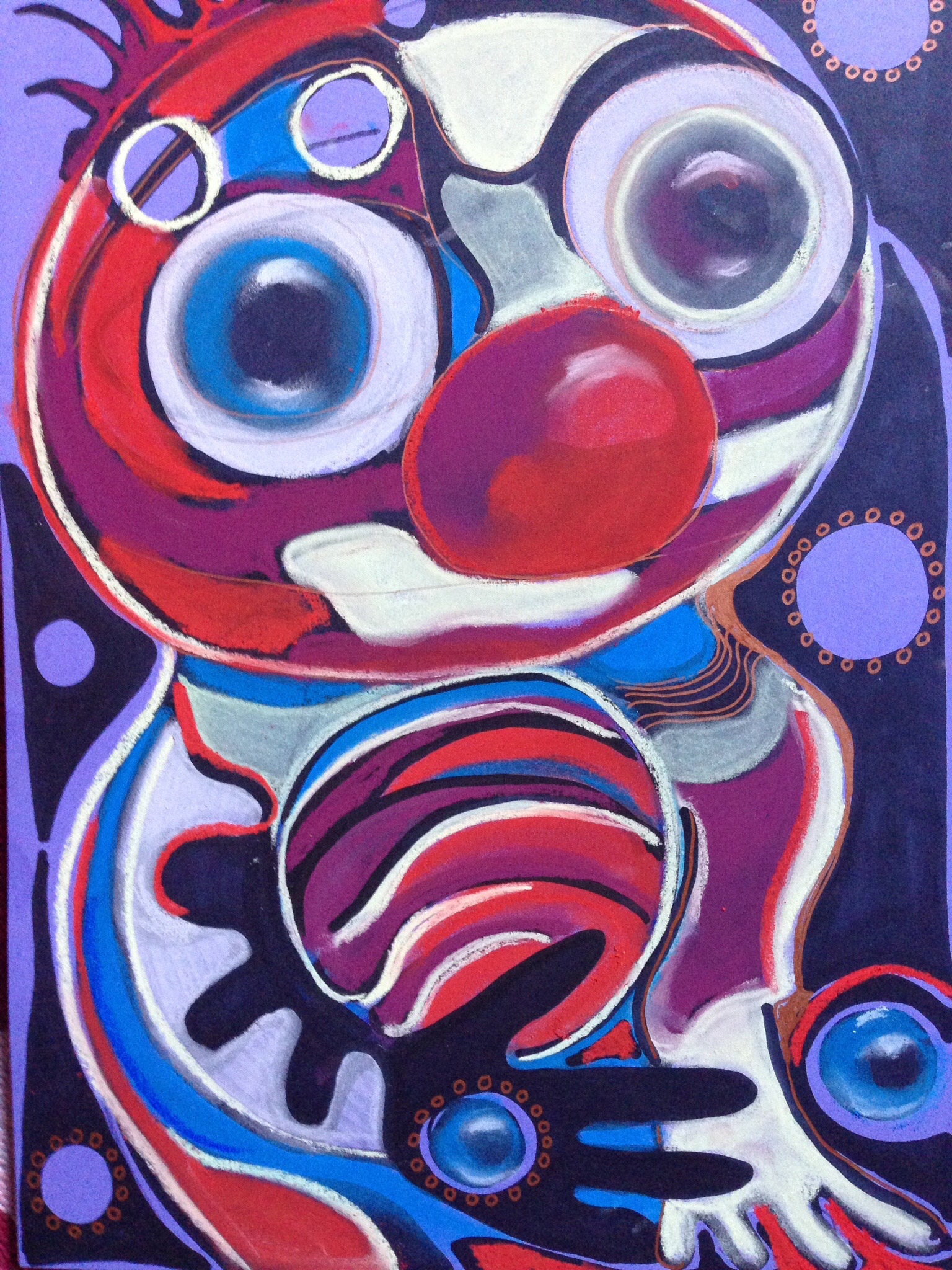

 Art & Writing