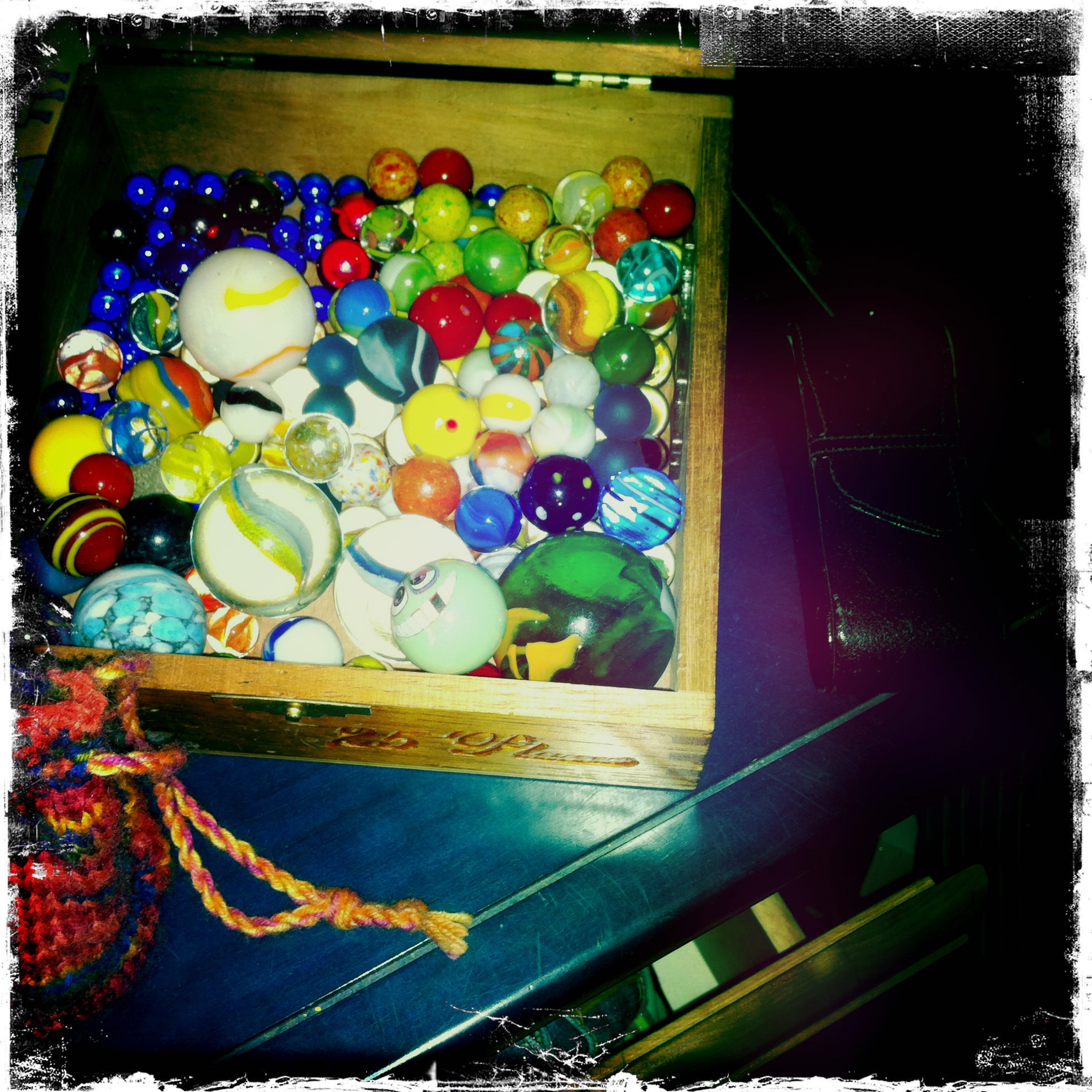
When did we forget to spin the dream, when did our world cease to hold small promises of meaning and adventure, a life time of stories still to be told? How did we grow up to forget the sensual richness of the world, the intense pleasure we can find only in simple things and moments? When did we cease to live today in order to reach for a tomorrow that we never truly know will exist – and if it does, it comes only to be given up and traded in for yet another tomorrow until there is no tomorrow left? When did we start squandering our present moments for squalid projections of who we could be if only? When did we tire of that what we have , right here and right now, the word, the discovery of nothing and everything, the breath of boredom and adventure alike?
Art and me, we have a strange and very complicated relationship. I have been chasing it with determination and desperation, and it has cold-heartedly denied me. The pain of rejected love is cruel, but I submitted to it only so long. I retreated, admitting defeat was the most dignified thing to do in this situation, I thought, and I became a lawyer. But then, surprise, instead of going its own way, art took up a habit of following me instead, never quite disappearing out of sight, yes, I would say, teasing me, challenging me.
Eventually, we made up, kind of, since then I have been treating it with respectful nonchalance,and it has been faithfully and annoyingly waiting for me ever since at the breakfast table, casually asking me: “So, what are you up to today?”, not being offended by my silence while I am hiding behind my crucially important notes for the day, while I am all business, anticipating legal arguments and dictating the first legal brief in my mind, instead asking again, equally casually: “Mind, if I tag along?”, and I – with an air of studied indifference respond: “Sure, why not?”, and out the door we rush.
And when I come home in the evening and I open my very important briefcase out tumble bits of this and that, drawings on note paper, done while I was on the phone, creatures with big eyes while I was thinking about security of data transmission, one of my new wooden drawings “Watch out while you are being watched” over a quick coffee break. At home I don’t know how to archive the mass of these bits and pieces anymore, nor where to store the heap of casual paintings done at night, JUST because, and during every free moment and I feel like I imagine the husband must be feeling who doesn’t quite know whether he is cheating on his wife when he spends time with a female friend his wife is well aware of or whether he is cheating on said female friend when spending quality time with his wife.
Garbriel Lorca, the beautiful Spanish poet who was murdered by the Nationalist Forces shortly after the beginning of the Spanish Civil War in 1936 – who really was a much better poet than an artist expressed it very much the same way, because he loved drawing, tenderly calling it his “mistress” while he stayed married, of course he did, to his writing. I remember reading in a small, illustrated Lorca volume I had bought at the Heinrich Heine Buchhandlung at the main train station of the Berlin Zoo station – a book store that was as great and complicated and deep and full of books and ideas about books as it could possibly get, probably a dependance of Borges library. I was twenty and attending classes by Prof. Robert Kudielka at the HdK, the University of Fine Arts in then still Westberlin – while actually meaning to study law at the Free University. You see, from the beginning this was a complicated thing and the small Lorca volume seem to me like an announcement of something I was not ready to grasp yet. I still own it.
I got constantly side-tracked during those years because of places like the Heinrich-Heine book store where they absolutely supported the idea of spending your entire cash worth a month of earnings at some student’s job on a heap of books you could just so carry to the register – after first staying for what seemed like days in the sacred railway catacombs, resembling a labyrinth of overpacked shelves. You’d come out with marvelous finds, books that had been hiding for decades, books unknown even to the book seller, and you and the book seller would jointly rejoice in the find, and the book seller would come up with a fantasy price for the book because the one displayed on the inside of the cover seemed – unreal. 51 cents, Pfennige, or something like this. So, you’d pay 2,50 DM, and it wasn’t a used book, it was a book that had been waiting for you to be the first owner patiently since about 1953, well over a decade before you had been born and even more time before you became literate and then some more.
I got constantly side-tracked because there were the collections of old masters in Dahlem, one S-Bahn station before Thielplatz, my law school station, and you’d only guess that I must be a somewhat decent lawyer for passing my exams besides the fact that getting off the train in Dahlem to for a small detour through the beautiful tree-lines streets of Dahlem as often as not ended up with an entire day in the collections, studying Rembrandt and Baehr and flemish artists instead or, if I made it to class in the morning, not returning from the university’s cafeteria at lunch time because it was located pretty much right next to the collections.
I am actually now practicing law, specializing, surprise, on art and law, and art still has a very sly way of side-tracking me. Maybe it has something to do with the fourteen years I spent in New York, idling away time at the MoMA and the Met, and at Crawford Doyle booksellers. Art has always influenced the Why and Where, has seduced me to accept situations I would not have dreamed of for the sake of studying a Vermeer at the Metropolitan Museum of Art, Calder’s Circus at the Whitney, or rough Miro drawings at MoMA or Gerhard Richter‘s black and white paintings at MoMA, Odilon Redon, Armando Reverón, Richard Serra, Lucian Freud, Swoon, Kiki Smith, Marina Abramović, Nancy Spero, my appetite may have been more voracious than discerning, but it found nourishment as I found distraction from more pressing questions and challenges and time passed swiftly as I was holding still, holding still and just looking and looking.At times that seems my main occupation. Looking. Thinking. Understanding. Reversing. Looking again.
Sometimes now I suspect that I do what I do – including law – because of art not despite, but I am loath to follow up on that suspicion. For now, I like the casual question in the morning, the uncertainty, the “Wow, this is still going on” and with as much determination and desperation as ever before. One could not ask for better. Want me to tag along. Sure.
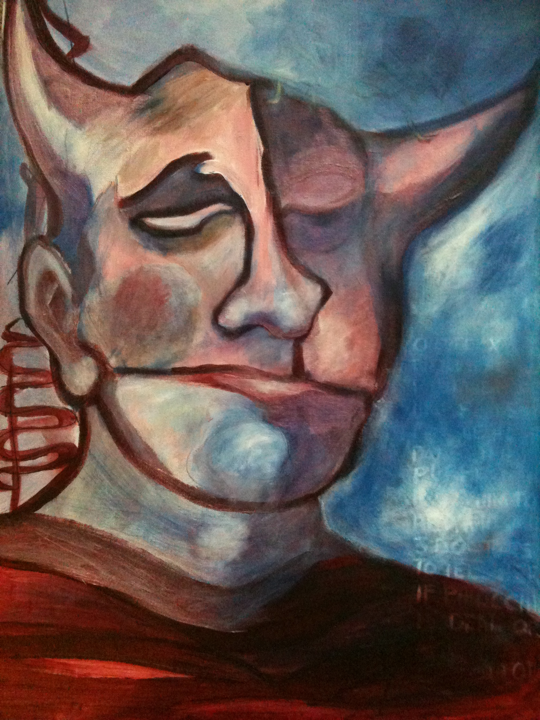
By the way, above drawing is one done on the side, complementing a serious legal interest of mine. Even as I write this blog. Who is watching you? I am still married to the law. But if you made you way through to here, you realize that I as I have spoken about “art” as a single occupation I have really referred to two loves: Writing and painting. Now, that is – almost – too much for one life. definitely for one blog article that is already stretching the limits of a reasonable article’s length. It’s a bit crowded at the breakfast table at times.
i don’t count the times
when people ask me
whether i could draw something
nice
for a change
people ask me that a lot
can’t you draw something nice
for a change
don’t think it offends me,
it doesn’t but instead
it confuses me
because, you see,
in my best artistic moments
i feel, don’t laugh,
a bit, just a tiny bit of
gonzo in me, you know,
ralp steadman,
think hunter s, thompson,
and you know where i’d be headed
if only i could
if not for the sobering fact
that i am too nice, too nice,
and so are my drawings,
and i suffer for their niceness,
believe me.
or think edward gorey,
there are moments
when i feel a bit edward gorey
in the tip of my pen,
and i cherish that moment
i even visited his house once
yarmouth port, cape cod,
going spirit hunting,
so to speak,
but my art, don’t think
i didn’t know it,
is too nice, too friendly,
too innocent,
even to be rewarded the
term “goreyan”
yes, i admire
maurice sendak,
the wild things, obviously,
dah, the night kitchen,
we are all in the dumps with
Jack and Guy
and Brundibar
i wouldn’t pretend
i ever felt Sendak in my pens,
but i should be so lucky,
and he is not nice,
he is really wild
and a synonym
for “loud greatness”
and i am just
nice
so you see
why i am confused
when you ask me
can’t you draw something nice for a change?
because all that i truly hope for
in my art
is that one day
i manage
not to
Es mag sein, dass es wesentliche Diskrepanzen zwischen der Eigen- und Fremdwahrnehmung geben mag, aber das bedeutet nicht, dass die Fremdwahrnehmung notwendiger Weise eine von der Eigenwahrnehmung überhaupt unterscheidbare Wahrnehmung einer Person ist. Joseph und Harry’s (Joseph Luft and Harrington Ingham’s) Theorie, dem sogenannten Johari-Fenster (Johari-window) mangelt es an Beweglichkeit. Das “Bild eines Menschen”, gleich ob Selbstbild oder Fremdbild, eine solche Vorstellung setzt bereits sprachlogisch einen Betrachter voraus. Ein Betrachter, der Natur der Betrachtung folgend, nimmt einen spezifischen Standort ein und sein oder ihr Urteil bezieht sich auf das von dieser Perspektive aus Ersichtliche, Sichtbare. Die Diskrepanz in der Betrachtung zwischen der betrachteten Person und dem Betrachter erklärt sich bereits aus dieser Unterschiedlichkeit des Standortes, ohne dass dies logischer Weise den Schluss zulässt, dass eines der Bilder zutreffender oder umfassender wäre. Es ist interessant: wenige Zeit später begreift der Künstler David Hockney, dass die statische Abbildung eines physischen Zustandes immer illusionär bleiben muss, Spiegelspiel – und deshalb bewegt er sich um den abzubildenden Gegenstand herum, während er ihn abbildet.Das Resultat ist eine Annäherung an den gesuchten Wert, ähnlich wie die Bestimmung der Fläche eines Kreises, und die unterschiedlichen Beobachtungen von unterschiedlichen Standorten gehen in eine organische Gesamtabbildung ein, deren wesentlicher Charakter eben das eine ist: Annäherung an einen gesuchten Wert. Zu etwa der gleichen Zeit steigt Carlos Castaneda aus seiner betrachtenden, von den Erfahrungen im englischen Common Wealth ebenso wie den Reisen des Alexander von Humboldt immer noch geprägten objektiv-imperialistischen Menschen- und Kulturbeschreibung seines Fachbereiches Anthropologie aus und versucht sich an einer ganz neuen, kreativen Art der Menschenerforschung ebenfalls von der Idee der Beweglichkeit und Veränderbarkeit des Standortes inspiriert. Ich wiederum meine, dass es keine Unterscheidbarkeit von Fremd- und Eigenbild gibt, sondern dass das Ich, ewig fragiler, elusiver Zustand, unterschiedliche Standpunkte einnimmt, und – soweit es um das Fremdbild, das von einem außerhalb seiner selbst liegenden Standort wahrgenommene, personenbezogene Bild geht – tatsächlich eine Art holografischer Annäherungsprojektion ist.
walking up some flights of stairs in the morning, taking one step at a time, my thoughts start drifting, and i continue walking, and i keep thinking, and my feet continue climbing up the first flight of stairs, one step at a time, one step at a time, and i continue dreaming pleasantly, and my feet continue walking until i grow aware that it is taking a rather long time to climb that one flight of stairs, 13 stairs at most, and while my feet are still climbing i see that i have reached the second to last step and still i climb and my feet continue to move obediently, my thoughts retracing my steps, until finally, and i can measure that time span of the last step, i have reached the first landing.
time perception of course, by its nature is subjective, but how long a dream can one dream climbing up one flight of stairs, i wonder. on the landing the grey light filtering through the milky hall way window does not admit to time passing and i almost dread climbing the next flight of stairs.
but, of course, i do, what else is there to do, but to continue. so i focus on the steps this time, 13 at most, and i am resolved not to allow my thoughts to drift.
i focus while i am walking, and i focus on my focus, and i see myself walking up that flight of stairs, 13 steps at most, while i am concentrating so hard on not dreaming, not drifting, on almost not thinking that my brain starts feeling cold.
and my feet keep moving, climbing up the steps, and i am carefully keeping my focus, and yet when i have mastered not even half the flight of stairs, i realize that once again the time it takes to climb these steps does not correspond to the number of steps i have been climbing and i freeze in the midst of climbing, one foot on the seventh step, one still on the sixth, and i have a hard look at that staircase but there is nothing out of the ordinary to be observed.
and yet i am sure of it, it takes too long to climb these stairs, and ideas start forming, offering themselves with deceptive playfulness, but i reject them because now all i want is to be done with climbing that staircase and so i continue.
trying to regain that coveted state of unconsciousness with with which one climbs a step of stairs, not observing the act of climbing, not synchronizing mind time with physical time, i pitifully fail.
again i step up and step up and step up as if climbing that staircase was a specific task to fulfill, as if i was not mastering some flights of stairs but was struggling up a mountain to reach a monastery carved out of the mountain side, as if i was following a pilgrim’s path to enlightening. i couldn’t be more aware of every single neuron firing to accomplish this complex daily task though all i crave is unawareness towards it. and i continue climbing.
on the next landing i hardly pause to contemplate what i must do as there is no alternative to walking, and i simply walk up the next flight of stairs, i walk and i walk, and by now i am not struggling against the perception of the walk that does not correspond to the space though i am not accepting it either.
on to the next. i know by now that this is and is not an ordinary staircase, that i will resume life once i reach the top but as of now my life is suspended and all that is asked of me is to walk up those steps, so i keep walking.
my unimaginative mind gets bored of this existential task, even slightly amused, rather than to be terrified, never mind that for all i know this stairway might be sartre’s huis clos and gabriel, ines and estelle might be right behind me, or i might be ines or estelle, but still my mind gets bored of this task of climbing some flights of stairs as if that was all there was to do for eternity.
when i am bored of being slightly amused by my own superior outlook on the terror of eternity i start swearing silently under my breath, but still i am climbing, and at some point i am done swearing, too, or rather i run out of entertaining curses.
so when i am done swearing , i start wondering who is going to study my briefs today, or tomorrow for that matter, who is going to review my documents, conduct my research, draft my pleadings. and after climbing another flight of stairs, i start feeling pity for myself and i sadly ask myself who is going to comfort my children and read my books and paint my paintings while i am climbing this endless staircase. and still i am climbing.
and this i do every morning. i tell you this just because you asked me whether i believe in eternity (or anything, really). sure i do.
every morning, rejecting the elevator, i do repent of my choices by climbing that eternal staircase and, for all i know, i never leave it, for all i know, i am forever walking up one flight of stairs after the other, because i do not remember ever reaching the top of it, i do not remember opening the door to exit the hallway and entering my office even though i won’t deny either that i am indeed sitting here, at my desk, drafting my briefs, conducting my research, writing my pleadings and trying to convince you if not myself that i am more than a speck of transient dust.
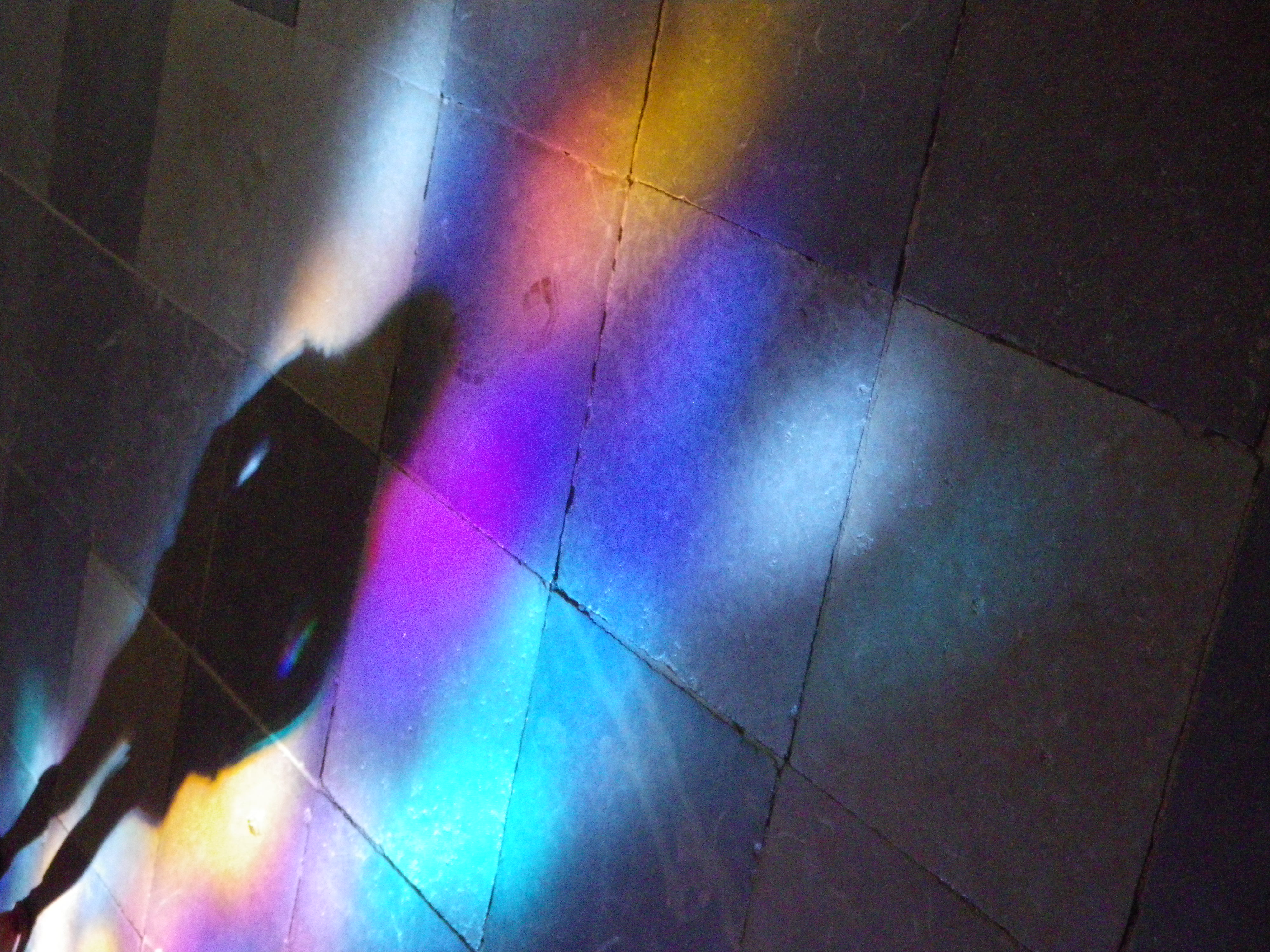
My books were still my books, but in the otherlight they belonged to a library long since destroyed, the great library of Babel, lost in time. In the grey otherlight yesterday was today and tomorrow. My books bore the name of great authors who during their lifetime had not been granted a chance to write. Who had existed like I did now, but had suffered from persecution, hunger, war, or had just had the misfortune to be born as women who had not been granted to even learn to read and write. I saw their names on the spines of the books in this library. And I was filled with a sense of gratitude to the stars of my own life, a feeling that was way too large to be contained in one person and so it just swiftly washed through me in the otherlight.
there were lights and colors washing down the cab window, there was the rain, transparent movement, the cab driving through the night, time suspended. i had memorized the painting that had been burned and now i let go of the image of the devilish creature and just looked out of the cab window, letting the city images pass by. All was said and done. My hands still carried an ashen smell.
I let go of my specific self, and I knew with quiet certainty that everything out there was coded in a simple, elegant way. The needlepoint lights of the far away office buildings were 1, and the red lights over there, the cab coming to a stop, those lights were 0, the raindrops running down the window pane like external tears were 011001, and the guy running down the street holding a soppy edition of the times over his head was, let me see, 1, for what he had just done, and 0 for his existence and another 1 for someone waiting for him with an unwelcome surprise, 101.
There was no sadness just then, no joy either, just a stillness in everything, an acceptance of now, the cab driver talking about night time driving, 100101001, and the drunken guy who had no money left to pay for the fare, 001, and the traffic and people coming from out of town, and my life was not measured by birthdays, one year like the other, my life was suspended too – and I was weightless against the dark
at times, i was barely four back then, i kept company with an ancient man in a black ribboned straw hat, gustave, uncle gustave, as he was known throughout the neighborhood. but i called him gustave.
he slowly walked down our street, with the help of an ivory colored cane, vulnerable, yet erect like a king who
though victoriously has fought his last battle and now
has nothing left to prove.
he left his sun yellow house with the forest green shutters
at exactly 2.10 pm every sunny day,
to an agonizingly slow approach of his bench,
even the birds stopped twittering and held their breath
as he was passing by
for fear to startle him.
his bench: dark green under an old chestnut tree,
facing away from the the bay, towards the street.
he carefully sat down, pulling up the legs of his dark suit,
and i climbed onto the bench right next to him,
but threading my legs through the wooden lattice of the back rest
i saw the silver water of the bay, the light caught in the crescents
of the small waves the undercurrent stirred up.
he looked at the street, I looked at the bay,
and we were silent
or talked in low, whispering voices.
we both knew he was dying,
right there and then,
and then for some more weeks to come.
we did not mind,
neither the three nor the ninety-three year old,
i had not been alive for the longest part
of his life,
and he would be dead for the longest
time of mine.
They never talked to each other of their feelings. After a while it was difficult to say whether they didn’t talk because they didn’t want to deepen the grief in the other, whether they were anxious that even the one person they shared their grief with would not be able to relate to its depth or even feel hurt by it – or whether it was because they were guarding their own grief with a certain possessive jealousy. The spring changed their marriage. It was the first time they did not talk to each other about something that kept their minds occupied. It became more difficult to talk about the daily life as well.
Thus they were quiet in each other’s company. Iris was dedicating herself to creating miniature watercolors, none of them larger than the palm of a woman’s hand, some as small as a postal stamp. She used the finest brushes and worked deliberately slow. She had perched a nature encyclopedia on the kitchen table and truthfully to nature had copied illustrations of small insects and birds, placing them in imaginary and impossible landscapes filled with a soft green light that on better days implied a spring day, on days of more severe depression dark and damp shadows.
on an early winter’s day a small girl is contemplating the fine layer of ice that, over night, has been glazing over the surface of the fjord. the fine glass is firm enough to carry a duck sliding more that waddling on her webbed feet, making towards the dark canal of open water a fisher boat has left in its wake this morning. it is a comical sight to watch the duck struggling to make progress on the polished ice, the bird looks like harpo on skates.
a little further off the shore a small lake has been kept open by another group of water birds continuously swimming to keep their hole from freezing over, among them two swans who for the time being have resigned themselves to the company of the more common water fowl as their attempts at escape have been defied by their weight.
the girls narrows her eyes as she tentatively put one foot out on the ice, holding on to the orphaned pole the boat upon its return will bet tied to. a large bubble of air that somehow has been trapped underneath the ice near the pole displaces itself under the weight of the child’s feet and causes the ice to sigh. the child smiles with appreciation.
she is old enough to realize that the surface that will not carry a swan’s weight will not carry her own. furthermore, she has been firmly instructed to never walk on the ice before being told that it is safe to do so.
but no ones knows that she is as fast as lightning. they don’t know that she can make herself as light as a feather by breathing just so. with her eyes she follows the path her light foot would take, by a split second faster than the breaking ice. she would reach the other shore before the fjord could ever hope to claim her, she can see it now, can see herself running out there, triumphantly, defying nature and convention in one glorious run.
 When did we forget to spin the dream, when did our world cease to hold small promises of meaning and adventure, a life time of stories still to be told? How did we grow up to forget the sensual richness of the world, the intense pleasure we can find only in simple things and moments? When did we cease to live today in order to reach for a tomorrow that we never truly know will exist – and if it does, it comes only to be given up and traded in for yet another tomorrow until there is no tomorrow left? When did we start squandering our present moments for squalid projections of who we could be if only? When did we tire of that what we have , right here and right now, the word, the discovery of nothing and everything, the breath of boredom and adventure alike?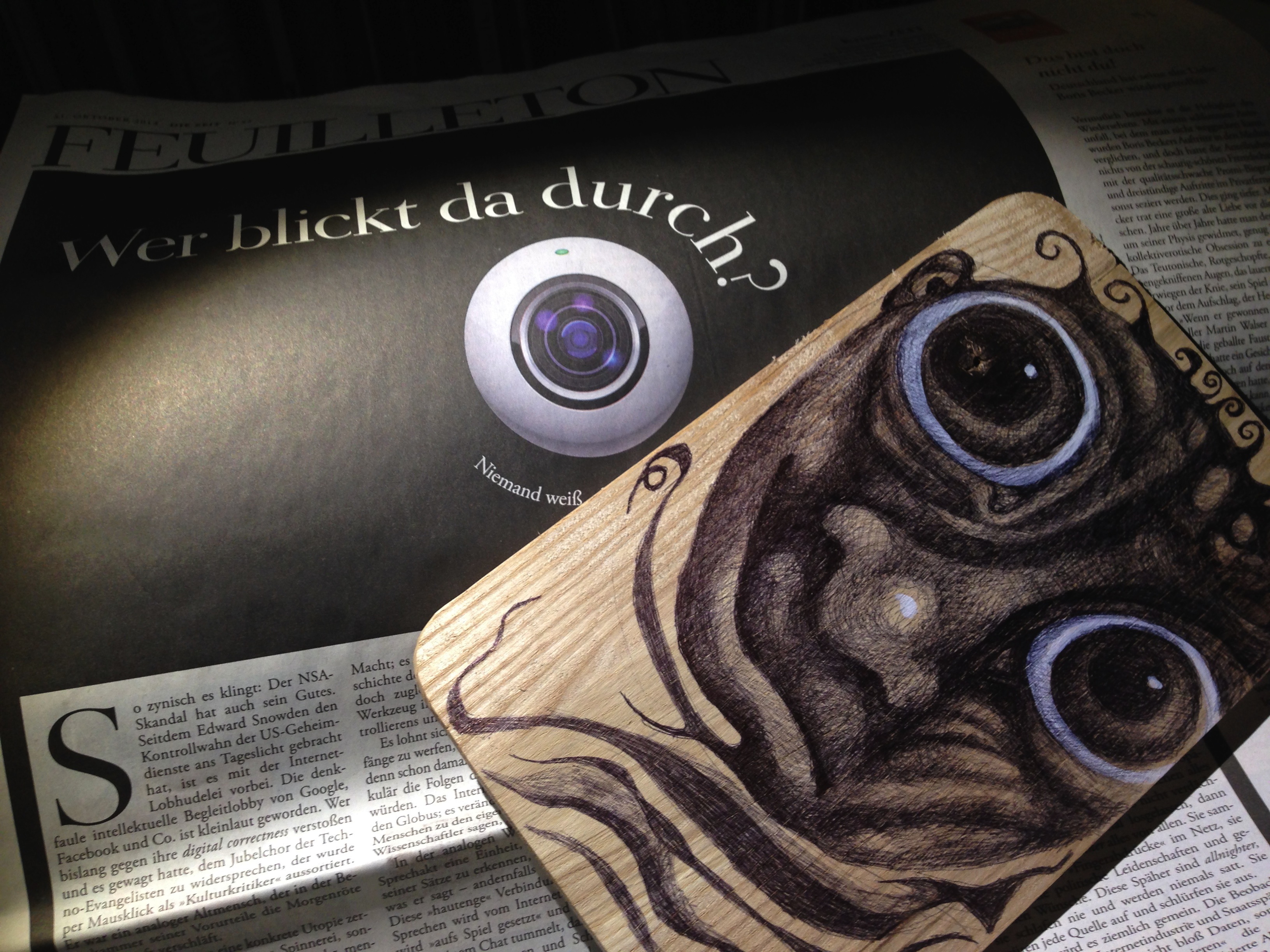




 Art & Writing