betrayal
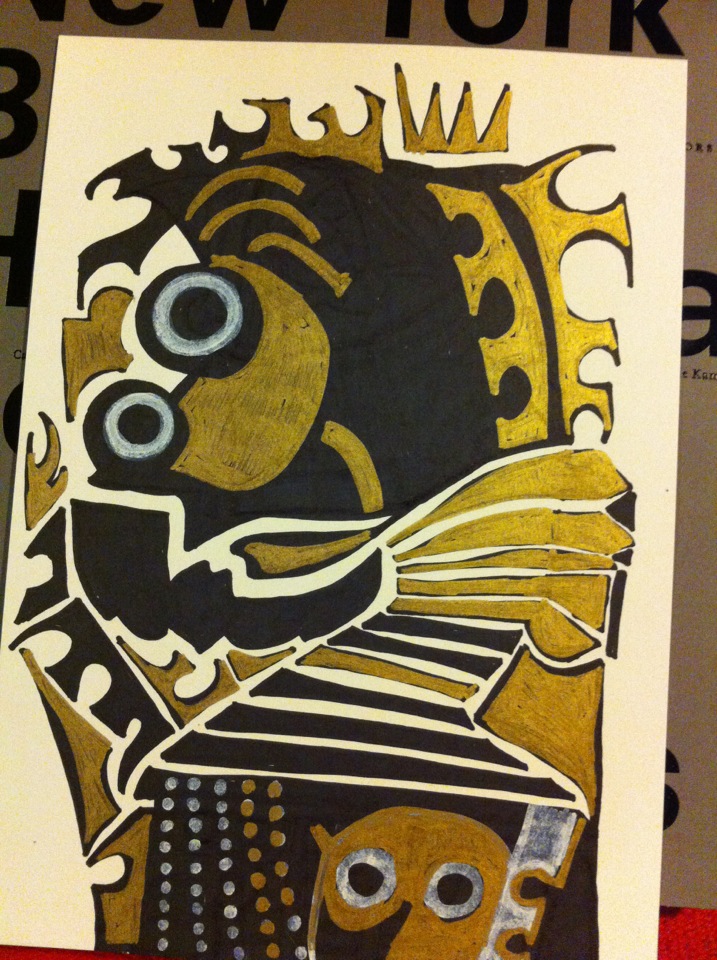
the death of his unborn son,
for the stonemason
it felt like a betrayal.
death was to be
a professional matter,
something to take place
in the realm of his customers,
who commissioned him
with carving memorial stones
for their dead,
not something to occur
in his own private life.
does not every profession
come with a privilege?
was it unreasonable
to expect a reprieve from death
as long as he carved memorials,
folded hands, lamenting angels?
he felt he had been let down
though by whom
he could not have said.
an atheist
in the service of the church,
loosing his unborn son
felt like a disciplinary measure
for his godlessness.
he had a system of inner convictions
unacknowledged rituals,
replacing religion.
he held on to the sacred
in the profane
he did not believe in a creator,
an organizer, a final judge,
and yet
he knew to have fallen from grace.
and no place to handle his complaint.

 Art & Writing