First Amendment questions, excerpt from my new novel in writing
 “Why wouldn’t they?” Fiona retorted. “Doesn’t everybody crave freedom? Every single person? And especially those who are bound by a contract to obedience?” I gave this some thought. I wasn’t sure. That everybody craved freedom, was that really self-evident?
Freedom was a constitutional right where I came from, though if you had a closer look at it, the Constitution didn’t put it that way, it didn’t just say “freedom”, it was much more specific. I had struggled with unanswered questions about the First Amendment in school, questions my teachers had not been willing to address and other students not willing to discuss. The US Constitution was just part of our curriculum and it was as dull a topic in school as calculus. I understood that the First Amendment guaranteed political freedom. It didn’t address the question if freedom was attainable for the individual, it didn’t line out how we would have to imagine freedom and also not whether most people regarded freedom as high on their list of priorities as say convenience or security. Freedom as guaranteed by the First Amendment was an instrument to obtain the many different things people craved, the one instrument that made sure, people could pursue different goals in life unhindered by their government, ranging from money, to power, to self-expression. But if there existed such a thing as “freedom” in a way that was more profound than a kid’s wish never to be told no, that the constitution did not say. The First Amendment gave evidence that certain elements of what must constitute freedom had at some point gained enough political momentum to be written into stone. Congress shall make no law respecting an establishment of religion, or prohibiting the free exercise thereof; or abridging the freedom of speech, or of the press; or the right of the people peaceably to assemble, and to petition the government for a redress of grievances. We had had to learn this in school by heart and I recited it to the girl Fiona while I was putting the kettle on the range. I had refilled the kettle with fresh water this morning after tea as I did every morning. Ah, yes, said Fiona, but that is history, is it not. I was stunned. Sure, it was history, but it seemed to me that it was less history to Fiona in a time that was clearly just post-revolutionary than to me, who was born after the Civil Rights Act of 1964. Fiona continued still. We all know that the the only moral commercial transaction is one truly voluntary on the part of the buyer and the seller. And the same must be true for any personal contract we sign when we are asked to join the congregation. We all crave freedom, continued Fiona, but we must lead a moral life or else we have no hope. I thought that sounded like she had learned it by heart. I couldn’t tell whether she believed it, too. Or whether she had ever questioned that belief if she did. Her voice was almost neutral.
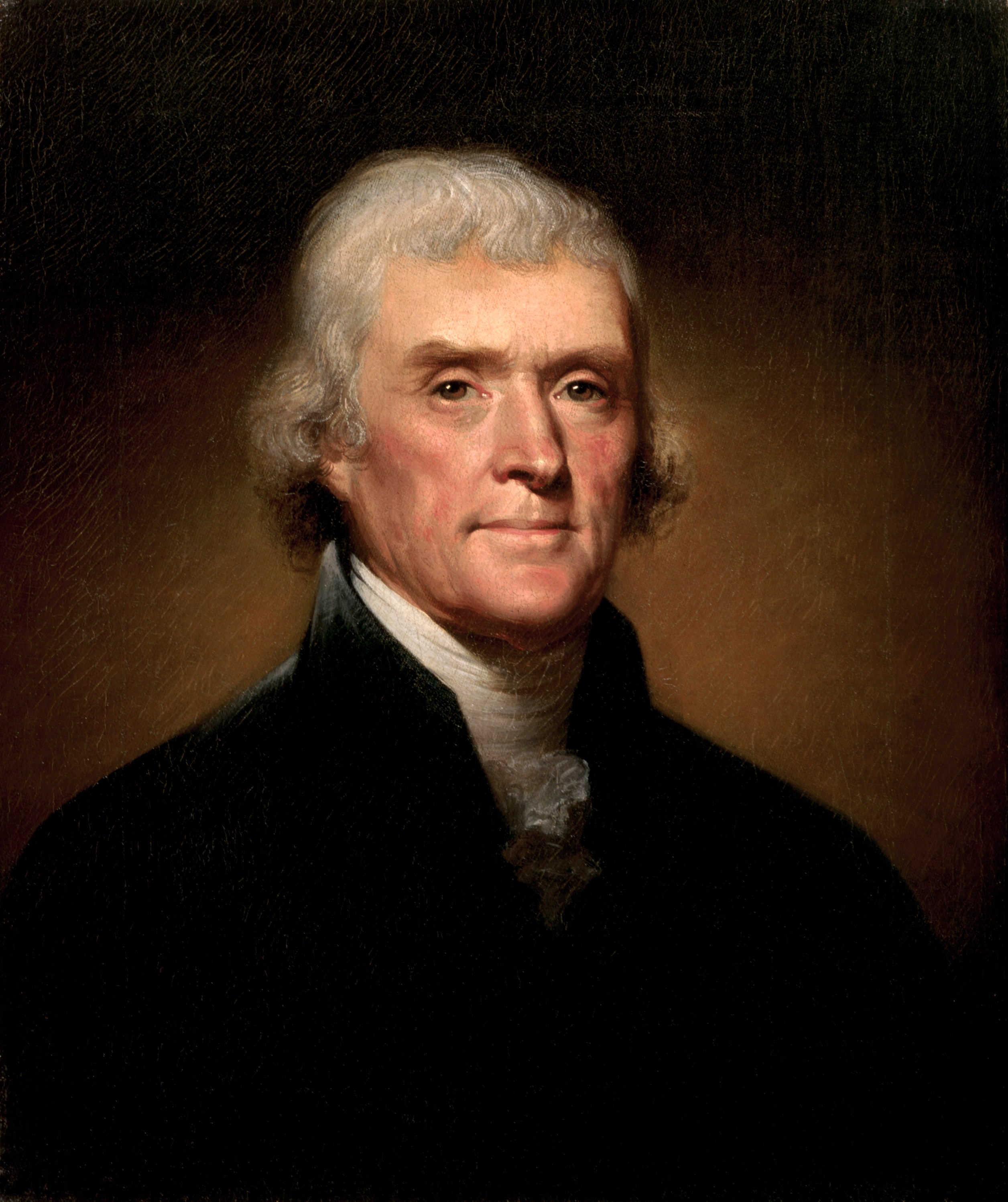
I recognized the Thomas Jefferson quote. My father had once cited that line by Thomas Jefferson. That was before the divorce and when my parents still loved fighting vehemently over politics instead of engaging in the bitter and rather quiet discussions of personal matters just before the end of their marriage. But my father had cited Jefferson in a completely different context than Fiona did. I put the leaves and herbes into the tea pot as Aunt Melissy had taught me and tried to sort out my questions. You mean, I said slowly, that you use your freedom to decide whether you want to be bound by the rules of your congregation?


 Wir saßen auf den Steinen der Mole und froren trotz der Sonne. Am Morgen waren die Temperaturen noch nah am Gefrierpunkt gewesen und die Sonne hatte noch nicht die Kraft, die Steine zu wärmen. Das Wasser war ebenfalls noch frostklar, erst später in der Saison würden Algen es grün färben. Etwas weiter draußen saßen zwei Kormorane auf den Steinen und hielten ihre Flügel prüfend in den Wind. Ich hatte die Kapuze tief ins Gesicht gezogen, aber tatsächlich kam die Kälte direkt über meine Sitzfläche, weshalb ich versuchte, nur mit einem Knochen auf dem Stein zu hocken. Siri machte die Kälte nichts aus. Ihr hellblondes Haar flatterte im Wind, während sie ins Wasser starrte. Schließlich, mein Hintern war schon taub, stieß sie mich an und deutete ins Wasser. Ich hatte schon gestern befürchtet, dass sie es bemerken würde. Vielleicht hatte sie es auch schon gestern gesehen. Konnte man nicht einschätzen, Siri war gut darin, Dinge für sich zu behalten, wenn sie es wollte. Die Steine, auf die sie wies, lagen unter der Wasseroberfläche, sie stützten die Mole von der Seite. Sie waren andern geformt als die groben Feldsteine, auf denen wir saßen. Sie waren flach und schützten die Mole wie ein Schuppenpanzer. Dennoch hatte das Eis einige von ihnen angehoben und neu abgelegt, so dass man jetzt im klaren Wasser die verwaschenen Inschriften lesen konnten. Es waren Grabsteine, das wussten alle, die hier lebten. Irgendwann lief die Pacht für die Gräber aus, dann wurde das Grab ausgehoben und für neue Bestattungen freigegeben. Und die Steine fanden unter anderem Verwendung an der Mole. Ich hielt die Luft an und sagte nichts. Das hier konnte überall hin führen, also hielt ich den Atem an, zählte bis 8, atmete auf 7 aus und langsam auf 4 ein, bis meine Lungen voller Luft waren, dann hielt ich den Atem wieder für 8 Sekunden. Wenn ich mit einem Atemzyklus durch war, streckte ich einen Finger aus der in meiner Jackentasche geballten Faust und atmete weiter. Als ich drei Finger gestreckt hatte, ging es los. Sie strich eine Strähne hinter die Ohren zurück. Ich konnte sehen, dass sie aufgebracht war. Sieh Dir das an, sagte sie, und ich sah hin und hatte keine Ahnung, was jetzt kommen würde. Also hielt ich noch einmal die Luft an und zählte bis acht. Die Inschriften waren kaum noch zu lesen, Die Strömung und der Sand hatten ihre Arbeit getan und die Namen nahezu ausgelöscht. Ich atmeten wieder aus. Es stört mich nur der Gedanke, sagte sie plötzlich, wie lange man tot ist. Ich meine, man sitzt hier, und die Zeit tickt so ganz gemächlich davon, und jeden Augenblick habe ich einen Augenblick weniger zu leben. Jeden Atemzug einen Augenblick weniger. Aber tot ist man für immer. Es ist nicht so, dass eine Sekunde des nicht mehr Lebendig Seins etwas von der Zeit des Nicht Lebendig Seins fortnähme. Nur das was bereits war, nimmt etwas von dem, was jetzt noch kommen muss, Unendlichkeit. Tod kann nur deshalb nicht unendlich sein, weil ich schon einmal gelebt habe. Aber dann hält die Zeit an und alles Warten der Welt macht es nicht ungeschehen. Die Strähne hatte sich wieder befreit und sie strich sie erneut zurück. Es stört mich einfach, sagte sie noch einmal, dass es so lange dauert.
 Art & Writing