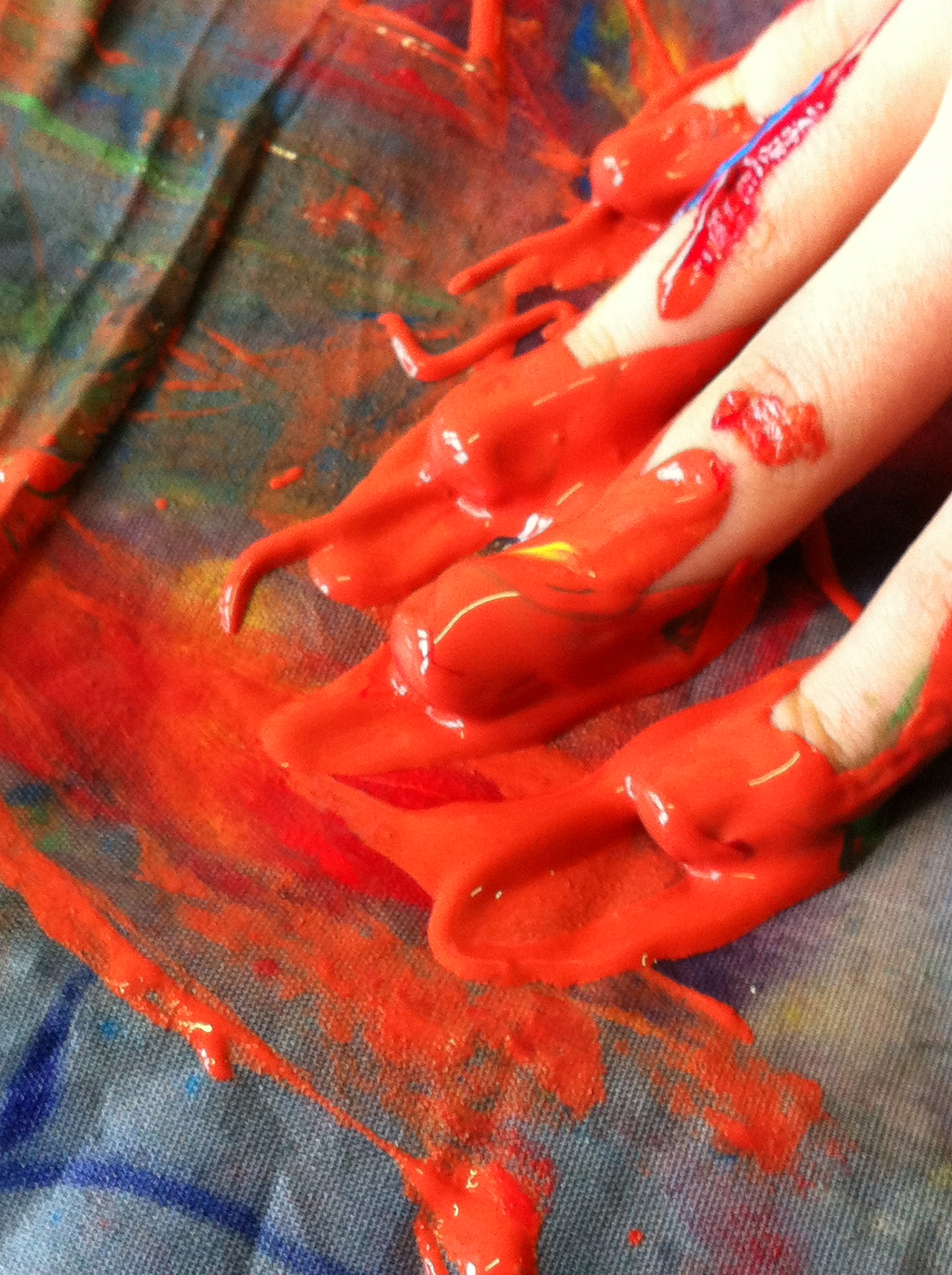
Artist’s logic: to a friend who just celebrated an important birthday, (isn’t any birthday?)

While I travel between two very different worlds, one might just as well say, universes, between the paper world of the lawyer backed up by the many stories and needs of my clients, as different from one another as one can imagine, and the turpentine world of art, the stark smells, the mess, the need to tangle that which has just before been neatly ordered, backed up only by my own perception of the beauty of randomness, my need to stretch beyond the confines of an individual biography and yet of course always landing face first back in, well  if not in the mud then at least in a bucket of paint like any other clown in business,

while I travel between these worlds I feel entirely grateful that for some random reason I have been given the gift of intense pleasure in all these fragments that might never amount to much, not make a front page but at any time give me a sense of wonder and awe of the wild twists and turns. How I wish you would, too, I mean, take intense pleasure in what is, not fear how much or how little there is to come. Take the deep breath and dare to live this imperfect, strange, angst-ridden, beautiful, funny, short, long, light, dark thing called a life. How I wish you’d get to be just you, not judge yourself nor let yourself be judged by others while you lay down, if only for a moment, the burden of your insight.

Here’s to the wild twists and turns, my friend, to moments of desperation followed by sudden outburst of unfounded optimism, to the great calm between the days of discontent and the fractured mirror of contentedness reflecting the light of other possible worlds.

IMG_3159


The elusive act of teaching children how to be creative …

Legal Chimaere

To be creative is a basic desire of humans, all humans. It is a genuine expression of who we are even before we are defined by our social and economic circumstances. To teach a child to be creative therefore seems to me an elusive act. I look at children with a sense of awe, they are still there, right at the origin, and all I do as the teacher I am honored to be at times is to take them on the same kind of  long walk that I had been privileged to undertake with my own grandparents and I simply allow them to discover their world and to collect at will what responds to their own desire of creating this world new. If we’d allow our children more freedom and time to explore their own world and provide them with materials that are not dedicated to specific purposes, we could cut back on many extracurricular activities. Let them venture out there and the artist that lives in every one of us but is acutely alive in our children is ready to meet all the great challenges of art right in our neighborhood.


ART – creativity from down the rabbit hole …

the white rabbit's cardTo be creative is a basic desire of humans, all humans. It is a genuine expression of who we are even before we are defined by our social and economic circumstances. To teach a child to be creative therefore seems to me an elusive act. I look at children with a sense of awe, they are still there, right at the origin, and all I do as an art teacher is to take them on the same kind of  long walk that I had been privileged to undertake with my grandparents and I simply allow them to discover their world and to collect at will what responds to their own desire of creating this world new. If we’d allow our children more freedom and time to explore their own world and provide them with materials that are not dedicated to specific purposes, we could cut back on many extracurricular activities. Let them venture out there and the artist that lives in every one of us but is acutely alive in our children is ready to meet all the great challenges of art right in our neighborhood.

Working with young artists

IMG_5531Working with Young Artists

By trade I am a lawyer. Many lawyers do have a passion besides their original profession though, I happen to have three, if you count my love for children in general and my own children in particular. The other two are writing and art. I mention this because you will surely want to know how I am qualified to “teach art” or as I prefer to say: to work with and alongside young artists.

My grandmother used to say I have been born with a brush in one and in pen in my other hand – and as far as I can remember I have been scribbling and drawing on every appropriate surface – and some less suited. That I came to study law is strange, all things considered, but I guess I wanted to try out if I could succeed doing something else and law had always been intriguing to me. It turned out that I could succeed. I graduated with two law degrees – and came straight back to art. And at some point I started doing it both: art and law. Kids have always played a role. I have been teaching all kinds of classes, art and law, over the last ten years, and it has been a truly rewarding part of my life, not just my professional life. As you might imagine, I am never asked how I qualify to teach legal workshops, I am a lawyer after all, but often how come I teach art as well.

I do believe that art is not the esoteric, isolated endeavor that people sometimes take it to be. Artists are well advised to take notice of their world and have an understanding of it that transcends the visual. Beuys pointed out that every person is an artist, that artistic creation is at the center of human life. He went as far as demanding that every physician, scientist, philosopher be first trained in art. I will venture further by saying that the art world would profit if artists would first be trained in a trade that explores the practical aspects of their environment. Every artist is part of a tangible social reality. The training to become a lawyer might in the end not be either so far from or so detrimental to artistic process as is might seem at first.

Why I do love to work with young artists? Because it refreshing to leave the stereotypes that people retreat to as they become older. Every child I have ever had the pleasure to meet turned out to be an original artist (albeit sometimes a frustrated one …).
I respect the creative work children are capable of. As a first hand witness and as someone who still draws and paints, saws and glues every day: There is no time like childhood to experience the joy of art.

I had the good luck to be raised by a grandmother who had the wisdom of an older generation to pretty much let me do whatever I thought appropriate as long as I did not nail her good table linens onto a broomstick for a pirate sail (happened only once) or cut out my great grandmother’s lace to make curtains for fairy dwellings, also a one time never to happen again situation.

However I was allowed to make use of any tool that I would find in my grandfathers tool shed or in the kitchen without anyone trying to figure out if they were child appropriate. I was also allowed to make generous use of old newspapers and magazines, of the newsprint paper that my grandfather, who was publisher of a local newspaper, brought home, and in general of every piece of metal, screw, paper, feather, stone or yes, glass! that I would pick up on our long walks. It never occurred to my grandparents that I might pick up some dangerous germs on the way.

I brought everything home and assembled it very much the way every child will when you do not interfere. I do not know where our desire to “make” things has its origin but I do know that we already possess it as children, together with an instinct of how things fit together. If children are not allowed to roam as freely as I was, they will still build markers from pebbles and stones, they’d still use sticks to draw in sand, build strange, improvised gardens in mud, decorate prefabricated play structures with ritual signs.

To be creative is a basic desire of humans, all humans. It is a genuine expression of who we are even before we are defined by our social and economic circumstances. To teach a child to be creative therefore seems to me an elusive act. I look at children with a sense of awe, they are still there, right at the origin, and all I do as an art teacher is to take them on the same kind of  long walk that I had been privileged to undertake with my grandparents and I simply allow them to discover their world and to collect at will what responds to their own desire of creating this world new. If we’d allow our children more freedom and time to explore their own world and provide them with materials that are not dedicated to specific purposes, we could cut back on many extracurricular activities. Let them venture out there and the artist that lives in every one of us but is acutely alive in our children is ready to meet all the great challenges of art right in our neighborhood.

To come back to the question of my own expertise: I do believe with visionary clarity that it is not my academic expertise that is relevant. It is my willingness to acknowledge and celebrate children as the artists they are. I do believe that art is not a matter of paper and ink, of perspective and shading, I do believe though art techniques can be taught art cannot, no more than breathing, walking, seeing. It is something that happens when things go right or when you have to make them come out right. Art is life.
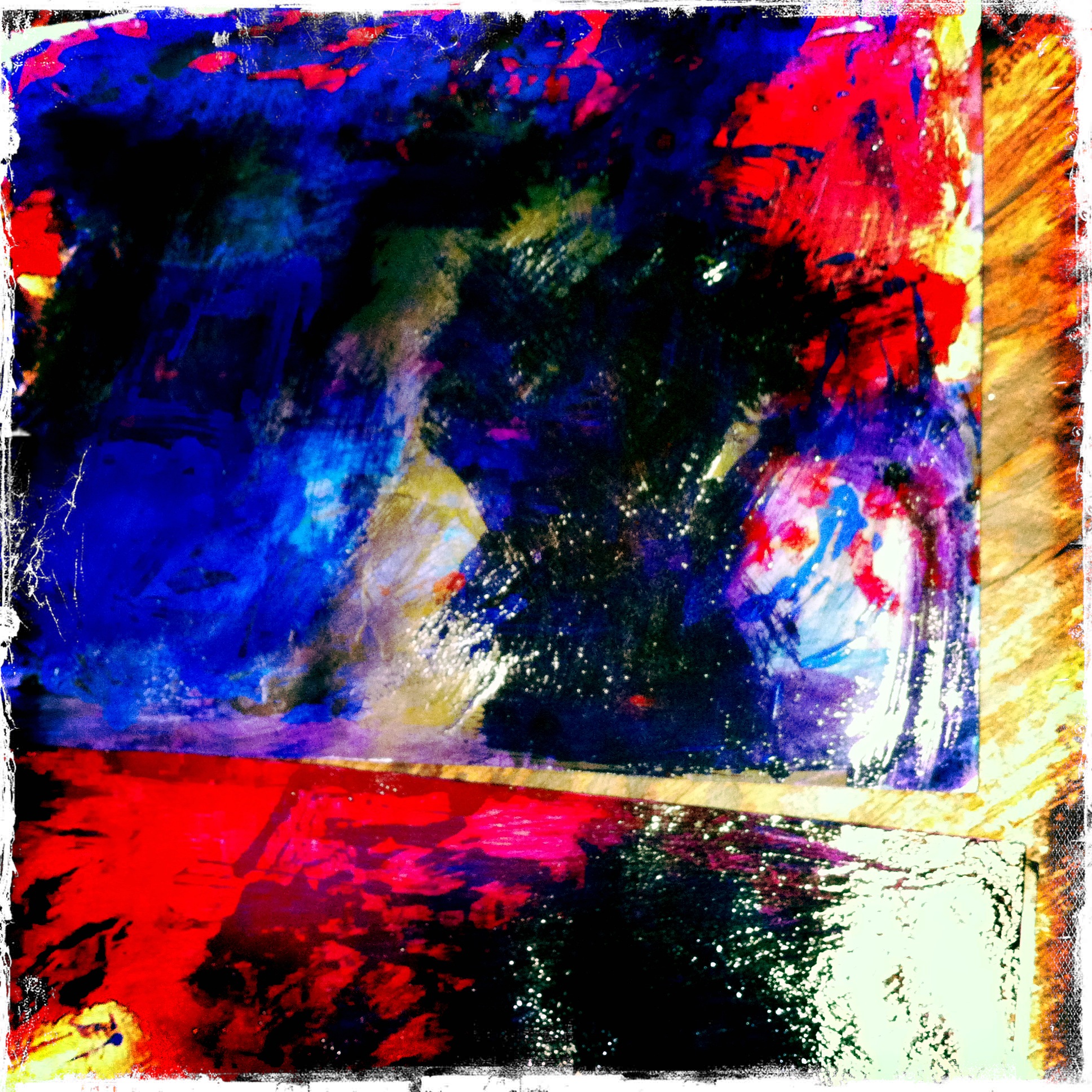
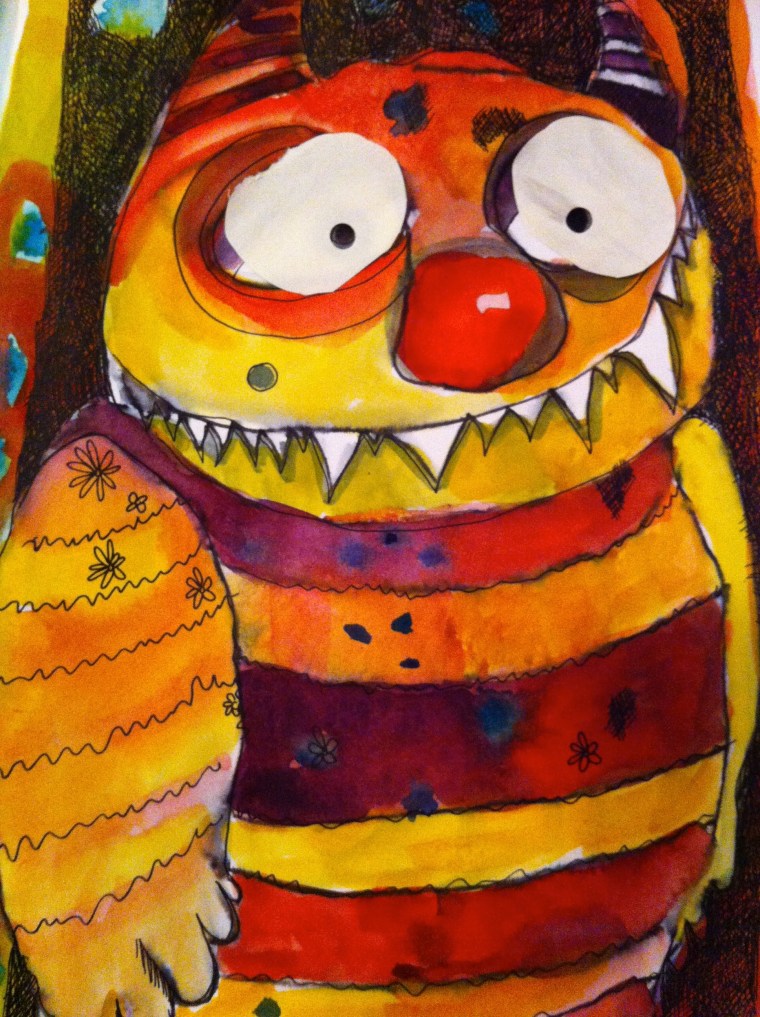
kids and art – life is an adventure!

kids and art - life is an adventure!

Children are born with the natural ability to “make art”. Without ever having received formal instruction they will still alter their environment in a way that reveals the creative mind all humans possess. A stick is used to scribble in the sand, stones are arranged in pleasing patterns, flowers and leaves are strung on grass, a pencil is picked up and a wall decorated.

Children – like adults – use art to answer the challenges of their lives. Art is a medium to contemplate and resolve the essential questions of who we are, why we are alive and what is expected of us.

In a child’s life this can mean: What do I do when I am bored, feel tension, do not understand what is expected of me, but also: how do I communicate that I am happy, that I saw something amazing, remind my parents and caretakers that life is an adventure and that I ask you to be in the moment with me?

Teaching art in a classroom can strengthen the confidence a child needs to hold on to this amazing skill beyond childhood.

Keeping in mind that art is not an external experience, but is rooted deep inside each child, we understand why it can be confusing and discouraging to children if art is presented to them as belonging to an inaccessible adult sphere. Data of artist’s biographies are of little relevance to a second grader.

Instead we can talk to them about the origins of art and ask them about their own experiences as artists. A wealth of beautifully illustrated children’s’ books can help the teacher and the parent in the classroom (or at home) to do so in words that relate to the children’s’ need for a coherent, honest and joyful encounter with art. Artful children’s’ books acknowledge that art is relevant in the child’s own sphere. Asking children to talk about their own art always leads to fruitful discussions and true insight into the nature of artistic expression.

In order for children to develop the ability to love, they need to be loved first. In the same way it is true that children are enabled to acquire a true appreciation of the cultural products presented to them as “art” by a sincere recognition and appreciation of their own natural authority as artists. It is in this sense that the German artist Joseph Beuys stated that every person is – also – an artist and that Picasso reflected on his own artistic journey with the words: “It took me a lifetime to paint like a child”.

On the question of how I am qualified to teach art …


By trade I am a lawyer. Many lawyers do have a passion besides their original profession though, I happen to have three, if you count my love for children in general and my own children in particular as one. The other two are writing and art. I mention this because you will surely want to know how I am qualified to write on a subject that is a bit out of the way of my original expertise. My grandmother used to say I have been born with a brush in one and in pen in my other hand – and as far as I can remember I have been scribbling and drawing on every appropriate surface – and some less suited. That I came to study law is strange, all things considered, but I guess I wanted to try out if I could succeed at something else, something real. I graduated with two law degrees and, even though I actually (and I should add: eventually) became a practicing lawyer – even before starting to practice law I came straight back to art.
I do believe though that art is not an esoteric, isolated endeavor that people sometimes take it to be. Artists are well advised to take notice of their world and have an understanding of it that transcends the visual. Beuys said that every person is indeed an artist. He demanded that every sales person, dental hygienist, physician, scientist, philosopher, electrician … (fill in your profession) be first trained in art. The reverse holds true too. Every artist is part of a tangible social reality. The training to become a lawyer might in the end not be either so far from or so detrimental to artistic creation as it might seem at first.
I do love children – and I do remember quite vividly to have been one myself. Believe me as a first hand witness and as someone who still draws and paints, saws and glues every day: There is no time like childhood to experience the joy of art. I had the good luck to be partly raised by a grandmother who had the wisdom of an older generation to pretty much let me do whatever I thought entertaining if I obeyed some general ideas of etiquette that were easy enough to memorize. I was allowed to use any tool from the tool shed or the kitchen. Nothing was childproof or child-size, I had to use them as they were. I was also allowed to make generous use of old newspapers and magazines, of the newsprint paper that my grandfather, who was publisher of a local newspaper, brought home, and of every piece of metal, screw, paper, feather, stone or glass shard that I loved to pick up during our long walks. It never occurred to my grandparents that it was their responsibility to prevent me from injuring myself (and cutting , scraping and bruising myself while working with knives, scissors and hammers seemed part of my job description as “child”). I don’t know whether they ever articulated it that instead they trusted me to take care of myself that but it surely was the result of their laissez-faire regime.
I brought everything I found home and assembled it very much the way every child will when you do not interfere. I do not know where our desire to “make” things has its origin; I do know that we already possess it as children, together with an instinct of how things fit together. If children are not allowed to roam as freely as I was they will still build markers from pebbles and stones, they will still use sticks to draw in sand, build strange, improvised gardens in the mud, decorate prefabricated play structures with ritual signs when the occasion (boredom paired with freedom) presents itself.
To be creative is a basic desire of humans, all humans. It is a genuine expression of who we are even before we are defined by our social and economic circumstances. To teach a child to be creative therefore seems to me an elusive act. I look at children with a sense of awe, they are still there, right at the origin, and all I do as a teacher is to take them on the long walk I took as a child with my grandparents allowing my students their own discoveries and the freedom to collect at will what responds to their unique desire to create this world new according to their own vision as every artist will.
If we’d create more protective spaces for our children, spaces in which they could grow according to their own needs, we could cut back on many extracurricular activities. The challenge is right out there and the artist that lives in every one of us but is acutely alive in our children is ready to meet whatever form that challenge in their very own live might take.
To come back to the question of my own expertise: I do believe with visionary clarity that it is not my expertise and training/education that is relevant. It is my willingness to acknowledge, respect and celebrate children as the artists they are. I do believe that art is not a matter of paper and ink, of perspective and shading, I do believe though art techniques can be taught art cannot, no more than breathing, walking, seeing. It is something that happens when things go right or when you have to make them come out right. Art is the freedom to choose your own words. Art is the freedom to follow your own voices. Art is life.