Was ist CIRCUS UTOPIA ART Press?
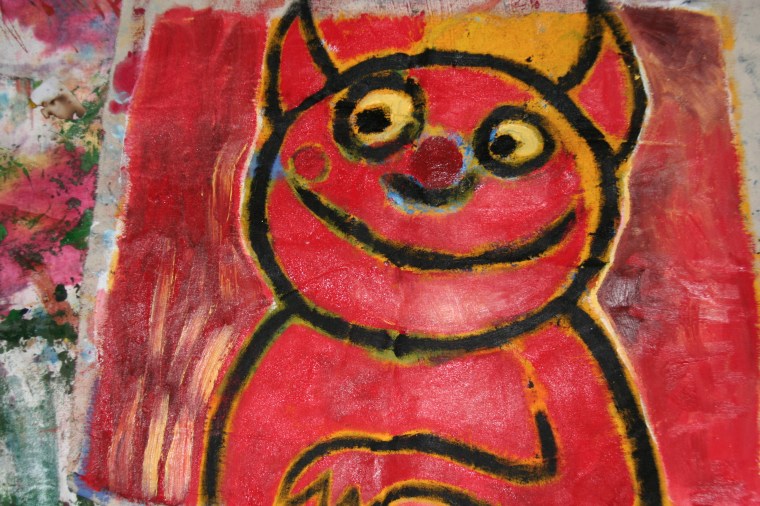
Der Name CIRCUS UTOPIA für meine Arbeit in der Schnittstelle “Kunst & Recht” entstand aus einer Eingebung. Der Wunsch, dass Menschen unterschiedlichster Weltanschauungen miteinander ins Gespräch kommen können, ohne ihre eigenen Positionen aufzugeben und doch mit einem offenen Ohr für die Ideen anderer, mag utopisch erscheinen. Aber wir schulden es unseren Kindern, es jedenfalls zu versuchen, ihnen die hierfür notwendigen Werkzeuge mit auf den Weg zu geben. Ich habe ehemalige Schülerinnen und Schüler und ihre Eltern gefragt, was Circus Utopia für sie bedeutet.
Joy Ann Lara, Westfield, NJ, artist, mother of two sons who were taking classes in my studio:
Art is a universal language. Experiencing it with Kristina through her art classes for children has enabled my sons to express themselves at a time when words failed to capture the range and intensity of their feelings. Making art built a bridge that spanned isolation and misunderstanding, and provided a sense of home and safety that mere words–even words coming from those who loved them and tried to protect them — could not. While I love words and treasure their eloquence, I recognize that images (visual art) are somehow more visceral, purer, and can be more powerful in conveying “hard to describe” things. When words fail, art picks up and moves it forward.
Experiencing art is vital to a connection with our innate creativity. It touches all aspects of our lives, not just areas that are obviously “creative”. Art practices the ability to re-imagine and rebuild. And rebuilding, don’t you think, is indeed a daily task that determines the shape and viability of our future.
Alena, 17, Schülerin, Hamburg:
Circus Utopia Art Press ist für junge Menschen die freiwillig Lust haben sich mit Rechten auseinander zusetzen. Ich finde gerade für uns Jugendliche ist es eine tolle Möglichkeit, die Rechte kennenzulernen. Wir sind uns vielen Rechten nicht bewusst, wir haben in den Stunden die Möglichkeiten mit anderen Schülern, unsere Meinungen auszutauschen. Es bringt uns viel Spaß. Ich finde, das dieses “Unterrichtsfach” an allen Schulen unterrichtet werden sollte, denn es ist wichtig, sich mit dem Gesetzen sowie auch mit der Welt und verschiedenen Kulturen auseinander zu setzen. Es ist schwer diese große Welt zu verstehen, doch mit bunten Farben vereinfacht unsere Dozentin uns es. Sie hat ein tolles Engagement und ich würde mir wünschen das mehr Lehrer/in gibt, die Lust haben dieses Fach zu unterrichten.
Rebecca Miriam, 20, Jurastudentin,Leipzig:
Circus Utopia macht es mir möglich jegliche Sprache zu verstehen. Und hiermit meine ich nicht nur Ländersprachen, sondern die Sprachen der Menschen verschiedener Kulturen, verschiedener Weltanschauungen. Schwarz auf weiß, so steht es geschrieben. Wer bin ich? Wer sind die anderen? Wie funktioniert ein Miteinander? Doch in einer Welt, die so komplex ist, reichen Schwarz und Weiß nicht aus. Farben helfen zu verstehen.
Janne S., Schülerin, Hamburg, 19:
Circus Utopia Art Press ist für junge Menschen eine Form sich mit Rechten und Gesetzen auf kreative Art und Weise auseinanderzusetzen. Innerhalb des Kurses geht es darum, sich eigenen Gedanken zu machen und diese durch andere Aspekte und neue Perspektiven zu ergänzen. Es geht nicht um die Bewertung von Gesetzen, sondern es geht um das Auseinandersetzen damit. So bekommt man einen Eindruck davon, was Gesetze sind, warum sie für uns eine wichtige Rolle spielen und welche Möglichkeiten wir durch sie haben. Nur wer ein Gesetz versteht, kann für sich entscheiden, ob er dieses akzeptiert oder ob er es in Frage stellen möchte. Unabhängig davon wie man ein Gesetz findet, kann man lernen, sachlich und respektvoll seine Meinung zu äußern, ohne dabei einen Anderen persönlich zu verletzen oder anzugreifen. Gesetze sind dazu da, sie zu verstehen und um über das Verstandene dann zu diskutieren. Man sollte froh sein, dass es für junge Menschen die Möglichkeit gibt, sich in dieser Form mit dem Gesetz auseinanderzusetzen, denn es können nur neue und sinnvolle Gesetze beschlossen werden, wenn alte überdacht werden. Innerhalb einer Demokratie ist es erlaubt, Fragen zu stellen, genauso wie es erlaubt ist, zu sagen, dass man bestimmte Themen nicht besprechen möchte. Keiner ist gezwungen sich zu etwas zu äußern, man bekommt aber die Möglichkeit dazu, wenn es einem ein Bedürfnis ist. Sich zu äußern bedeutet nicht, anderen seine Beweggründe mündlich schildern zu müssen, man kann sich auch künstlerisch ausdrücken. Das ist eine Besonderheit dieses Kurses und es gibt introvertierten,sowie extrovertierten Menschen die Chance, sich hier einzubringen. Für mich persönlich ist der Kurs eine Form den eigenen Horizont zu erweitern, um in seiner Persönlichkeitsentwicklung voranzukommen, indem man Dinge versteht. Nur wer selber versteht, kann Anderen beim Verstehen helfen und somit Entwicklung fördern. Unsere Dozentin gelingt dies besonders gut, da sie sich als Person sehr zurücknimmt und somit Raum für neue Ideen und Ausdrucksmöglichkeiten der Schüler lässt. Solche einen Unterricht und dieses Engagement hätte ich mir in meiner Schulzeit von meinen Lehrern gewünscht.
Lotta M., Mode Designerin, NUSUM, Hamburg, 26:
Für mich ist CIRCUS UTOPIA ein Projekt, das Kunst lebendig macht, zum Träumen anregt. Die Welt bräucht Träumer, Künstler, Denker. CIRCUS UTOPIA macht die Welt ein Stück bunter! Ich selbst habe immer eines von Kristinas Monstern dabei und zeige ihm die Welt wenn ich Reise!
 Art & Writing