Page 4 of 4
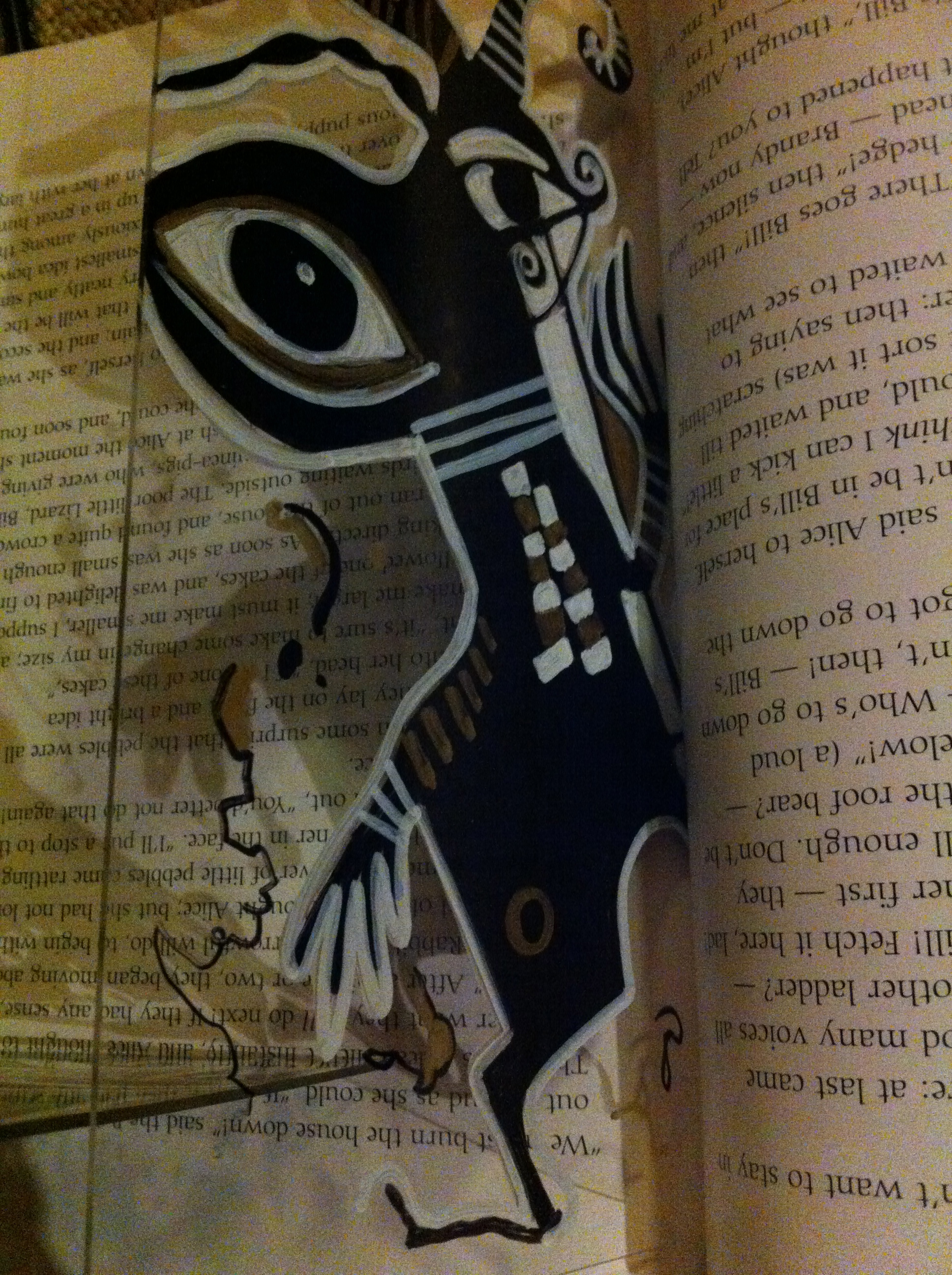

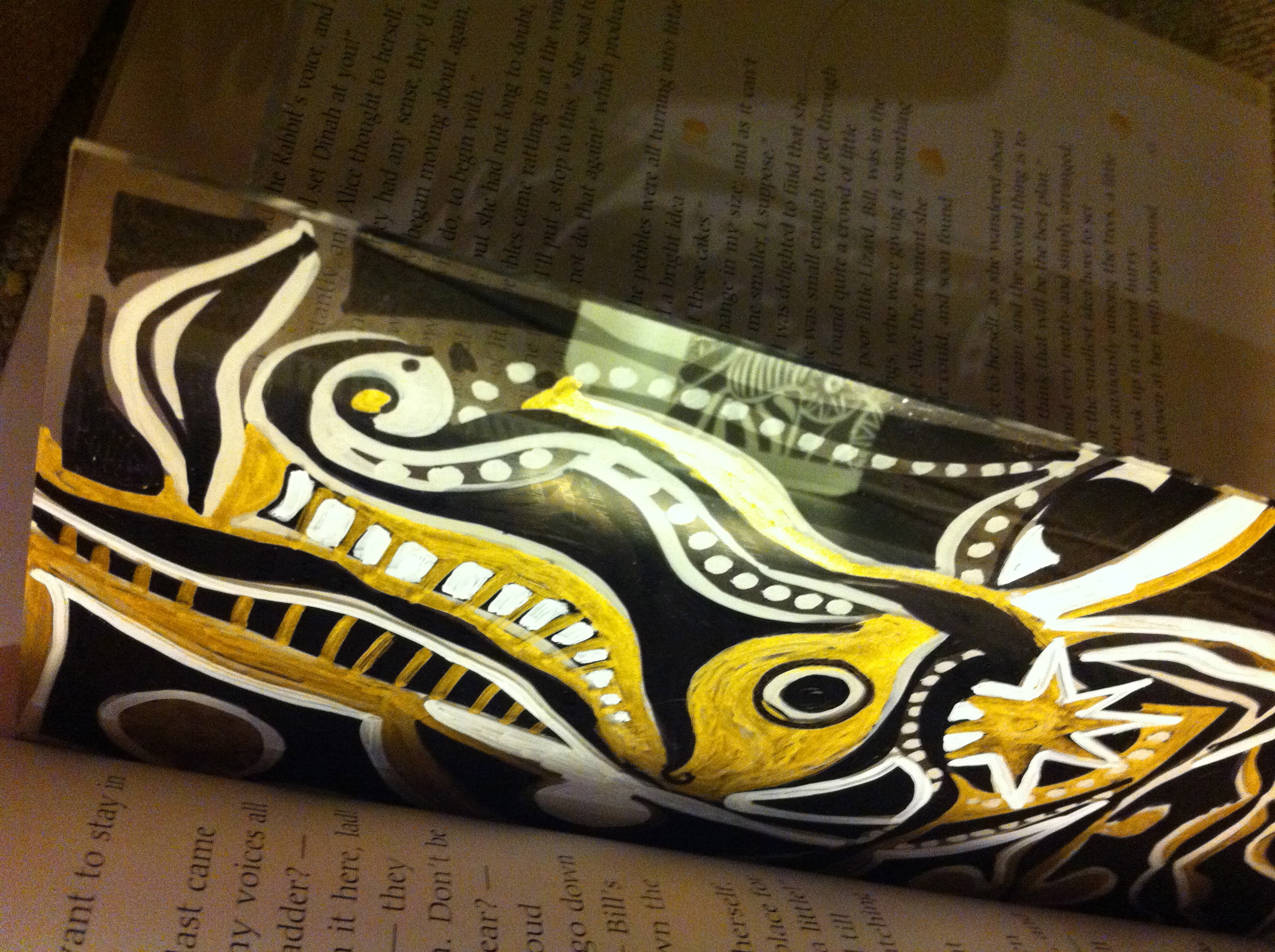
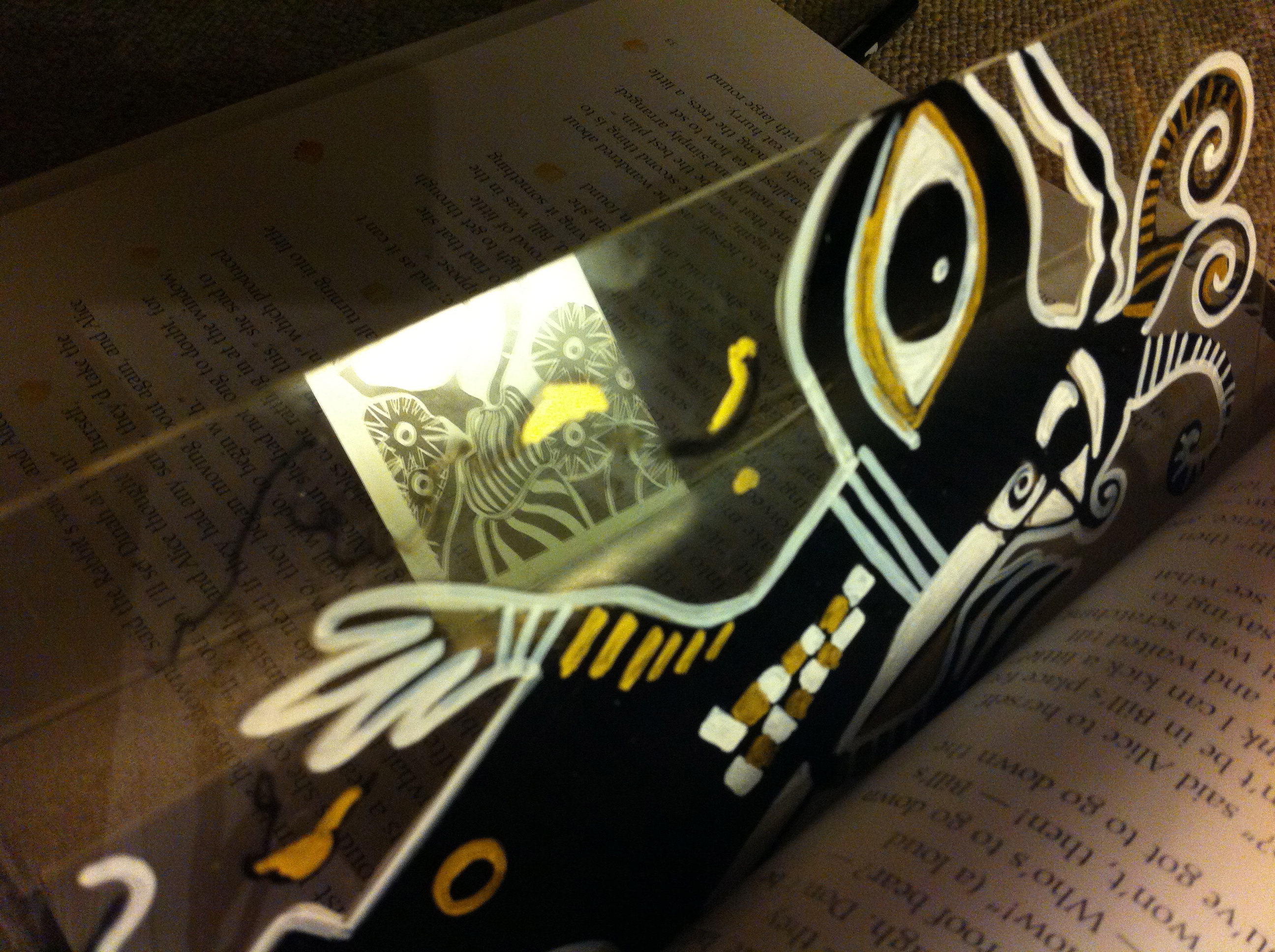
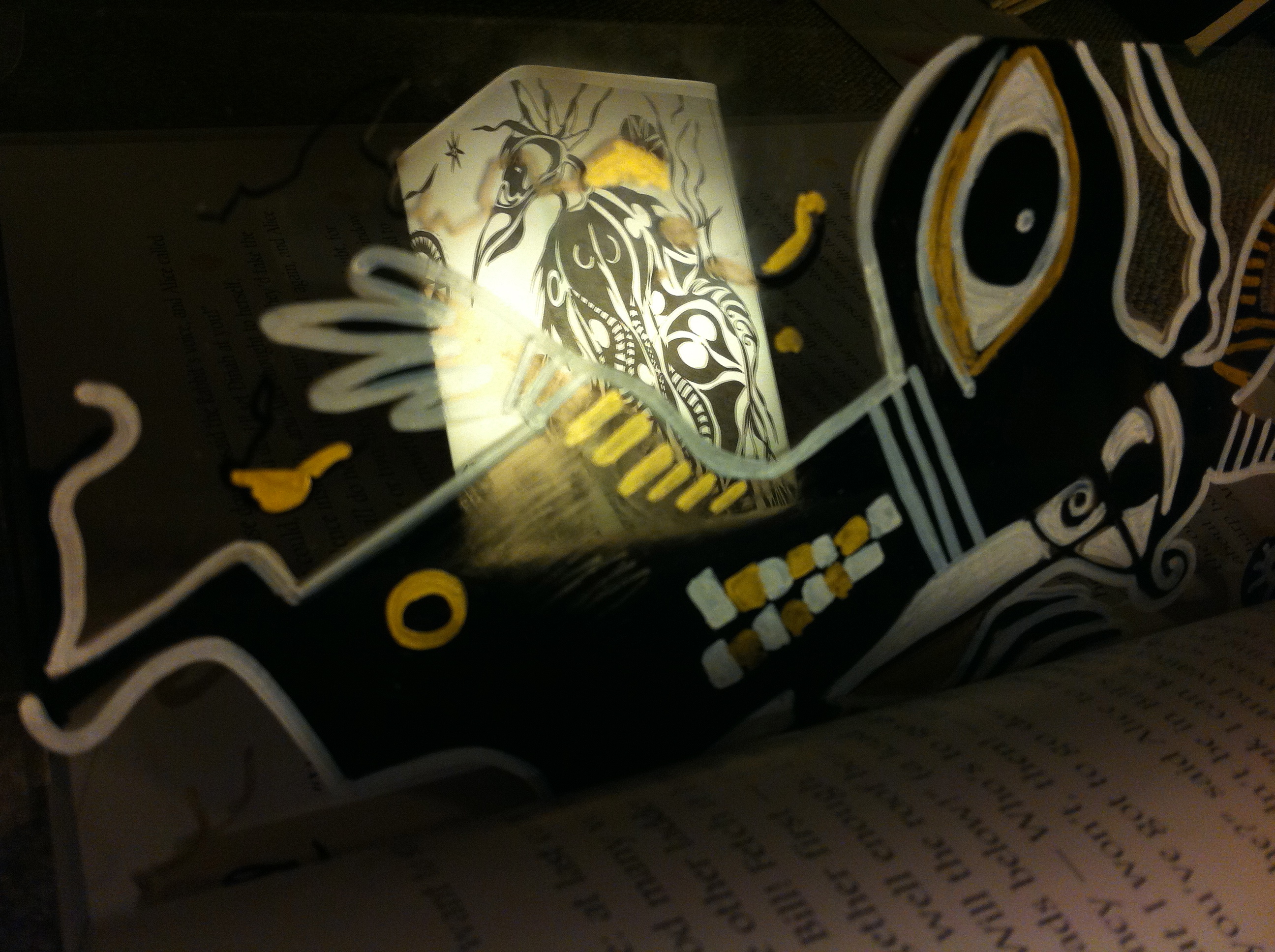
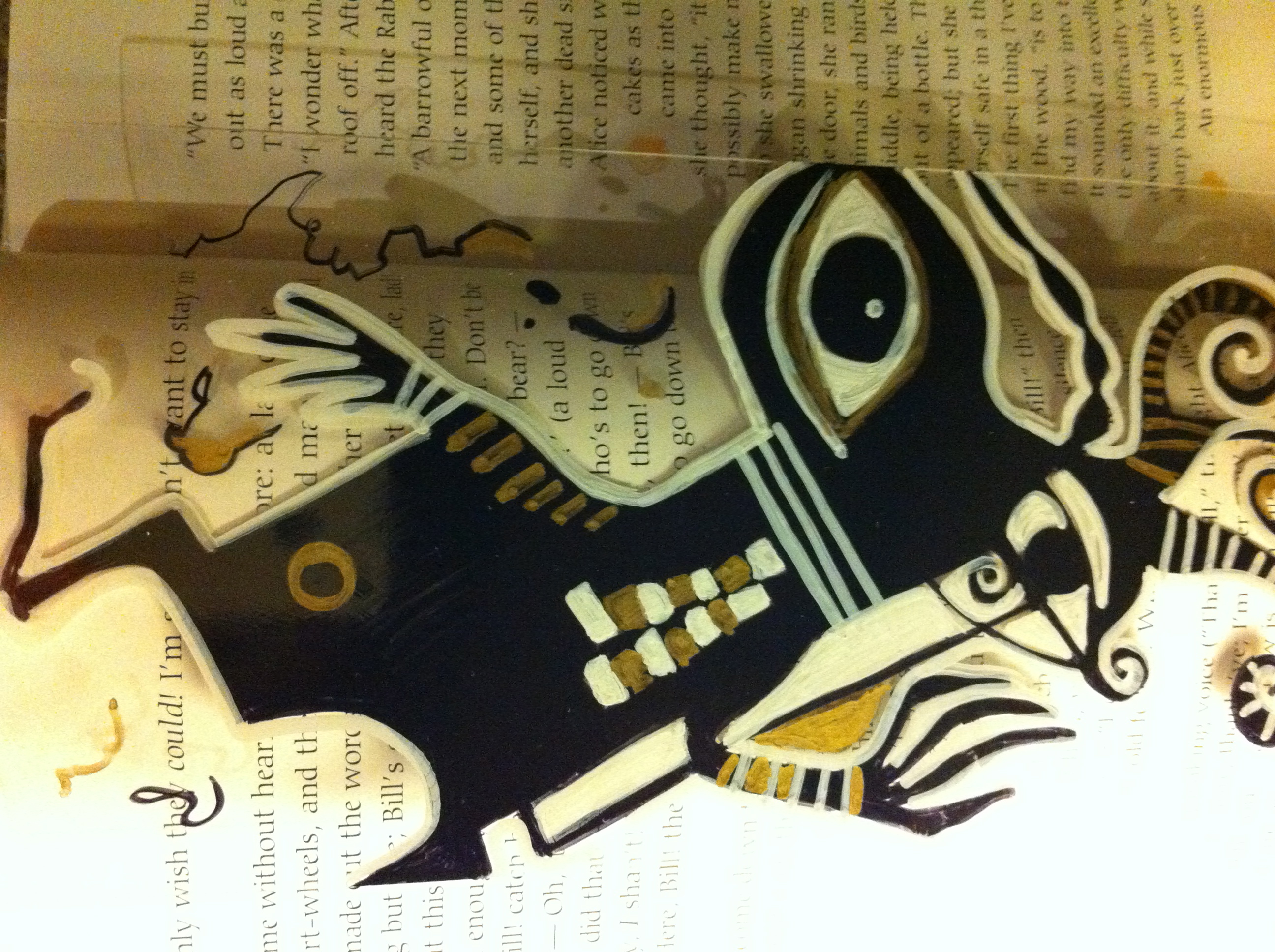
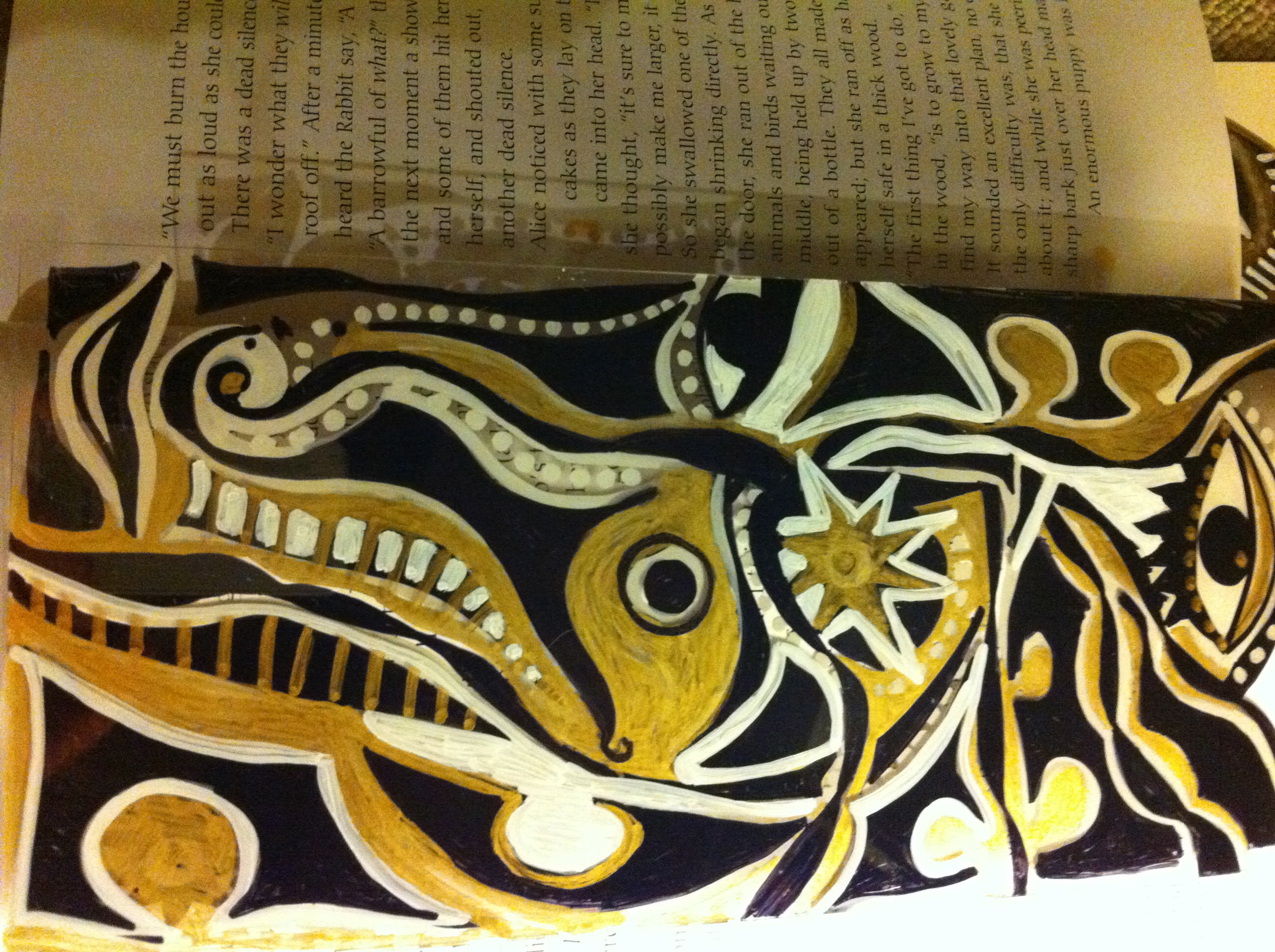
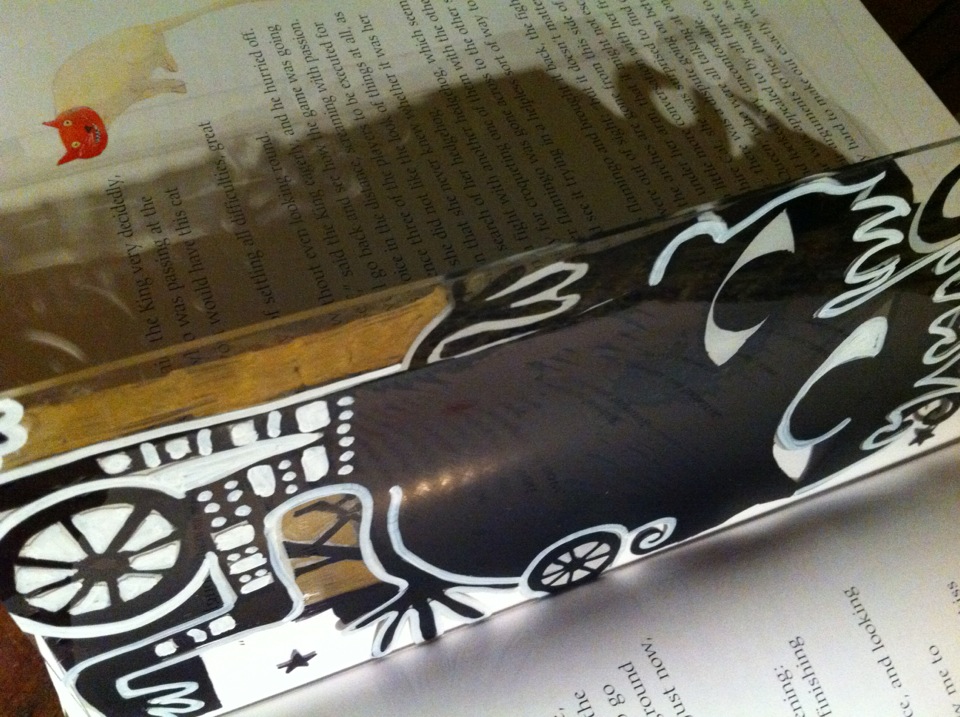
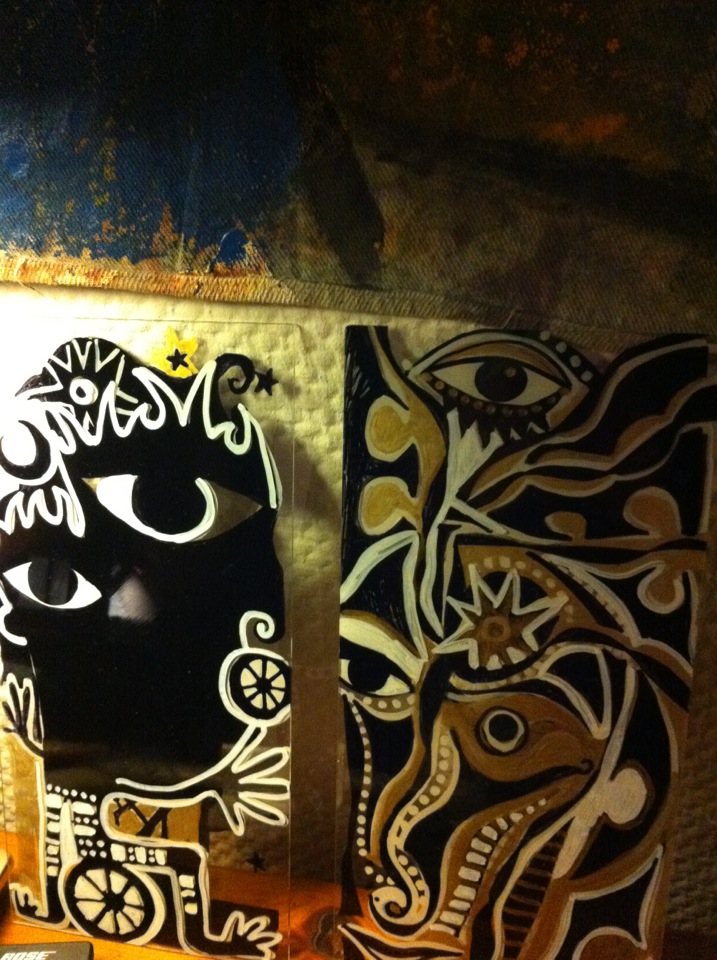
page 176 – still in the library
I took out my small compact powder out of my jacket pocket. I clipped it open and looked into the little mirror in the lid. My face glowed sickly pale under the fluorescent lights. Winter pale. I clipped the lid down, got up from my chair and stepped into U – Z. As I had expected, there was no one there. Velasquez, Varese and The Venetian School, gigantic volumes, with soft, yellow pages lingered pompously yet with a limp attitude between smaller books, waiting to be released from the boredom of their shelf lives. This is what immortality means, I thought, sitting on a shelf as an afterthought to your own life. Maybe to be lifted down every few years to be perused briefly for some kids’ art assignment. I touched the laminated, slightly deformed backs with my fingers. Books do not endure lamination well, a laminated book resembles a plastic covered sofa. One cannot enjoy it. I apologized to the volumes that were sighing with age and discontent …
I have been working on this novel for a while now. There are passages that I really love, snippets, impressions that convey the atmosphere I want to create. There is also, almost surprisingly, some real plot (unusual for me) and a couple of protagonists I can vividly picture like I can picture friends. The novel could be read as science fiction – or it could be an account of a delusion. I don’t quite know which one it is, but so far it could coherently be read as either and it will depend on the conclusion to point in one direction or the other. Any kind of science fiction could of course be an account of the protagonist’s delusions if one chose to read it like that. This is one reason I chose the genre for this particular coming-of-age story in the first place. Another one is that I have been craving for a playing field for my interest in ephemeral science and have been having a ball researching and reading up on all kinds of science projects with marginal news interest from marine bioluminescence to quantum physics to astronomy.
Plinius, the cat
And Plinius. The cat. Plinius was on my side. You can’t bend a cat. You can’t make a perfect copy of a cat. In his own way, Plinius was less predictable than the most extravagant human could possibly be. Starting with his smell. Yes, he smelled like cat, but not like any old cat. He smelled specifically like Plinius. I have had plenty of cats all through my grown up life but not one of them has ever smelled anything like him. If it is true that we are normally not very good at remembering smells (and though we have invented devices to record and play back actual sound and images we have never invented any automaton that would – on request – conjure up a specific smell.), but that rule does not include remembering Plinius’ smell. Equal part cat litter, dust, fur and … realness. I don’t even have a comparison, a word for that smell, but I can say “Plinius” and I can actually smell him. He was very present and himself until he just wasn’t anymore, until, one day, without proper good-byes, he disappeared.
reality, two-dimensional
On my way to the library, still focusing on holding things in place, the trees drew script against the sky that was already starting to darken as if someone was pouring ink onto a glass pane. Everywhere now reality started to flatten as if I was crossing pages in a book, not even a stage. I felt frightened. Frightened because I had started the day with great determination and had forced myself to observe and hold all the details in focus but my perception of the environment seemed to be strangely overregulated as if I had exercised too much control, had added too much contrast, too much definition and too much saturation. It almost seemed that my wish to control the situation had actually contributed to the situation spinning ever so slowly out of control.
 Art & Writing