disobeying the categorical imperative or: the shimmering beauty of ordinary lies
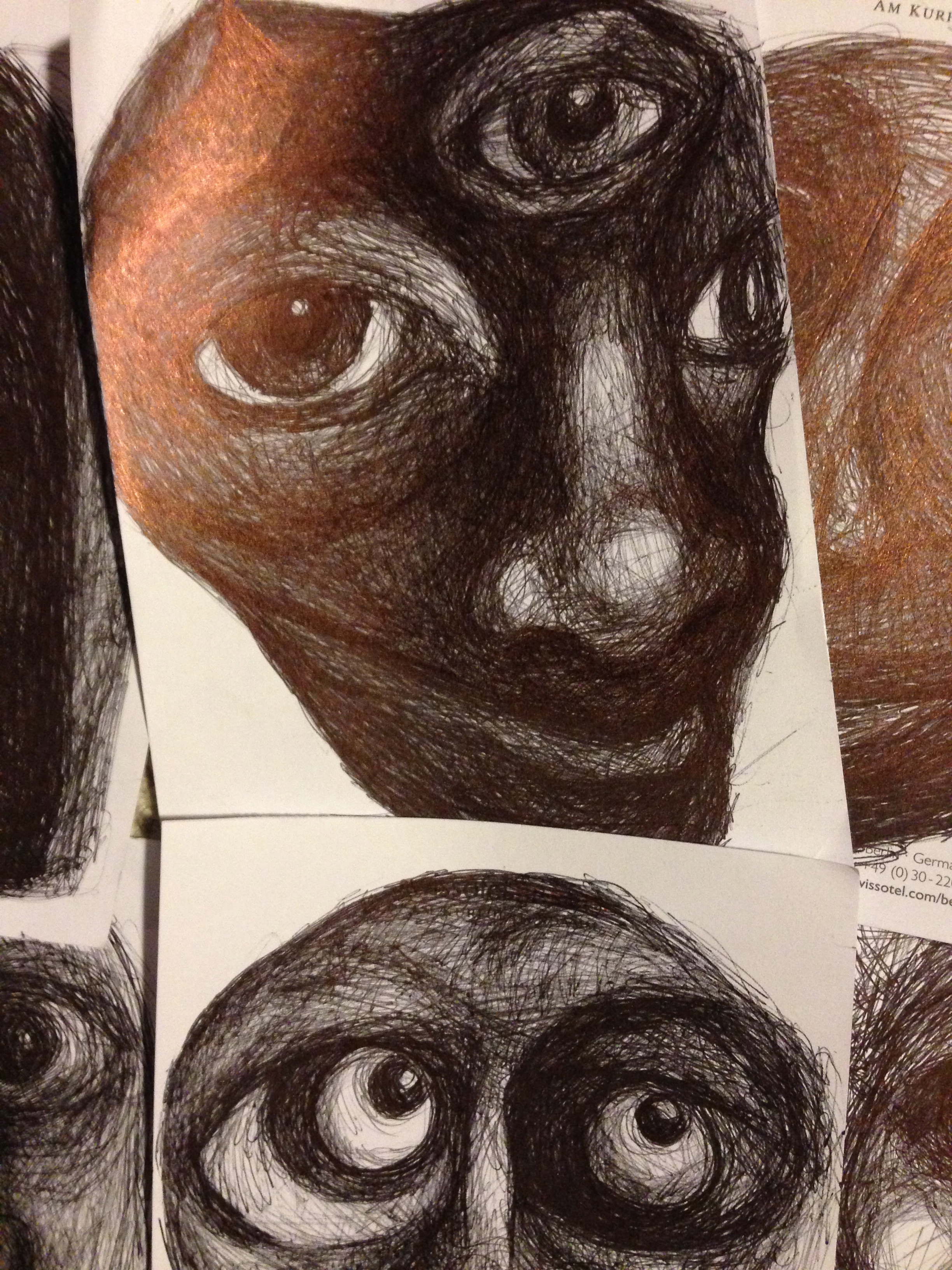
 the third night was bitter cold. eliminating useful words seemed an appropriate strategy to survive the moments that passed with uninterpreted certainty until about five minutes after midnight when the terror of the imaginative mind took over with an ease that betrayed its uncontested reign held even when the discipline of the mind seemed to have hold at bay the monsters lurking in the dark. the useless words i was left with after having eliminated the useful ones had painted beautiful, inconsequential shadows into meaningless days but the reign of the imaginative mind illuminated just a stretch of the way into the darkness, far enough to lead me further astray. but why should i have obeyed the categorical imperative and follow a chilling truth dedicated to a purpose i did not condone even if i couldn’t escape its gravity, a truth i won’t deny, not even now, a truth that with precision etches letters of sober inquiry into my mind but does not not compare to the shimmering beauty of my ordinary lies five minutes after midnight.

 Art & Writing