Page 4 of 5
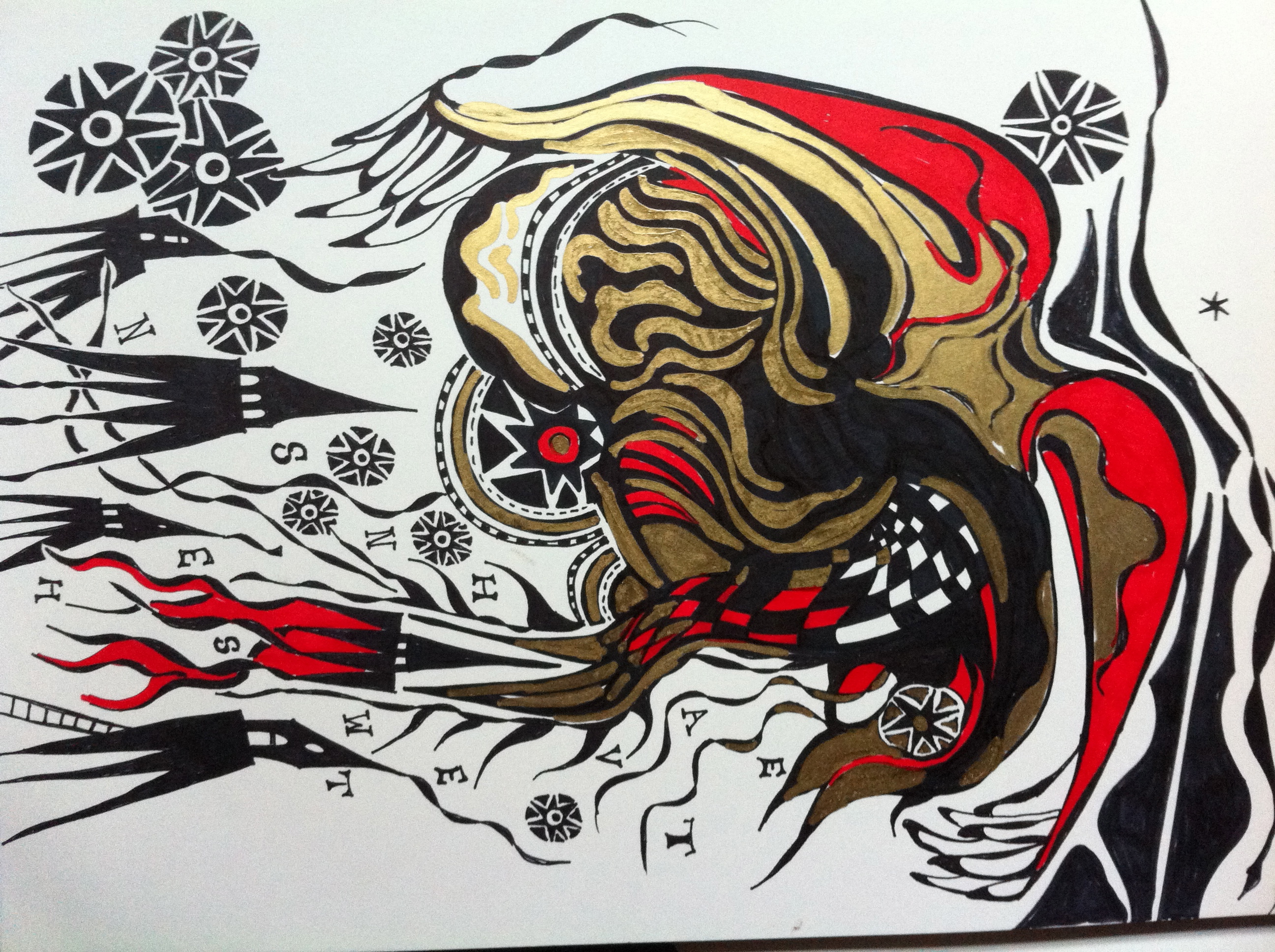
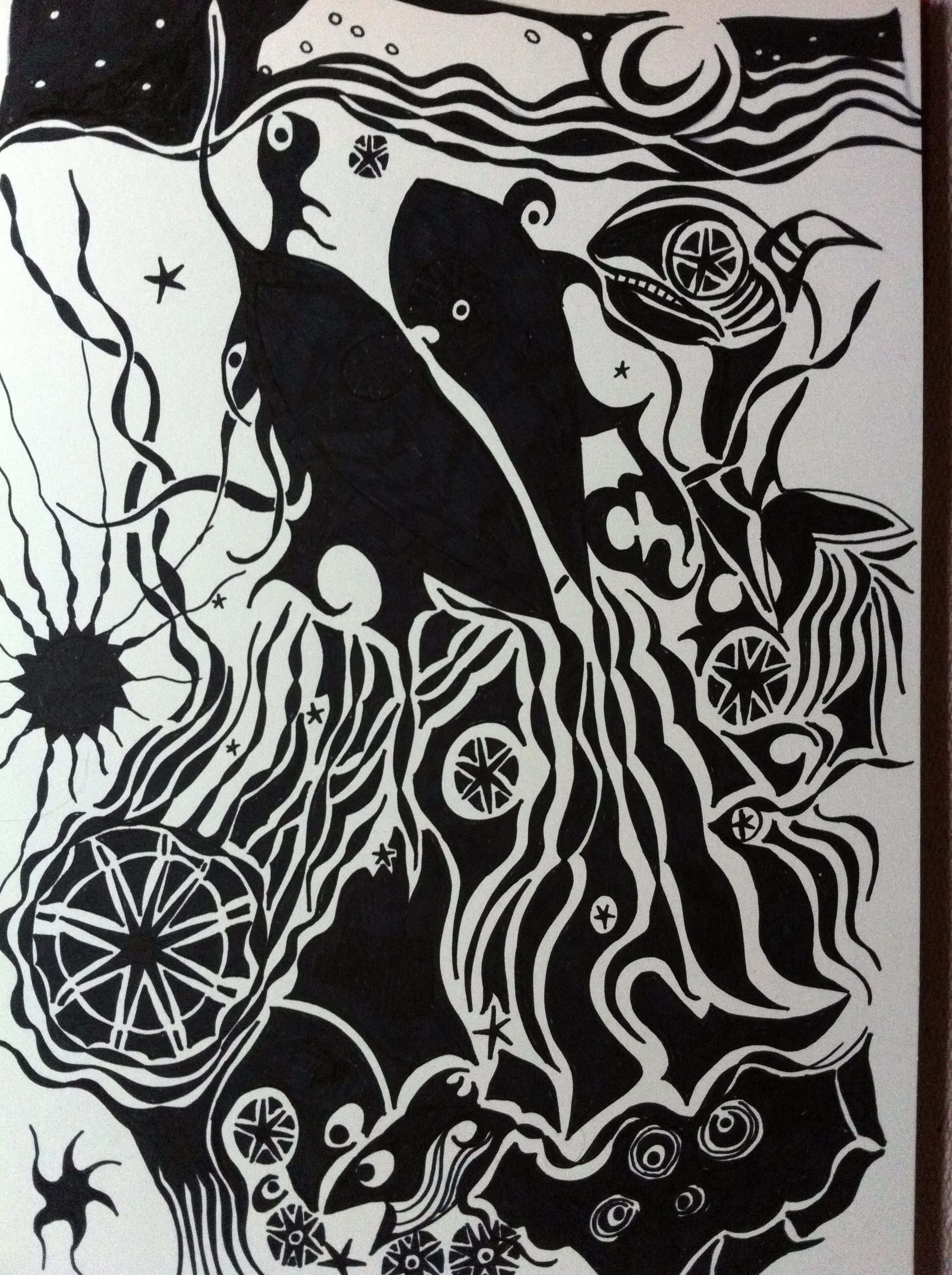
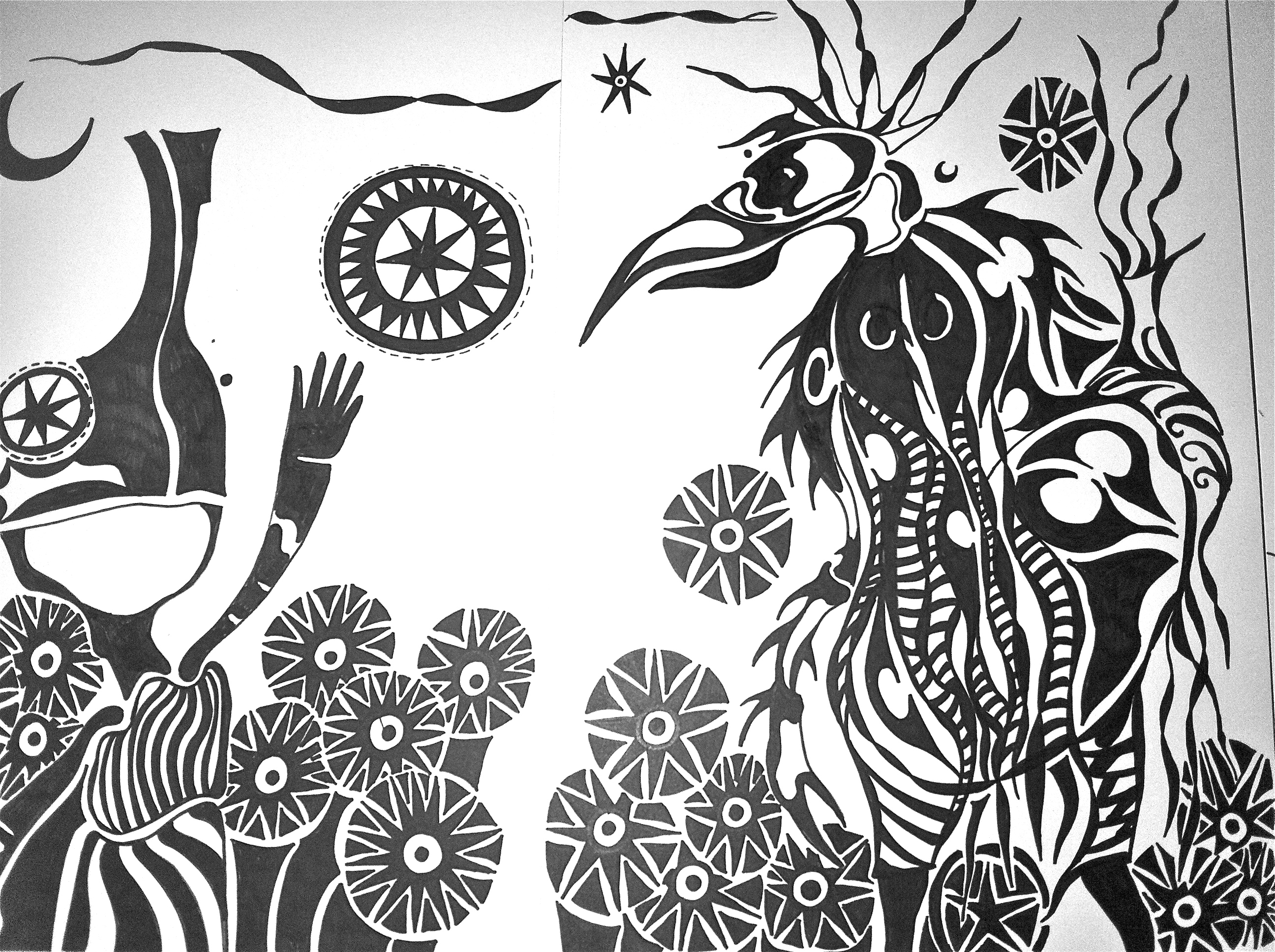
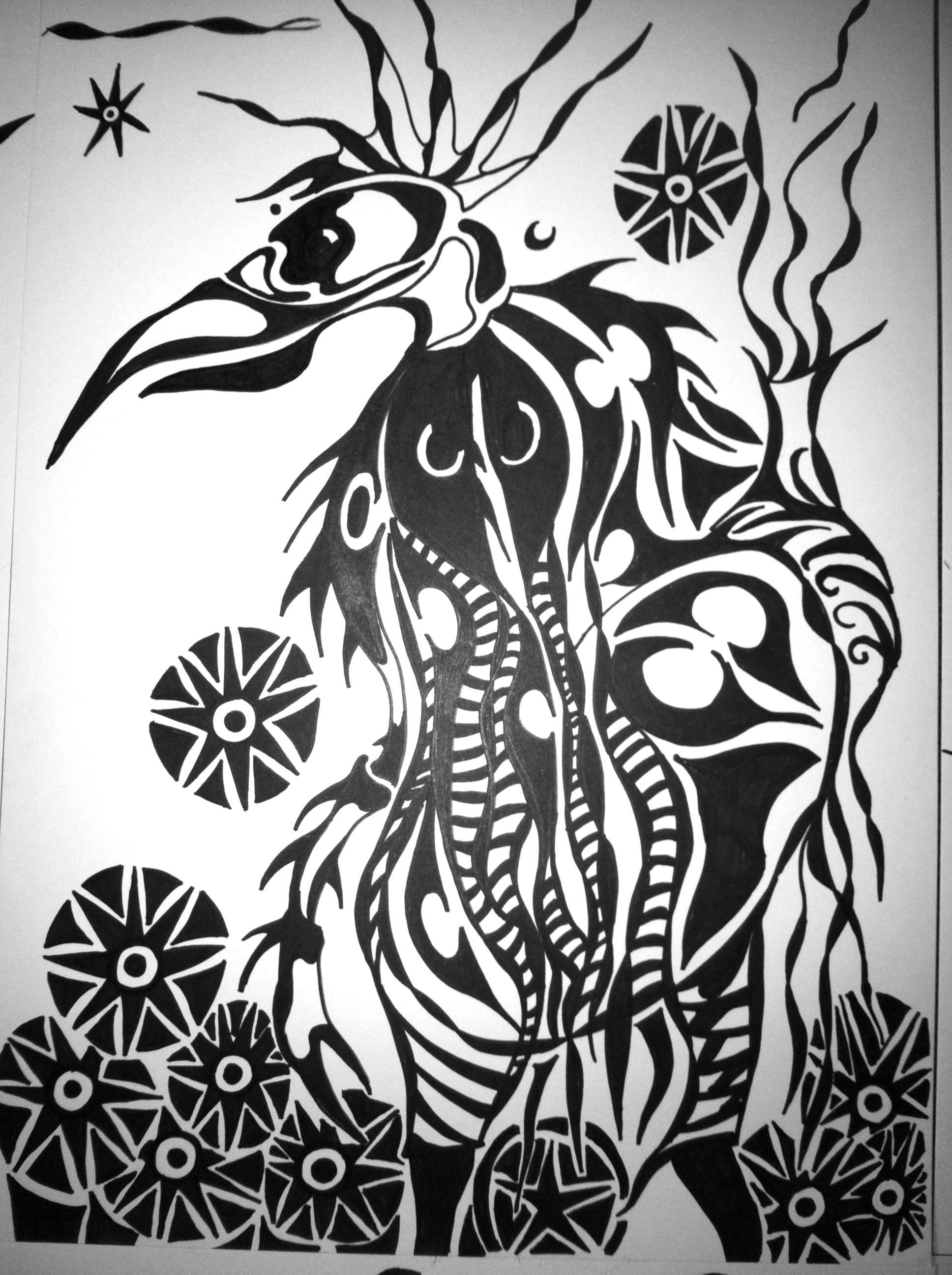
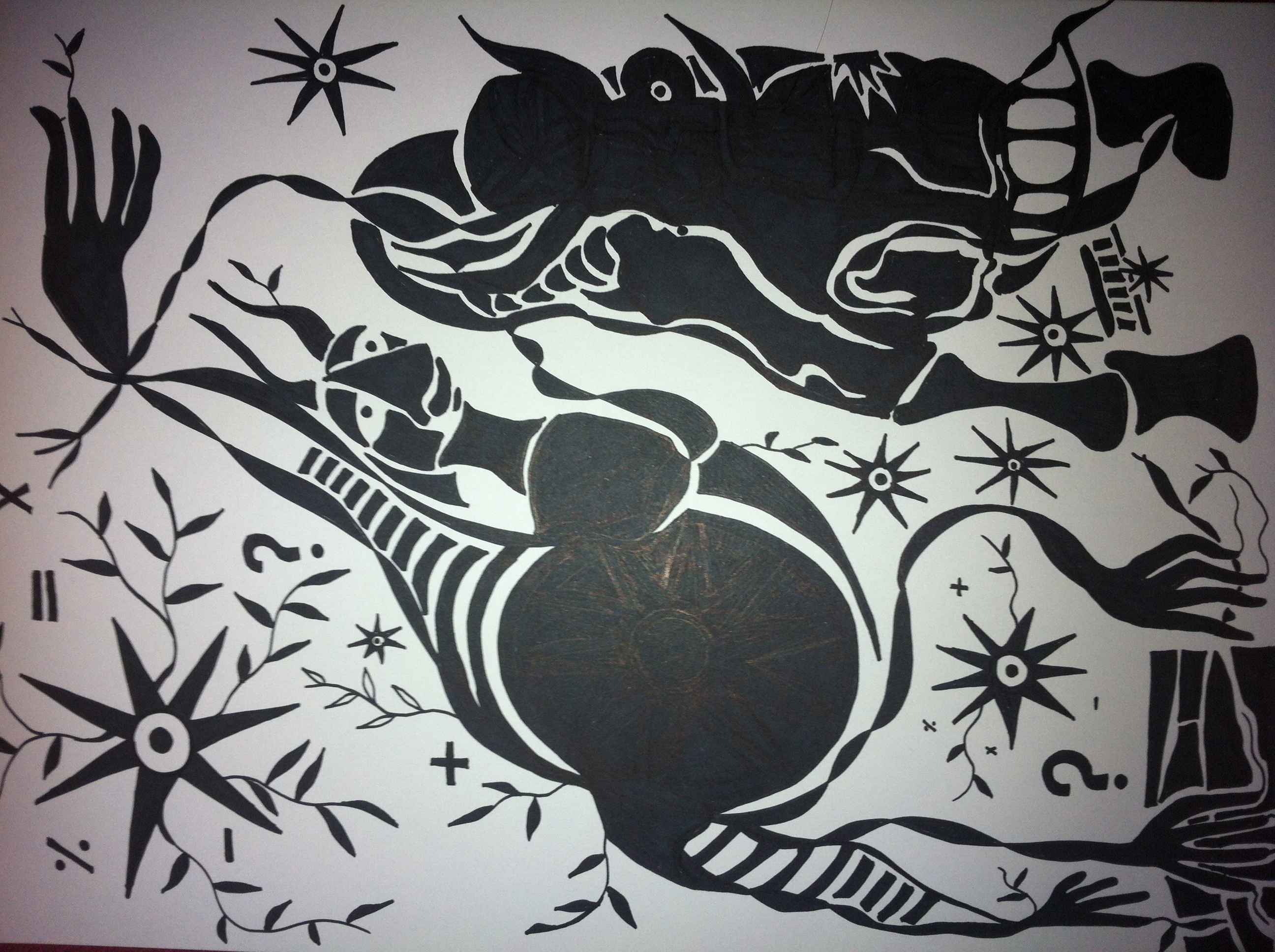
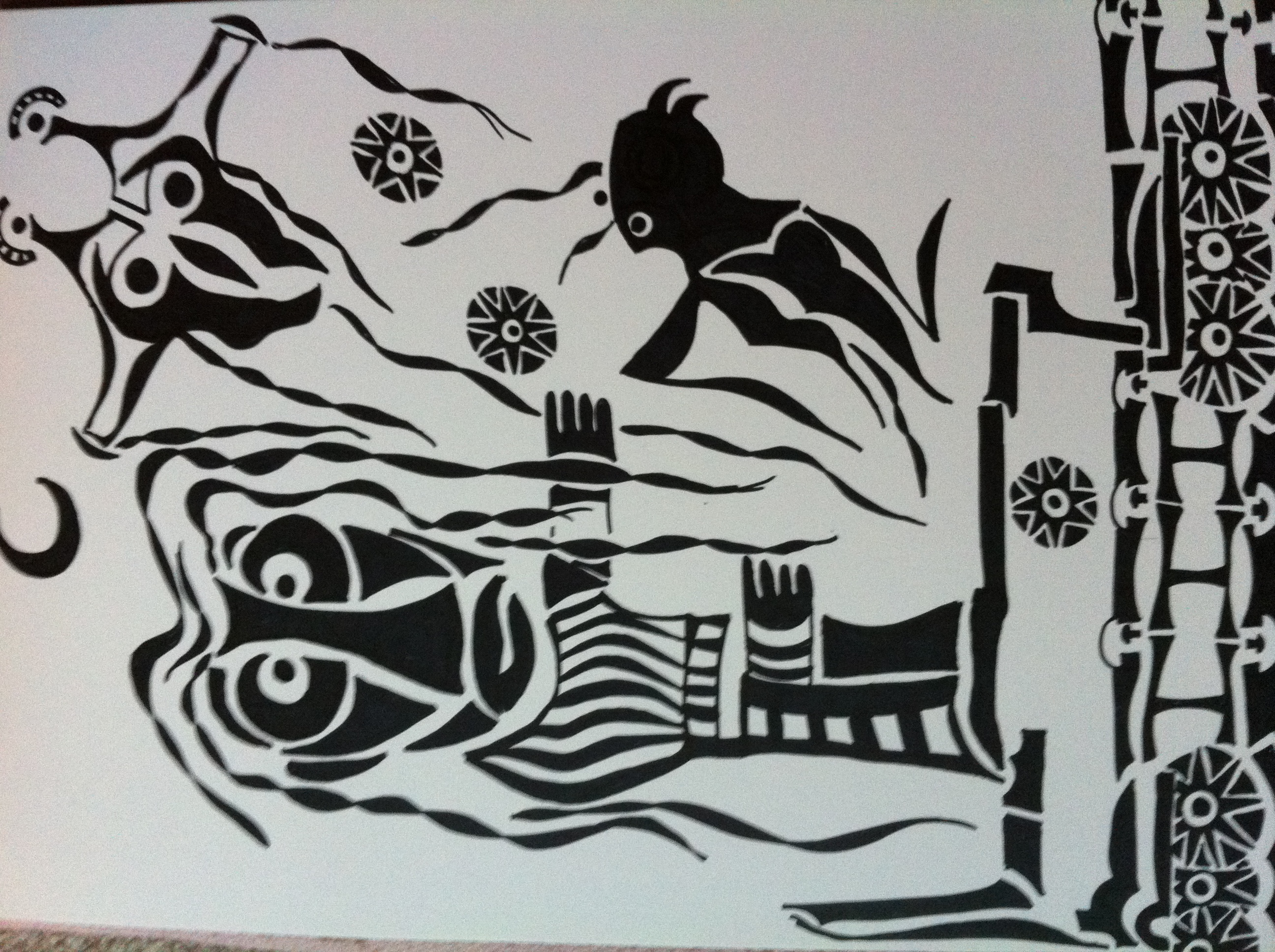
perfection and love
When the boy was about five, old enough to overhear grown-up conversations, Iris had told him in carefully phrased sentences that she and her husband were not his biological parents. She told him that he belonged to them and that they considered themselves to be his parents just as if he would have been born to them. He had listened to her rehearsed words with an expression of inward contemplation. She had looked at his face while she was speaking, overwhelmed by the insufficiency of her own words, their stupidity even. How was he supposed to know what the term biological parents implied? When she had finished nervously and had braced herself for questions or tear or anger or resent (even though she could find no reason why he should feel resent against them learning that they had taken him in to be their son), he had stayed quiet for a while and they had looked at each other as two grown adversaries would, appraising the other’s strength and resources. Then, suddenly, his face had lost the frozen expression, and he had smiled at her, an overwhelmingly bright smile, and had asked her whether he could go outside to play with the mud people.
If they fullfilled their parental obligation towards him without ever truly finding the kind of love a parent might feel for a child, he did love them as a child loves his parents without contemplating nature, extent or meaning of his love. If he ever felt that he was missing something he never betrayed such a feeling through his behaviour or his words.
Sometimes there was a strained look in his eyes when his father left the room as if he recalled being left behind which of course was impossible as he had only been a few hours old when the custodian had found him. At other times Iris caught him looking at her inquiringly. But whatever question he was expecting her to answer he never put it in words. How could they have suspected that there were moments when sudden terror would overcome him, like a feeling of unmendable loss, how could they have known as those were moments when he was at his quietest, looking at a page in a book, an illustration, a word, waiting for the moment to pass. In time the random words he had stared at when the feeling had overcome him came to stand for the darkness. Solanum tuberosum. Common potatoe. Dampness and desperation. Polygala Alba. Milkworth. Sudden death. The word stood for the thing as much as the thing stood the word, even the spoken word. He saw the lines of letters when these words were spoken, and the letters formed the words in an inexorable logic and the words frightened him. The feeling never lasted for longer than a few seconds, seconds that questioned his whole existence and spelled extinction. It was not in his nature to display even this intense fear, he was separated from it as if it happened to another person, and the stillness in his own heart prohibited to revolt against the stranger who took over a five year old to feel what the child would have had no reason to feel himself. Unless memory holds those first few dramatic hours when it is decided whether we shall live or die before knowing even our parents. It was as if he had to carry a glass full of water without spilling a single drop – he literally held his breath while he lived ever so carefully. Only that he didn’t hold a glass but that it was himself who contained something that he was afraid to spill by sudden movement.
Maybe it was his composure that made it so difficult to love him. It didn’t help that he was completely self sufficient. Or that he did not seem to be aware of the extent of their generosity in accepting him as their son. And as it is difficult to love what is complete in itself and beyond the need for protection, it is equally challenging not to resent the person, even a child, who receives a gift with an air of leisure acceptance. He certainly did not behave as if they owed him any care but it was as if he accepted the gift of their being his parents as a favour and generosity towards them.
«But after all», Iris wrote in her journal «isn’t it quite normal that children are not grateful for their existence, and isn’t it indeed true that they are a gift to their parents? » And yet it felt as if there was a mistake in her observation. If there were none of the disturbances children will cause willfully or by the pure fact of their existence, there was little laughter either. Disturbances of the kind that children cause shake the core of life and make it vibrant. The average child will break the rules, not keep them, and this unwillingness to obey rules as much as it may annoy and exhaust a parent lies the true reason for love. We cannot love what follows us blindly, in our hearts we want to be reminded that there is life outside the prison of our self imposed rules. We do want to laugh at ourselves and at the world that we have build and have considered good while we knew better. And yet it is almost impossible to admit not to love someone due to the fact that they are – perfect.
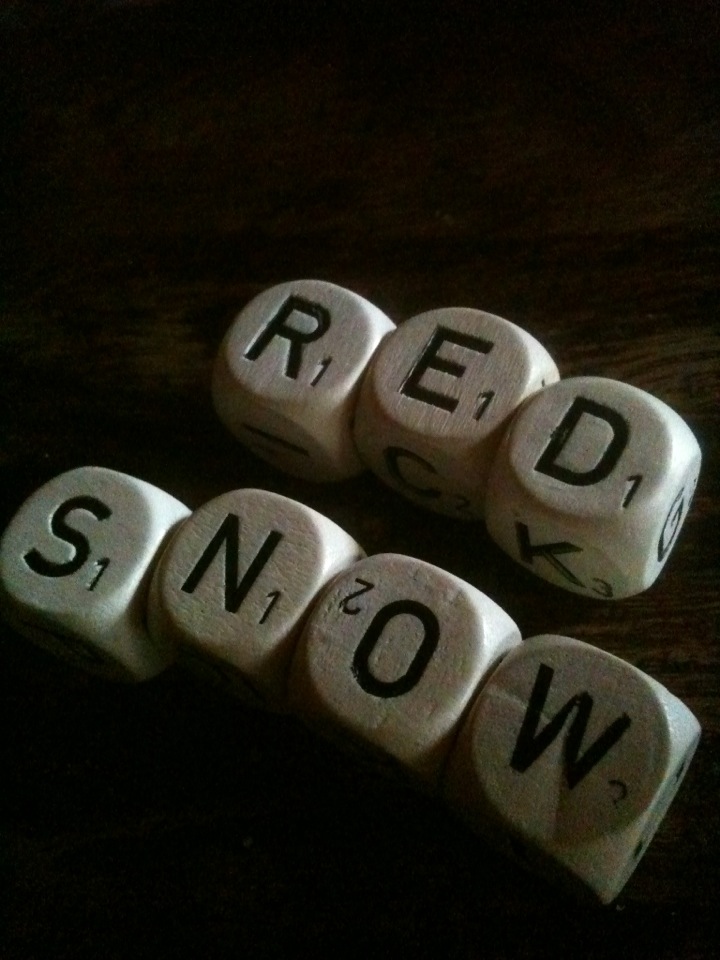
red snow
“Why is it out on permanent loan, Sir?” I asked instead. Now it was his turn to ignore me. “When they started the program, you see,” he answered in a low voice to a question I hadn’t asked yet, “it wasn’t particularly secret. No classified information, just a bunch of scientists with an idea.” I felt a chill. This was Somerville Public Library where kids get their sufficiently outdated material for school assignments and hang out between the dusty shelves in the little frequented art section. “It started with a culture collection of cryophilic algae and microbes, for example pyrolobus fumari.” Sensing my bewilderment, he added ”you need to take notes, you know, you can’t expect me to explain every detail.” As I grabbed one of the H2 library pencils and a stack of note-paper from the table in front of us, he relented somewhat and began to lecture. “Cryophilic algae, also known as red snow, have specialized on thriving under extreme conditions in the polar regions. They grow in the very cold, acidic, high in ultra-violet radiation, and nutrient-poor confines of melting snow. Fascinating, right? Pyrolobus fumari, collected from hydrothermal vents about 200 miles off of Washington State and nearly 1.5 miles deep in the Pacific Ocean on the other hand, survive at 235 degrees Fahrenheit. And we cultured yet another microbe from a yet unnamed strain that Penelope Hoffmann insisted even remains stable at 266 degrees Fahrenheit, when all other life ceases. But the most interesting aspect is that these microbes and algae go through long periods of dormant life cycles. We have isolated microbes from the Siberian permafrost, about three million years old. Bacteria germinated from spores preserved in Dominican amber, 30 million years old!” He leaned back. I looked at him expectantly, but he remained silent. One couldn’t get comfortable in the library arm-chairs with their beech-wood frames and their dust blue fabric over a dense kind of upholstery material and I had fidgeted around in my chair since we had taken our places, but despite the position his malformed spine imposed on him he looked completely relaxed. It actually looked as if he was relaxed within the frame of his bent body, as if that was his frame of reference, not the environment. My initial anxiety had settled too and I had begun to think. “
demons
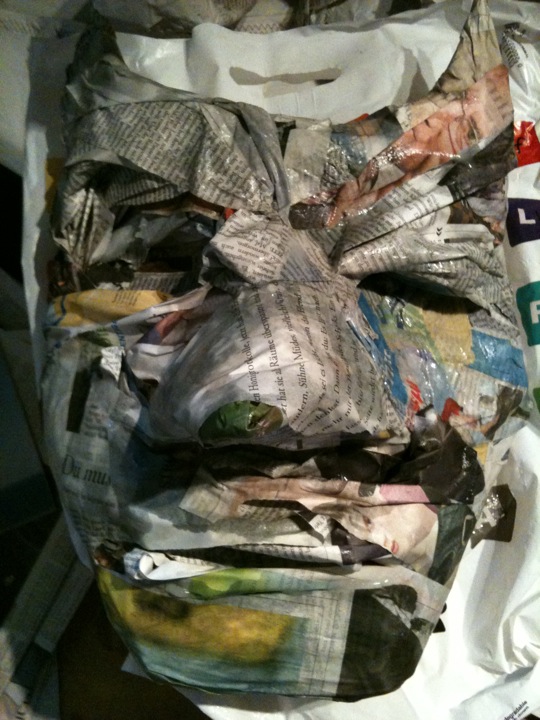
and at the seventh hour the demons arose, howling, and they were indeed fearsome to behold. but i laughed at their racket and answered: the likes of you I concoct with paper and paint from the home improvement store any day.
On the question of how I am qualified to teach art …
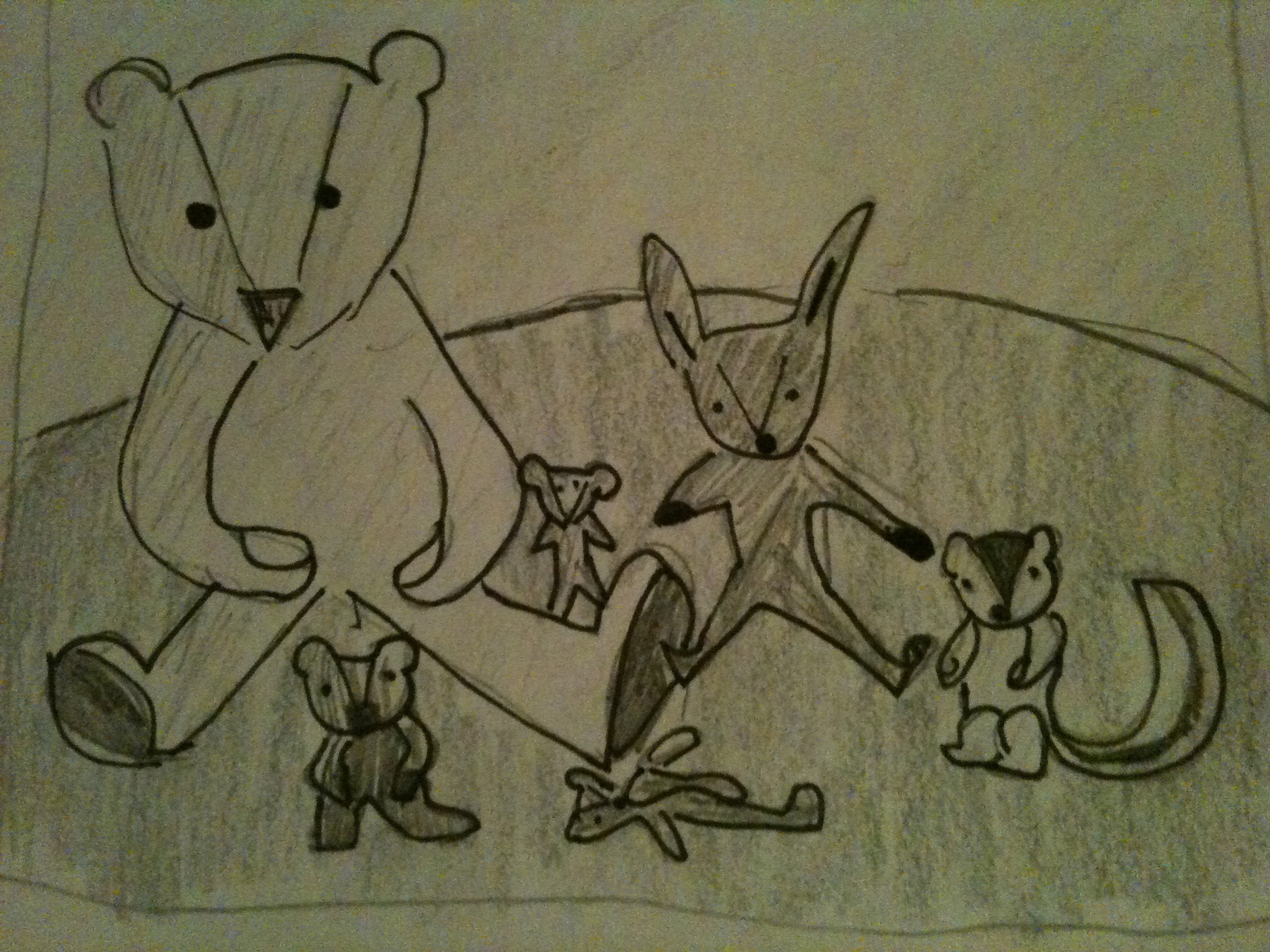
By trade I am a lawyer. Many lawyers do have a passion besides their original profession though, I happen to have three, if you count my love for children in general and my own children in particular as one. The other two are writing and art. I mention this because you will surely want to know how I am qualified to write on a subject that is a bit out of the way of my original expertise. My grandmother used to say I have been born with a brush in one and in pen in my other hand – and as far as I can remember I have been scribbling and drawing on every appropriate surface – and some less suited. That I came to study law is strange, all things considered, but I guess I wanted to try out if I could succeed at something else, something real. I graduated with two law degrees and, even though I actually (and I should add: eventually) became a practicing lawyer – even before starting to practice law I came straight back to art.
I do believe though that art is not an esoteric, isolated endeavor that people sometimes take it to be. Artists are well advised to take notice of their world and have an understanding of it that transcends the visual. Beuys said that every person is indeed an artist. He demanded that every sales person, dental hygienist, physician, scientist, philosopher, electrician … (fill in your profession) be first trained in art. The reverse holds true too. Every artist is part of a tangible social reality. The training to become a lawyer might in the end not be either so far from or so detrimental to artistic creation as it might seem at first.
I do love children – and I do remember quite vividly to have been one myself. Believe me as a first hand witness and as someone who still draws and paints, saws and glues every day: There is no time like childhood to experience the joy of art. I had the good luck to be partly raised by a grandmother who had the wisdom of an older generation to pretty much let me do whatever I thought entertaining if I obeyed some general ideas of etiquette that were easy enough to memorize. I was allowed to use any tool from the tool shed or the kitchen. Nothing was childproof or child-size, I had to use them as they were. I was also allowed to make generous use of old newspapers and magazines, of the newsprint paper that my grandfather, who was publisher of a local newspaper, brought home, and of every piece of metal, screw, paper, feather, stone or glass shard that I loved to pick up during our long walks. It never occurred to my grandparents that it was their responsibility to prevent me from injuring myself (and cutting , scraping and bruising myself while working with knives, scissors and hammers seemed part of my job description as “child”). I don’t know whether they ever articulated it that instead they trusted me to take care of myself that but it surely was the result of their laissez-faire regime.
I brought everything I found home and assembled it very much the way every child will when you do not interfere. I do not know where our desire to “make” things has its origin; I do know that we already possess it as children, together with an instinct of how things fit together. If children are not allowed to roam as freely as I was they will still build markers from pebbles and stones, they will still use sticks to draw in sand, build strange, improvised gardens in the mud, decorate prefabricated play structures with ritual signs when the occasion (boredom paired with freedom) presents itself.
To be creative is a basic desire of humans, all humans. It is a genuine expression of who we are even before we are defined by our social and economic circumstances. To teach a child to be creative therefore seems to me an elusive act. I look at children with a sense of awe, they are still there, right at the origin, and all I do as a teacher is to take them on the long walk I took as a child with my grandparents allowing my students their own discoveries and the freedom to collect at will what responds to their unique desire to create this world new according to their own vision as every artist will.
If we’d create more protective spaces for our children, spaces in which they could grow according to their own needs, we could cut back on many extracurricular activities. The challenge is right out there and the artist that lives in every one of us but is acutely alive in our children is ready to meet whatever form that challenge in their very own live might take.
To come back to the question of my own expertise: I do believe with visionary clarity that it is not my expertise and training/education that is relevant. It is my willingness to acknowledge, respect and celebrate children as the artists they are. I do believe that art is not a matter of paper and ink, of perspective and shading, I do believe though art techniques can be taught art cannot, no more than breathing, walking, seeing. It is something that happens when things go right or when you have to make them come out right. Art is the freedom to choose your own words. Art is the freedom to follow your own voices. Art is life.
 Art & Writing