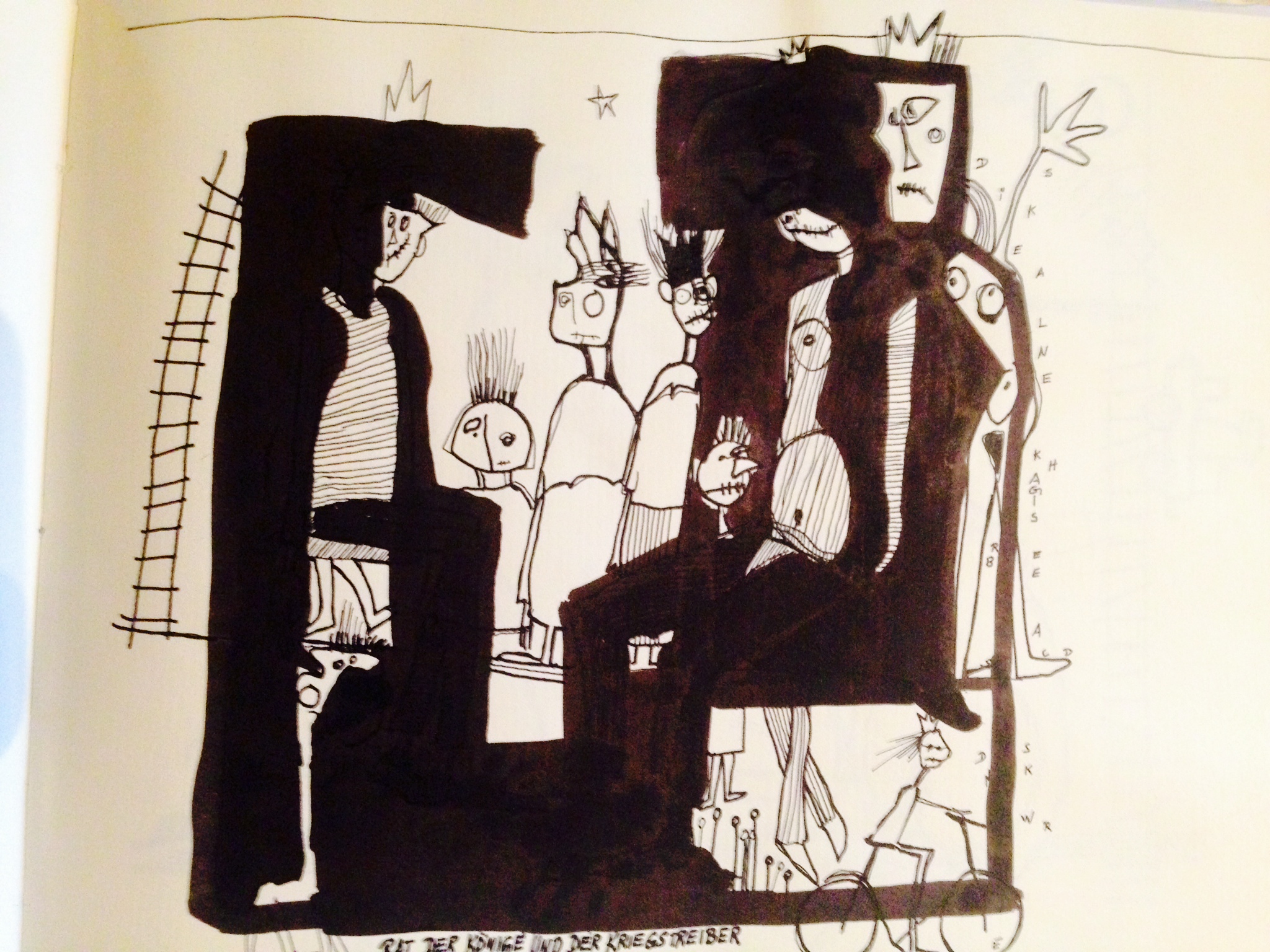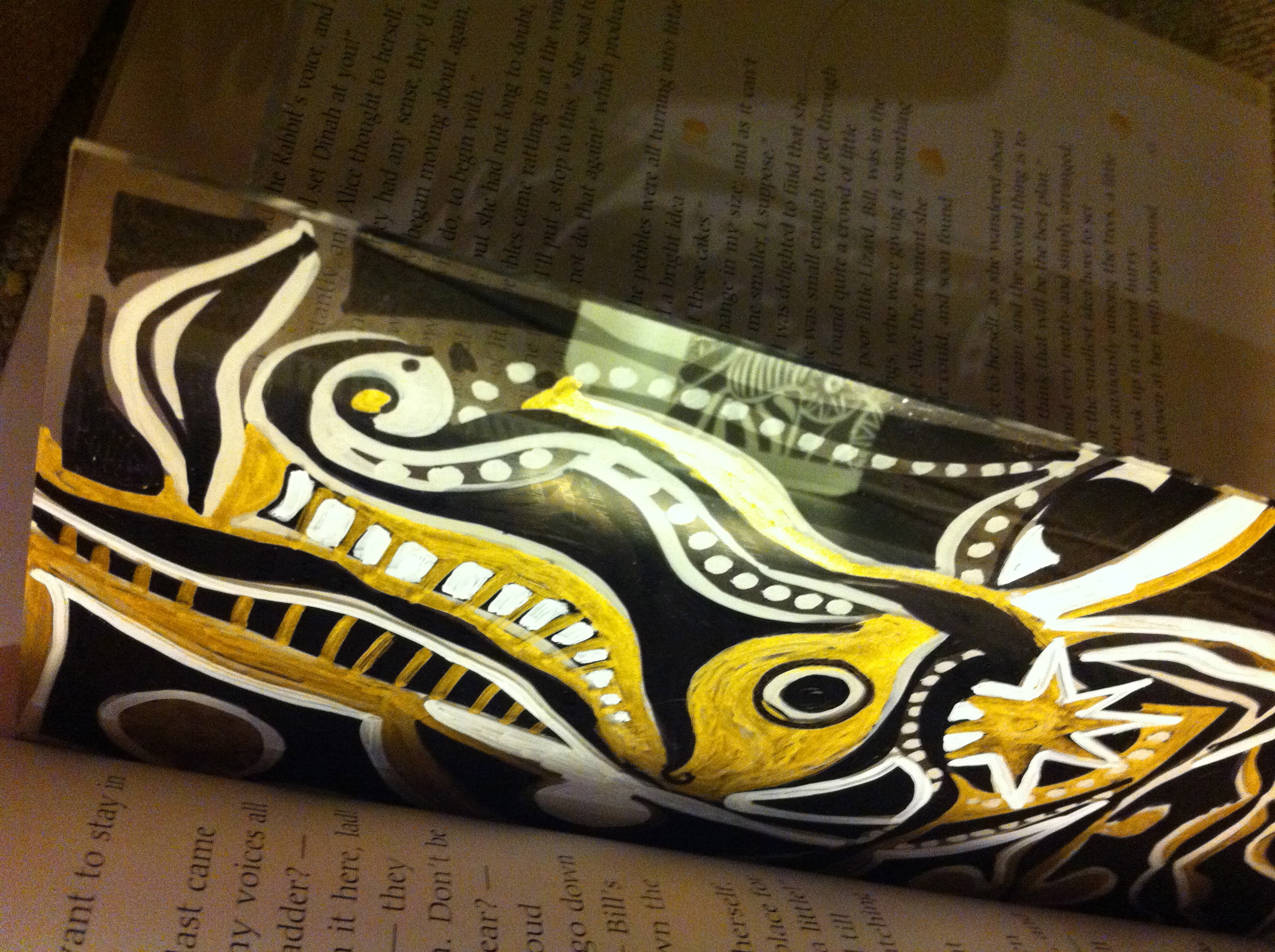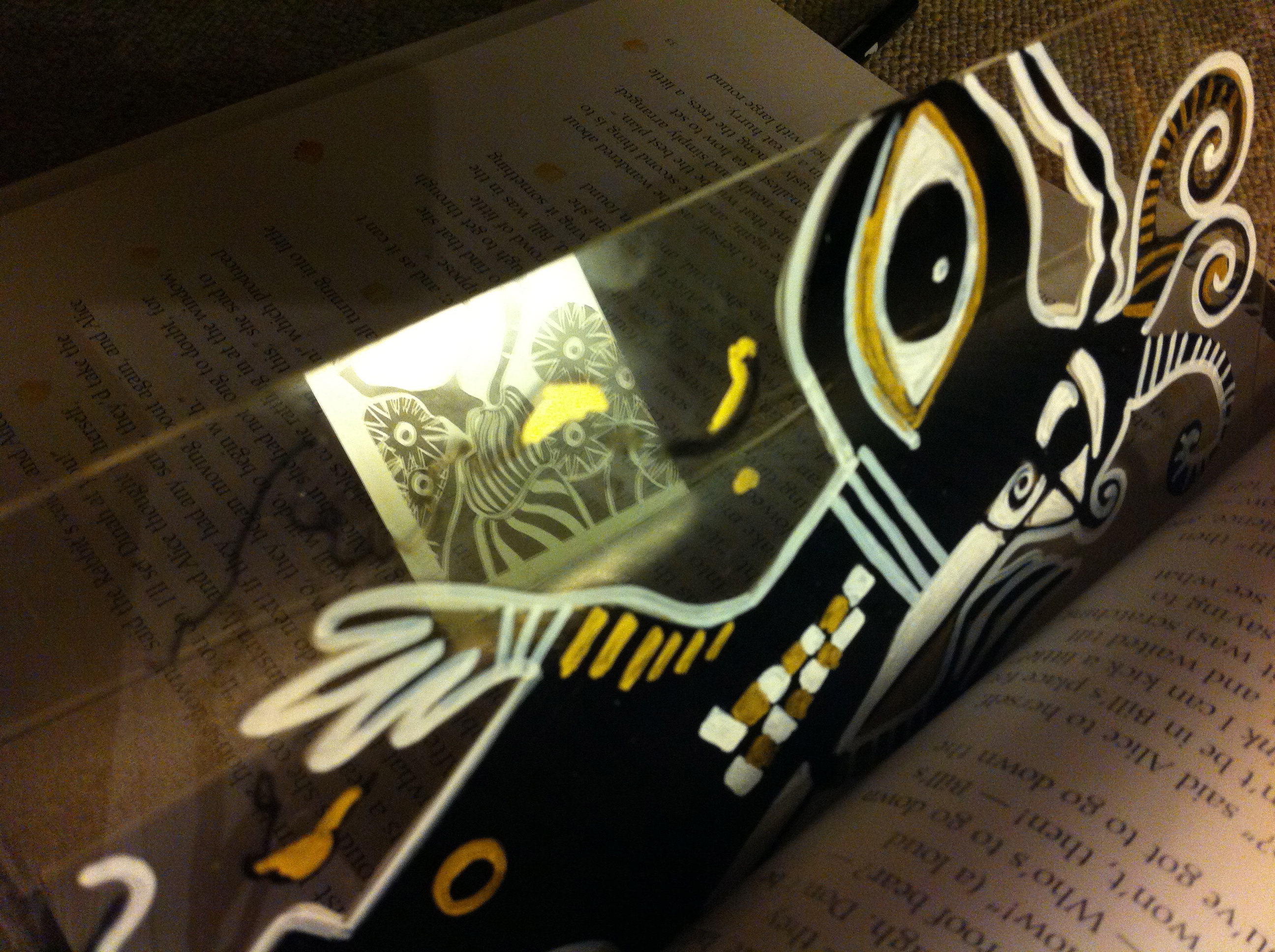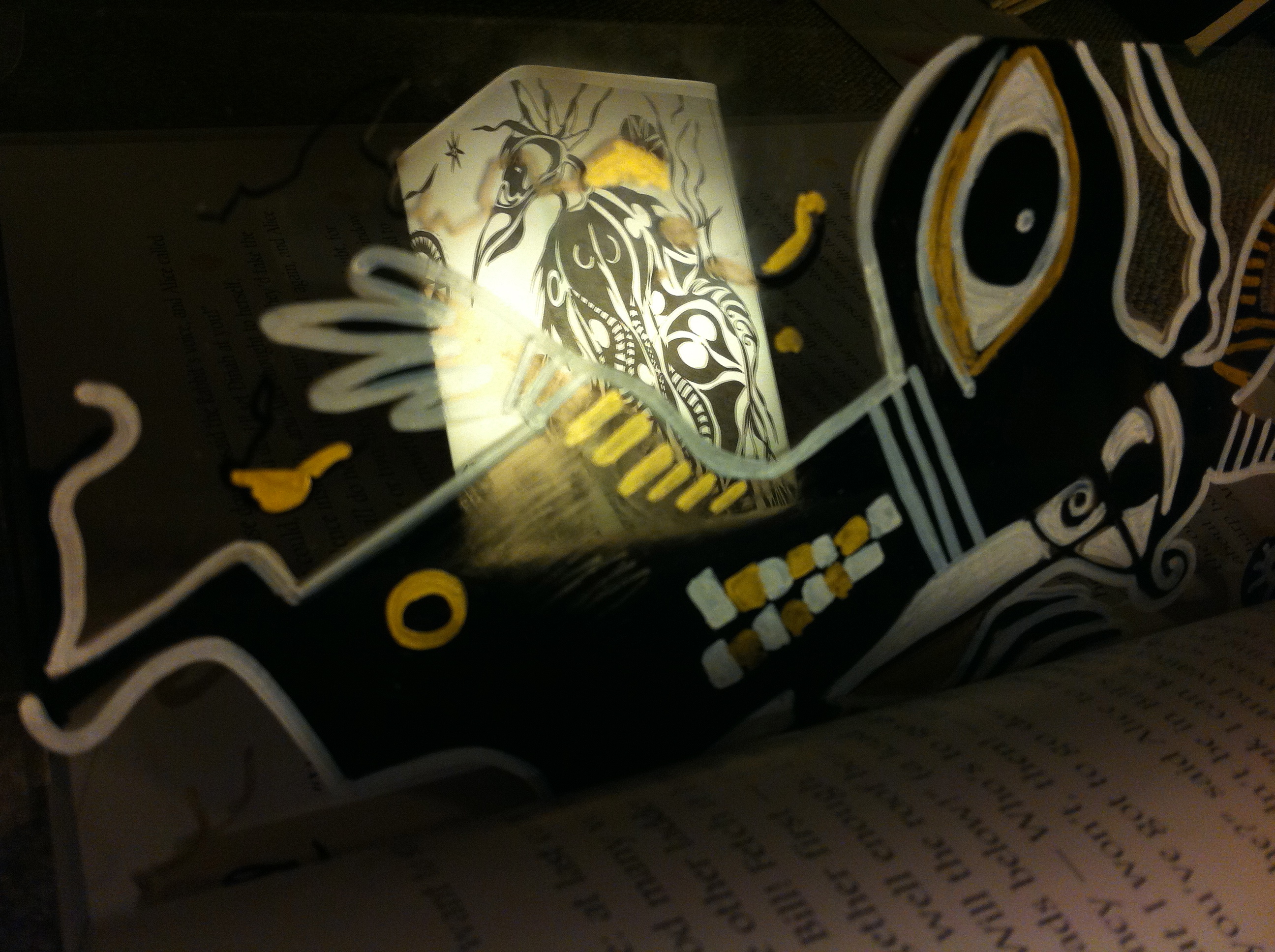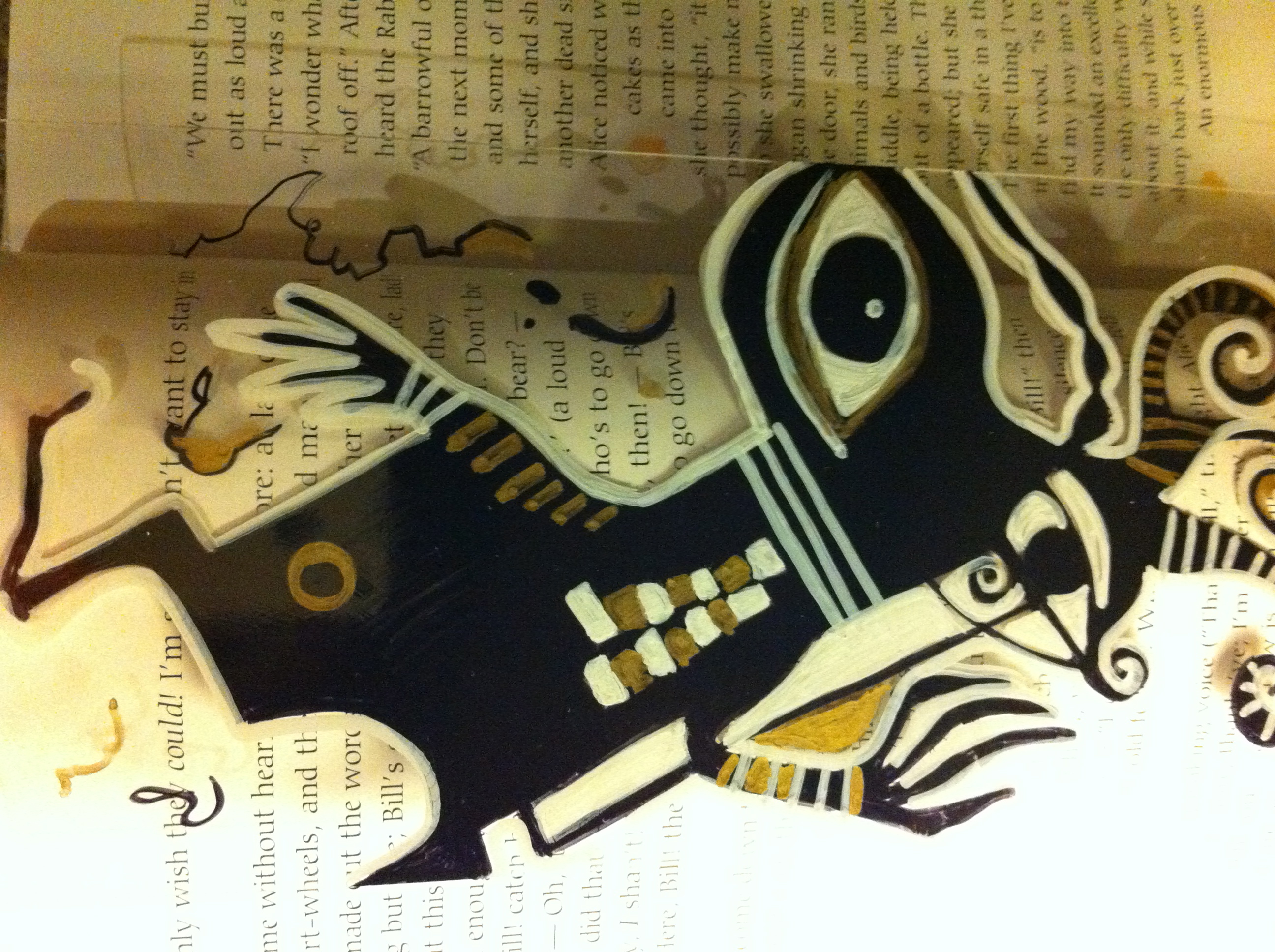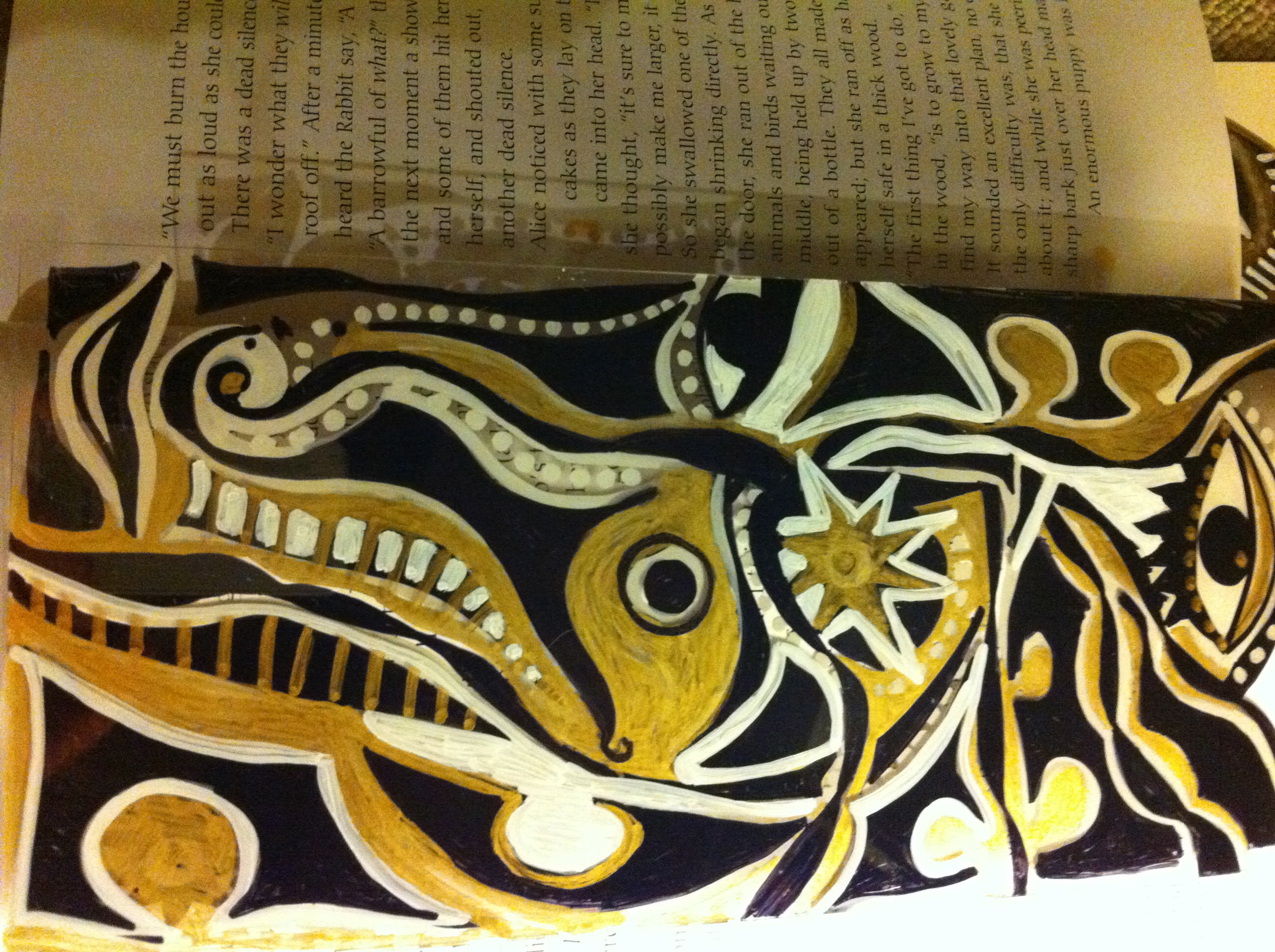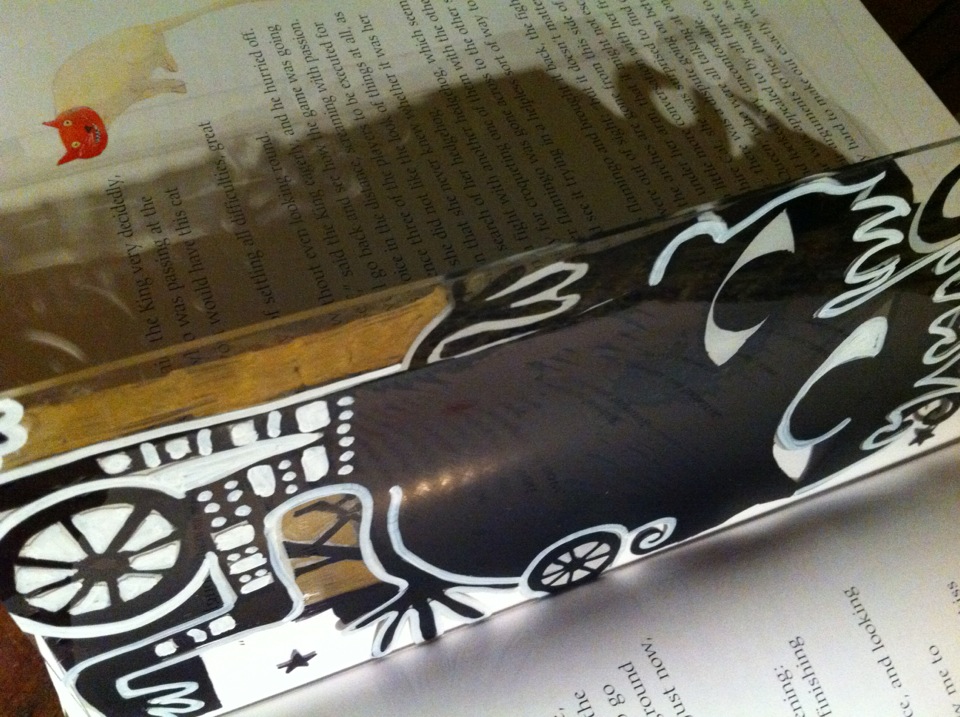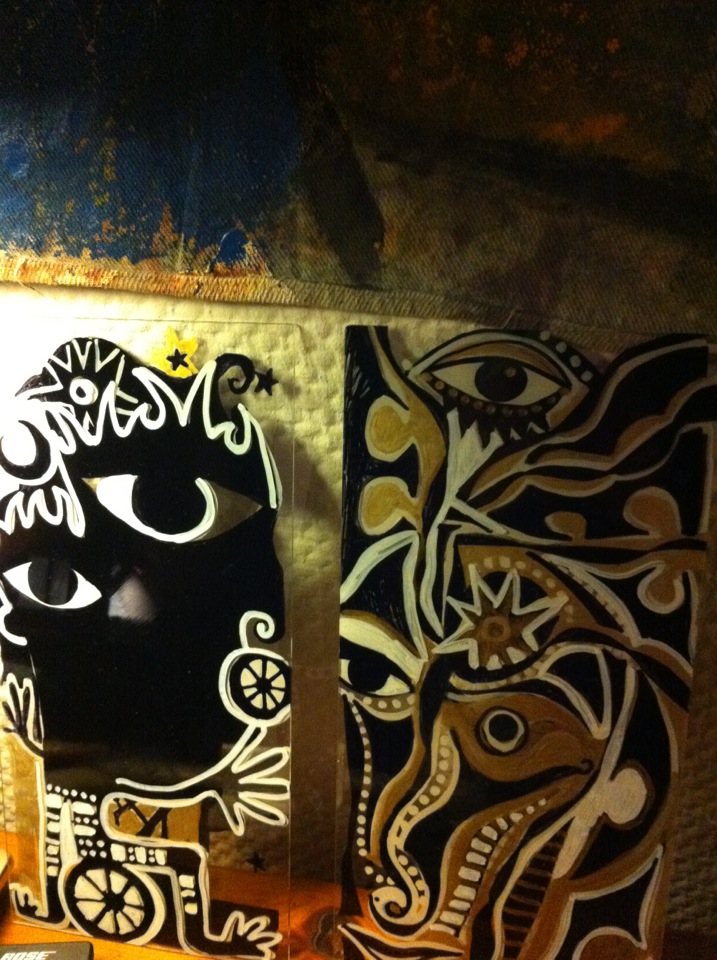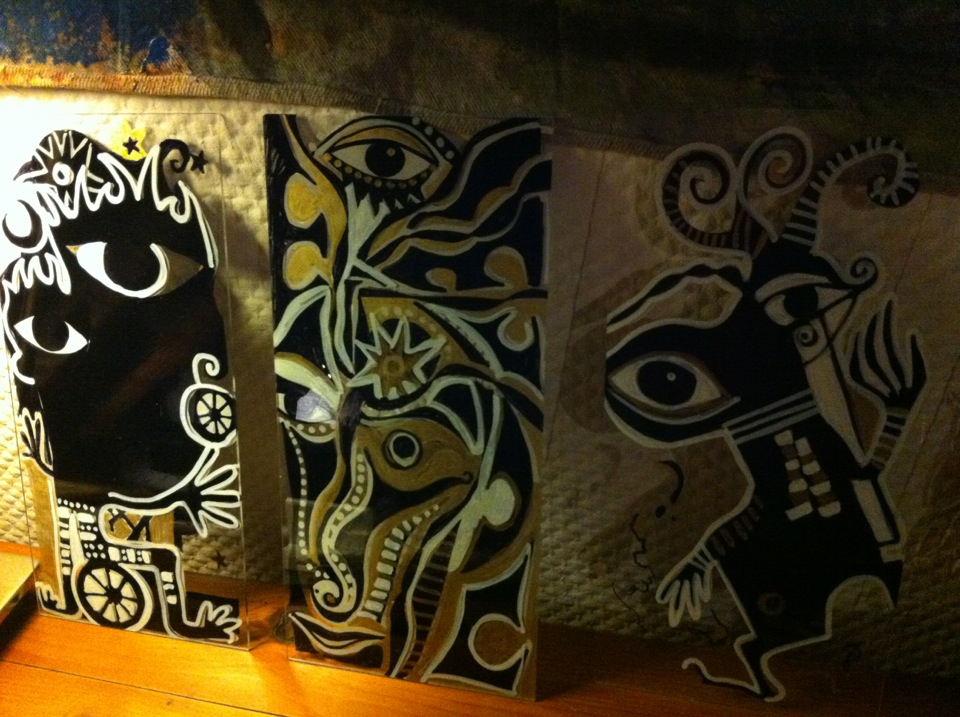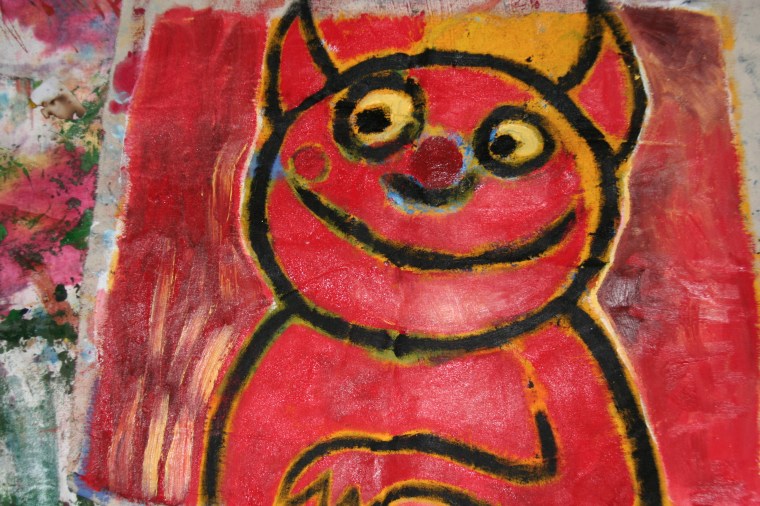
Zur Natur des Rats der Könige und Kriegstreiber – on the nature of the council of kings and warmongers


Once they realized that there was not one king or one queen, but a succession of kings and queens each of whom was “the” king or “the” queen regardless of their individual identity, so that in fact, the king or the queen was not only unconquerable but  actually immortal, that times might change and ideas might change but “the” king or “the” queen” would not, so that one revolutionary, one upraising idea might threaten an individual queen or king and even overthrow them, garrote them, end them, but would have to accomplish this task within one lifetime, while “the” king or “the” queen had all the ages of the world  to wait, witness and rise again, once they realized that “the” king or “the” queen might use this or that war monger to clear the way once time was good and ripe and yet would discard of the warmonger as easily as of the revolutionary as soon the need was satisfied, once they realized that this was so, they also realized that it was not their task to interrupt the fleeting council of kings and queen and warmongers but use their one lifetime to conjure up from the source, the holy grail, a people that were as unconquerable as the grail, giving a random gathering of people a binding, unifying reason to be, to defend their freedom against the usurper through all the ages and to recognize their freedom as not a consequence of liberation but as an unalienable right and quality.
Rat der Kuonige und Kriegstr

Working with young artists

IMG_5531Working with Young Artists

By trade I am a lawyer. Many lawyers do have a passion besides their original profession though, I happen to have three, if you count my love for children in general and my own children in particular. The other two are writing and art. I mention this because you will surely want to know how I am qualified to “teach art” or as I prefer to say: to work with and alongside young artists.

My grandmother used to say I have been born with a brush in one and in pen in my other hand – and as far as I can remember I have been scribbling and drawing on every appropriate surface – and some less suited. That I came to study law is strange, all things considered, but I guess I wanted to try out if I could succeed doing something else and law had always been intriguing to me. It turned out that I could succeed. I graduated with two law degrees – and came straight back to art. And at some point I started doing it both: art and law. Kids have always played a role. I have been teaching all kinds of classes, art and law, over the last ten years, and it has been a truly rewarding part of my life, not just my professional life. As you might imagine, I am never asked how I qualify to teach legal workshops, I am a lawyer after all, but often how come I teach art as well.

I do believe that art is not the esoteric, isolated endeavor that people sometimes take it to be. Artists are well advised to take notice of their world and have an understanding of it that transcends the visual. Beuys pointed out that every person is an artist, that artistic creation is at the center of human life. He went as far as demanding that every physician, scientist, philosopher be first trained in art. I will venture further by saying that the art world would profit if artists would first be trained in a trade that explores the practical aspects of their environment. Every artist is part of a tangible social reality. The training to become a lawyer might in the end not be either so far from or so detrimental to artistic process as is might seem at first.

Why I do love to work with young artists? Because it refreshing to leave the stereotypes that people retreat to as they become older. Every child I have ever had the pleasure to meet turned out to be an original artist (albeit sometimes a frustrated one …).
I respect the creative work children are capable of. As a first hand witness and as someone who still draws and paints, saws and glues every day: There is no time like childhood to experience the joy of art.

I had the good luck to be raised by a grandmother who had the wisdom of an older generation to pretty much let me do whatever I thought appropriate as long as I did not nail her good table linens onto a broomstick for a pirate sail (happened only once) or cut out my great grandmother’s lace to make curtains for fairy dwellings, also a one time never to happen again situation.

However I was allowed to make use of any tool that I would find in my grandfathers tool shed or in the kitchen without anyone trying to figure out if they were child appropriate. I was also allowed to make generous use of old newspapers and magazines, of the newsprint paper that my grandfather, who was publisher of a local newspaper, brought home, and in general of every piece of metal, screw, paper, feather, stone or yes, glass! that I would pick up on our long walks. It never occurred to my grandparents that I might pick up some dangerous germs on the way.

I brought everything home and assembled it very much the way every child will when you do not interfere. I do not know where our desire to “make” things has its origin but I do know that we already possess it as children, together with an instinct of how things fit together. If children are not allowed to roam as freely as I was, they will still build markers from pebbles and stones, they’d still use sticks to draw in sand, build strange, improvised gardens in mud, decorate prefabricated play structures with ritual signs.

To be creative is a basic desire of humans, all humans. It is a genuine expression of who we are even before we are defined by our social and economic circumstances. To teach a child to be creative therefore seems to me an elusive act. I look at children with a sense of awe, they are still there, right at the origin, and all I do as an art teacher is to take them on the same kind of  long walk that I had been privileged to undertake with my grandparents and I simply allow them to discover their world and to collect at will what responds to their own desire of creating this world new. If we’d allow our children more freedom and time to explore their own world and provide them with materials that are not dedicated to specific purposes, we could cut back on many extracurricular activities. Let them venture out there and the artist that lives in every one of us but is acutely alive in our children is ready to meet all the great challenges of art right in our neighborhood.

To come back to the question of my own expertise: I do believe with visionary clarity that it is not my academic expertise that is relevant. It is my willingness to acknowledge and celebrate children as the artists they are. I do believe that art is not a matter of paper and ink, of perspective and shading, I do believe though art techniques can be taught art cannot, no more than breathing, walking, seeing. It is something that happens when things go right or when you have to make them come out right. Art is life.

map of a brain on fire

map of a brain on fire

i will write up the contract
entitling you to
a map of my brain, that world on fire,
almost like the contract
we roughly sketched with a yellow pencil stub
(for authenticity)
on the ripped-out fly-leaf
of the iliad in my grandfather’s study.
(sacrilege!)

we were children then
but that is not an excuse

i will write up the contract,
not for nothing
did i go to law school to learn how to
negotiate that what cannot be agreed upon,
how to arrange the terms of a transaction
that is to lead to mutual discontent,
for content is not to be gained through negotiation
and mutual discontent will have to do

we were children no more then
but that is not an excuse

your signature stands in for
your body so it better be water proof ink.
maybe we were smarter still
when we used that yellow pencil stub
to draw a contract
that neither of us meant to honor.
we were pirates after all.

children do grow up
but that is not an excuse

so let us sign it in waterproof ink then,
against our better judgment.
here is your letter of entitlement,
all i ask in return is
the right to keep that old flyleaf,
signed in pencil.

good luck to you now.
i forgot to inform you
that this kind of contract cannot be
specifically enforced,
but then again,
you didn’t care for the flyleaf,
did you.

we are but children.
and that shall be our only excuse.

Was ist CIRCUS UTOPIA ART Press?

Was ist CIRCUS UTOPIA ART Press?

Der Name CIRCUS UTOPIA für meine Arbeit in der Schnittstelle “Kunst & Recht” entstand aus einer Eingebung. Der Wunsch, dass Menschen unterschiedlichster Weltanschauungen miteinander ins Gespräch kommen können, ohne ihre eigenen Positionen aufzugeben und doch mit einem offenen Ohr für die Ideen anderer, mag utopisch erscheinen. Aber wir schulden es unseren Kindern, es jedenfalls zu versuchen, ihnen die hierfür notwendigen Werkzeuge mit auf den Weg zu geben. Ich habe ehemalige Schülerinnen und Schüler und ihre Eltern gefragt, was Circus Utopia für sie bedeutet.

Joy Ann Lara, Westfield, NJ, artist, mother of two sons who were taking classes in my studio:

Art is a universal language. Experiencing it with Kristina through her art classes for children has enabled my sons to express themselves at a time when words failed to capture the range and intensity of their feelings. Making art built a bridge that spanned isolation and misunderstanding, and provided a sense of home and safety that mere words–even words coming from those who loved them and tried to protect them — could not. While I love words and treasure their eloquence, I recognize that images (visual art) are somehow more visceral, purer, and can be more powerful in conveying “hard to describe” things. When words fail, art picks up and moves it forward.

Experiencing art is vital to a connection with our innate creativity. It touches all aspects of our lives, not just areas that are obviously “creative”. Art practices the ability to re-imagine and rebuild. And rebuilding, don’t you think, is indeed a daily task that determines the shape and viability of our future.

Alena, 17, Schülerin, Hamburg:

Circus Utopia Art Press ist für junge Menschen die freiwillig Lust haben sich mit Rechten auseinander zusetzen. Ich finde gerade für uns Jugendliche ist es eine tolle Möglichkeit, die Rechte kennenzulernen. Wir sind uns vielen Rechten nicht bewusst, wir haben in den Stunden die Möglichkeiten mit anderen Schülern, unsere Meinungen auszutauschen. Es bringt uns viel Spaß. Ich finde, das dieses “Unterrichtsfach” an allen Schulen unterrichtet werden sollte, denn es ist wichtig, sich mit dem Gesetzen sowie auch mit der Welt und verschiedenen Kulturen auseinander zu setzen. Es ist schwer diese große Welt zu verstehen, doch mit bunten Farben vereinfacht unsere Dozentin uns es. Sie hat ein tolles Engagement und ich würde mir wünschen das mehr Lehrer/in gibt, die Lust haben dieses Fach zu unterrichten.

Rebecca Miriam, 20, Jurastudentin,Leipzig:

Circus Utopia macht es mir möglich jegliche Sprache zu verstehen. Und hiermit meine ich nicht nur Ländersprachen, sondern die Sprachen der Menschen verschiedener Kulturen, verschiedener Weltanschauungen. Schwarz auf weiß, so steht es geschrieben. Wer bin ich? Wer sind die anderen? Wie funktioniert ein Miteinander? Doch in einer Welt, die so komplex ist, reichen Schwarz und Weiß nicht aus. Farben helfen zu verstehen.

Janne S., Schülerin, Hamburg, 19:

Circus Utopia Art Press ist für junge Menschen eine Form sich mit Rechten und Gesetzen auf kreative Art und Weise auseinanderzusetzen.  Innerhalb des Kurses geht es darum, sich eigenen Gedanken zu machen und diese durch andere Aspekte und neue Perspektiven zu ergänzen. Es geht nicht um die Bewertung von Gesetzen, sondern es geht um das Auseinandersetzen damit. So bekommt man einen Eindruck davon, was Gesetze sind, warum sie für uns eine wichtige Rolle spielen und welche Möglichkeiten wir durch sie haben. Nur wer ein Gesetz versteht, kann für sich entscheiden, ob er dieses akzeptiert oder ob er es in Frage stellen möchte. Unabhängig davon wie man ein Gesetz findet, kann man lernen, sachlich und respektvoll seine Meinung zu äußern, ohne dabei einen Anderen persönlich zu verletzen oder anzugreifen. Gesetze sind dazu da, sie zu verstehen und um über das Verstandene dann zu diskutieren. Man sollte froh sein, dass es für junge Menschen die Möglichkeit gibt, sich in dieser Form mit dem Gesetz auseinanderzusetzen, denn es können nur neue und sinnvolle Gesetze beschlossen werden, wenn alte überdacht werden. Innerhalb einer Demokratie ist es erlaubt, Fragen zu stellen, genauso wie es erlaubt ist, zu sagen, dass man bestimmte Themen nicht besprechen möchte. Keiner ist gezwungen sich zu etwas zu äußern, man bekommt aber die Möglichkeit dazu, wenn es einem ein Bedürfnis ist. Sich zu äußern bedeutet nicht, anderen seine Beweggründe mündlich schildern zu müssen, man kann sich auch künstlerisch ausdrücken. Das ist eine Besonderheit dieses Kurses und es gibt introvertierten,sowie extrovertierten Menschen die Chance, sich hier einzubringen. Für mich persönlich ist der Kurs eine Form den eigenen Horizont zu erweitern, um in seiner Persönlichkeitsentwicklung voranzukommen, indem man Dinge versteht. Nur wer selber versteht, kann Anderen beim Verstehen helfen und somit Entwicklung fördern. Unsere Dozentin gelingt dies besonders gut, da sie sich als Person sehr zurücknimmt und somit Raum für neue Ideen und Ausdrucksmöglichkeiten der Schüler lässt. Solche einen Unterricht und dieses Engagement hätte ich mir in meiner Schulzeit von meinen Lehrern gewünscht.

Lotta M., Mode Designerin, NUSUM, Hamburg, 26:

Für mich ist CIRCUS UTOPIA ein Projekt, das Kunst lebendig macht, zum Träumen anregt. Die Welt bräucht Träumer, Künstler, Denker. CIRCUS UTOPIA macht die Welt ein Stück bunter! Ich selbst habe immer eines von Kristinas Monstern dabei und zeige ihm die Welt wenn ich Reise!