Monstrous Creative Frenzy
The more legal work there is the more creative output i seem to generate.

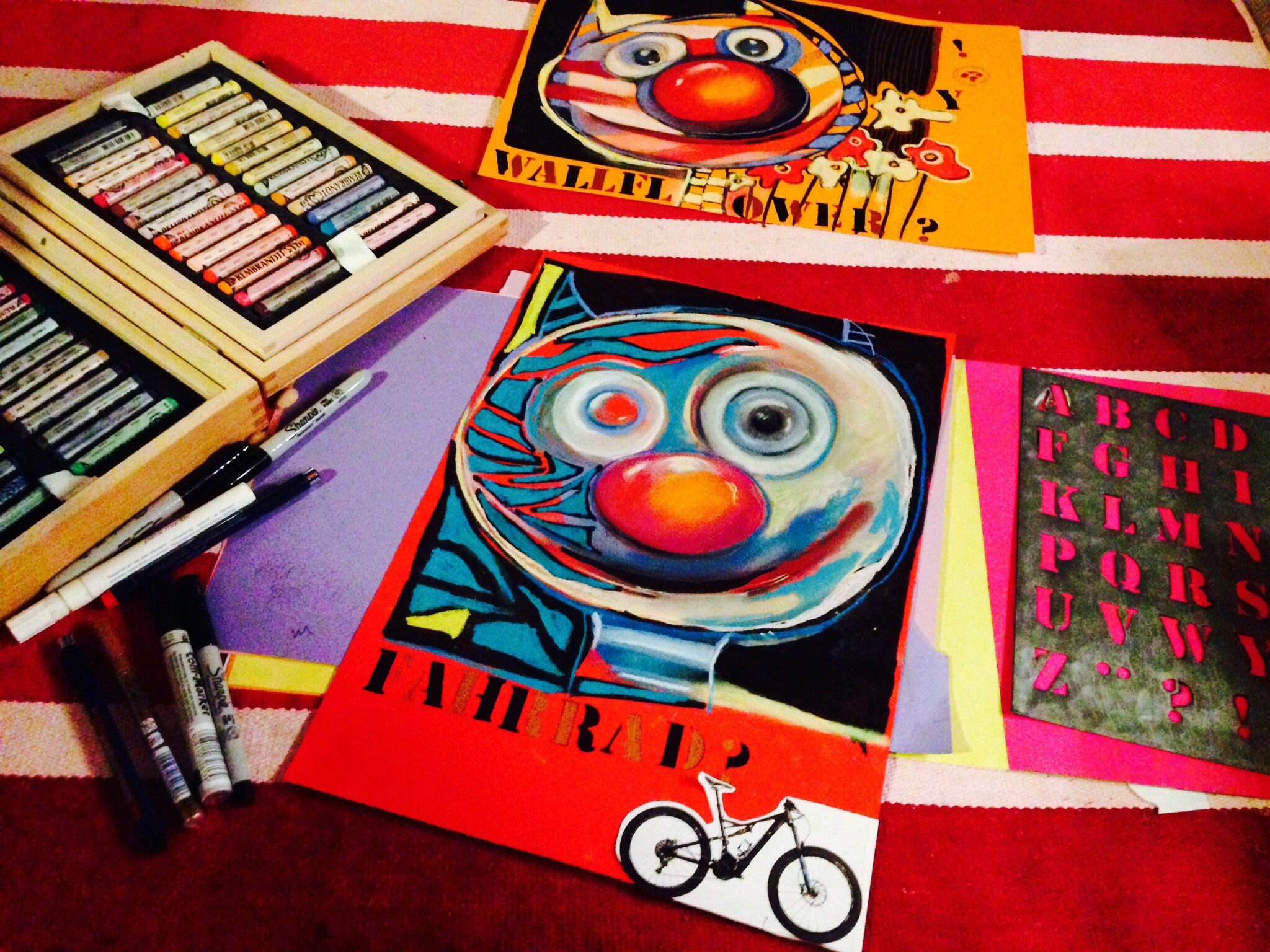
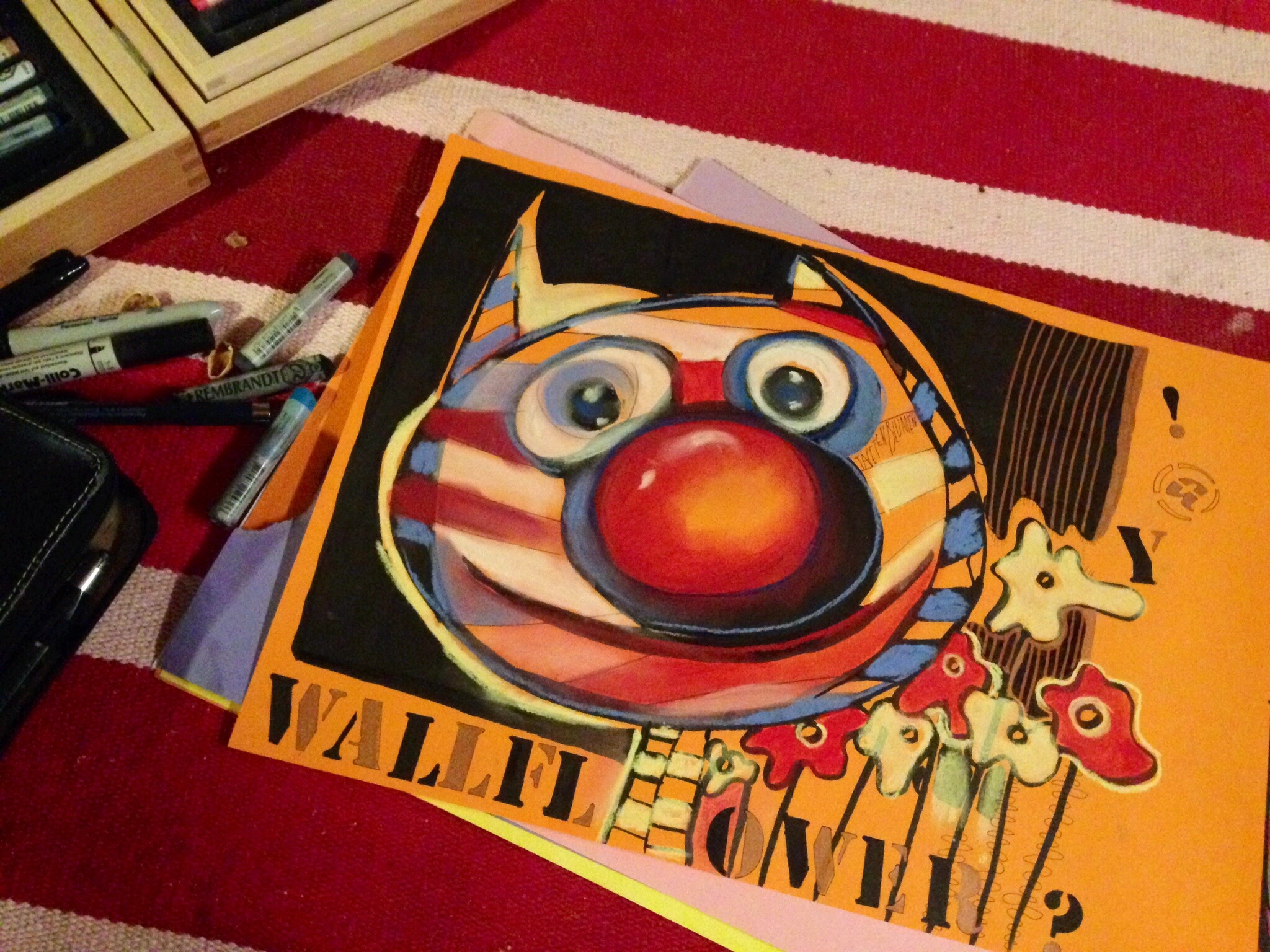
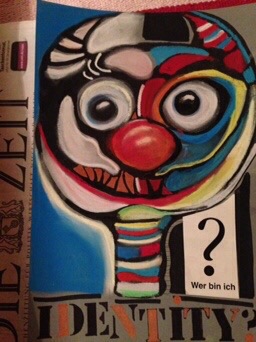
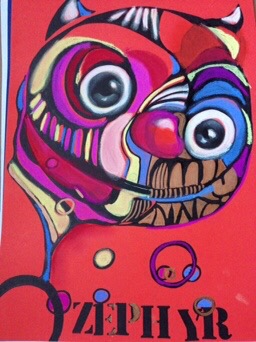

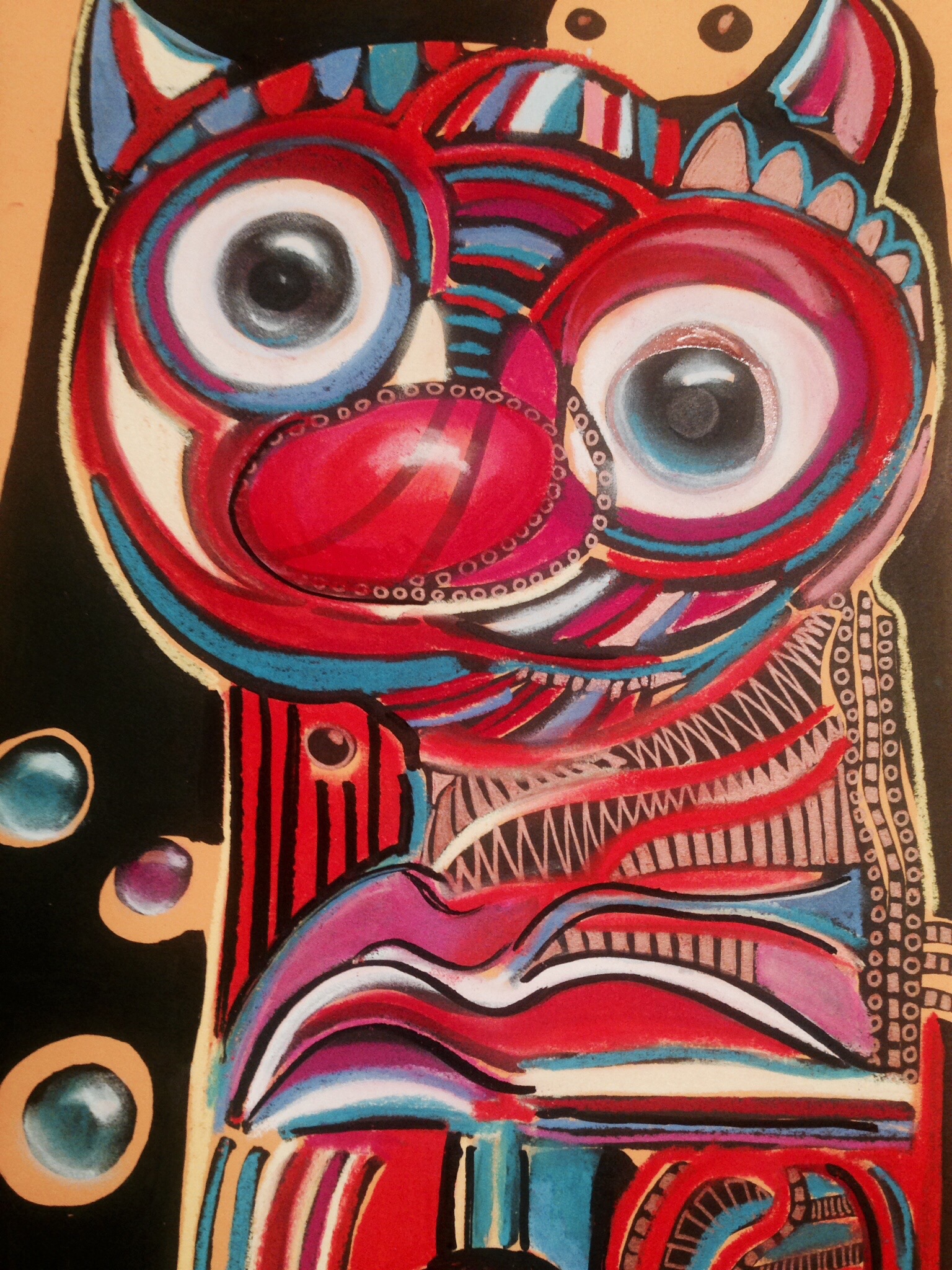
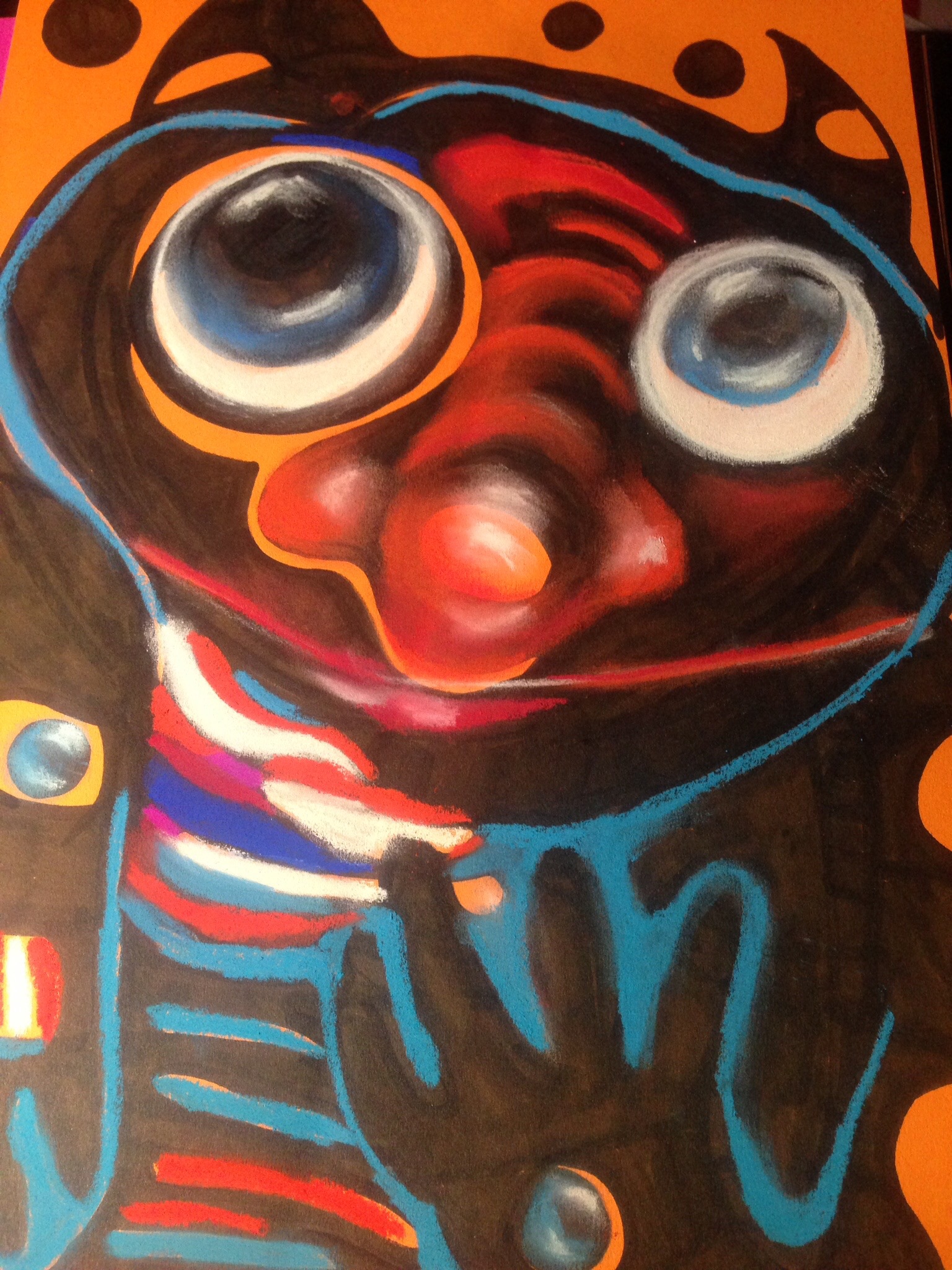
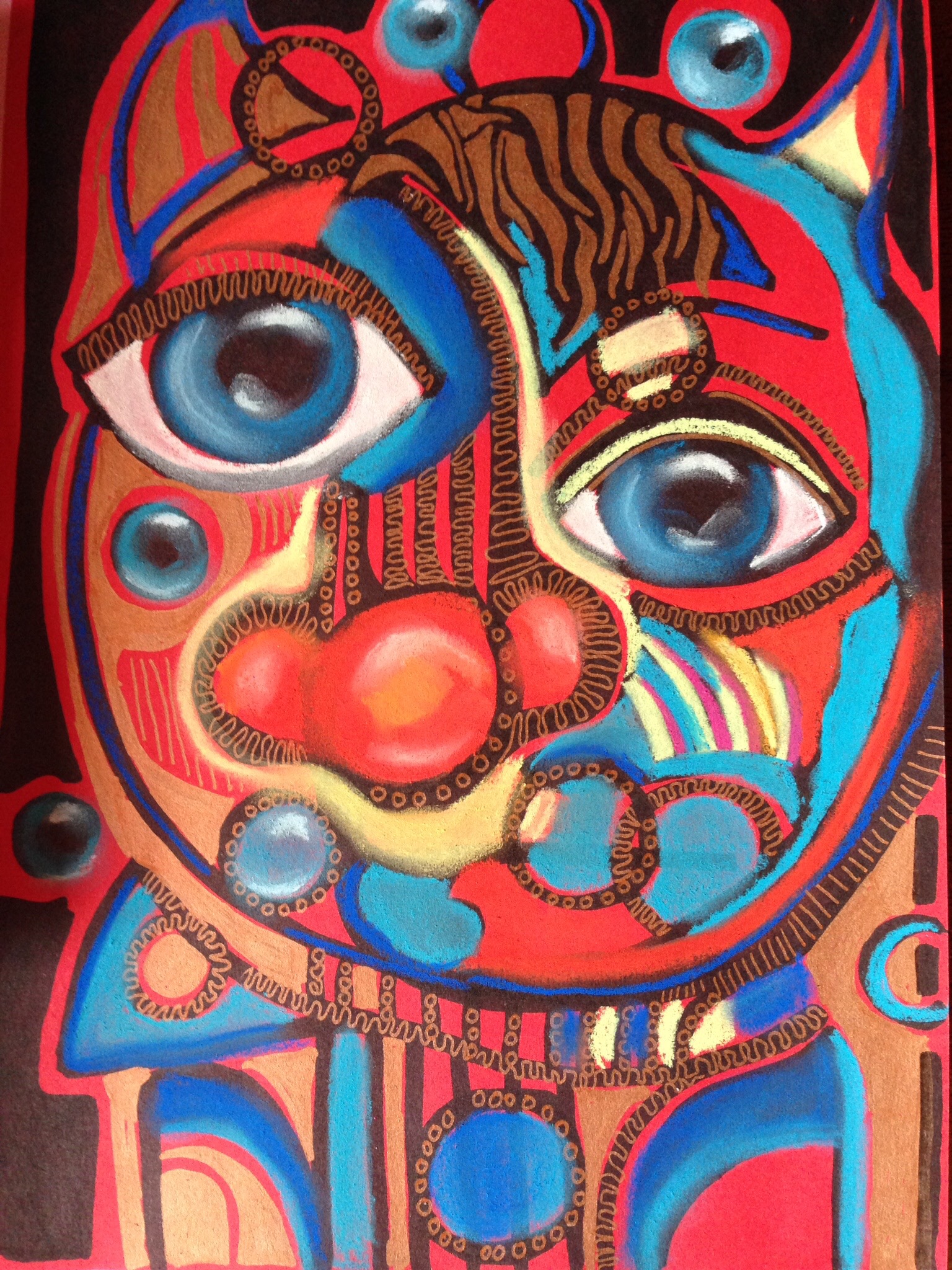
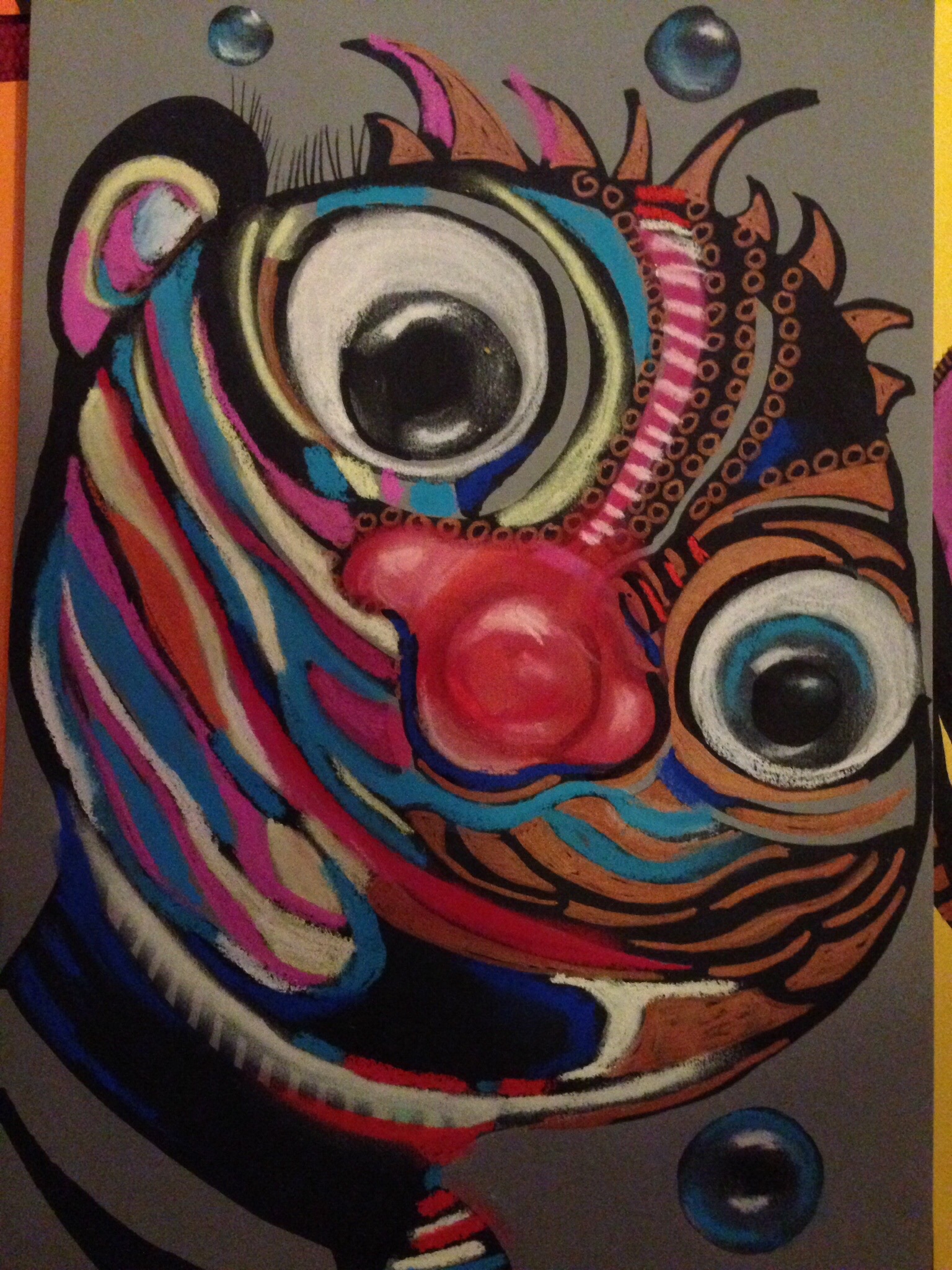
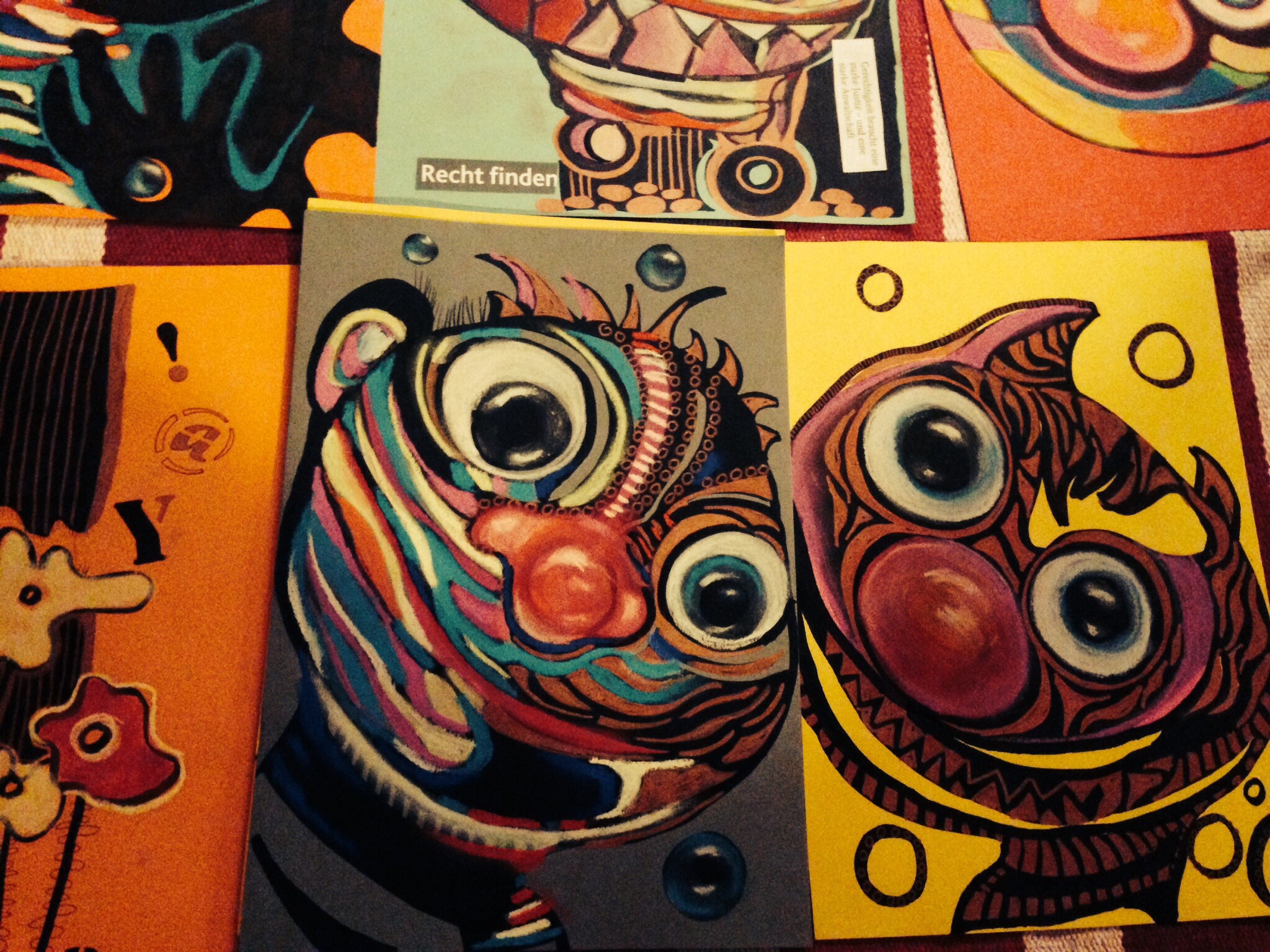
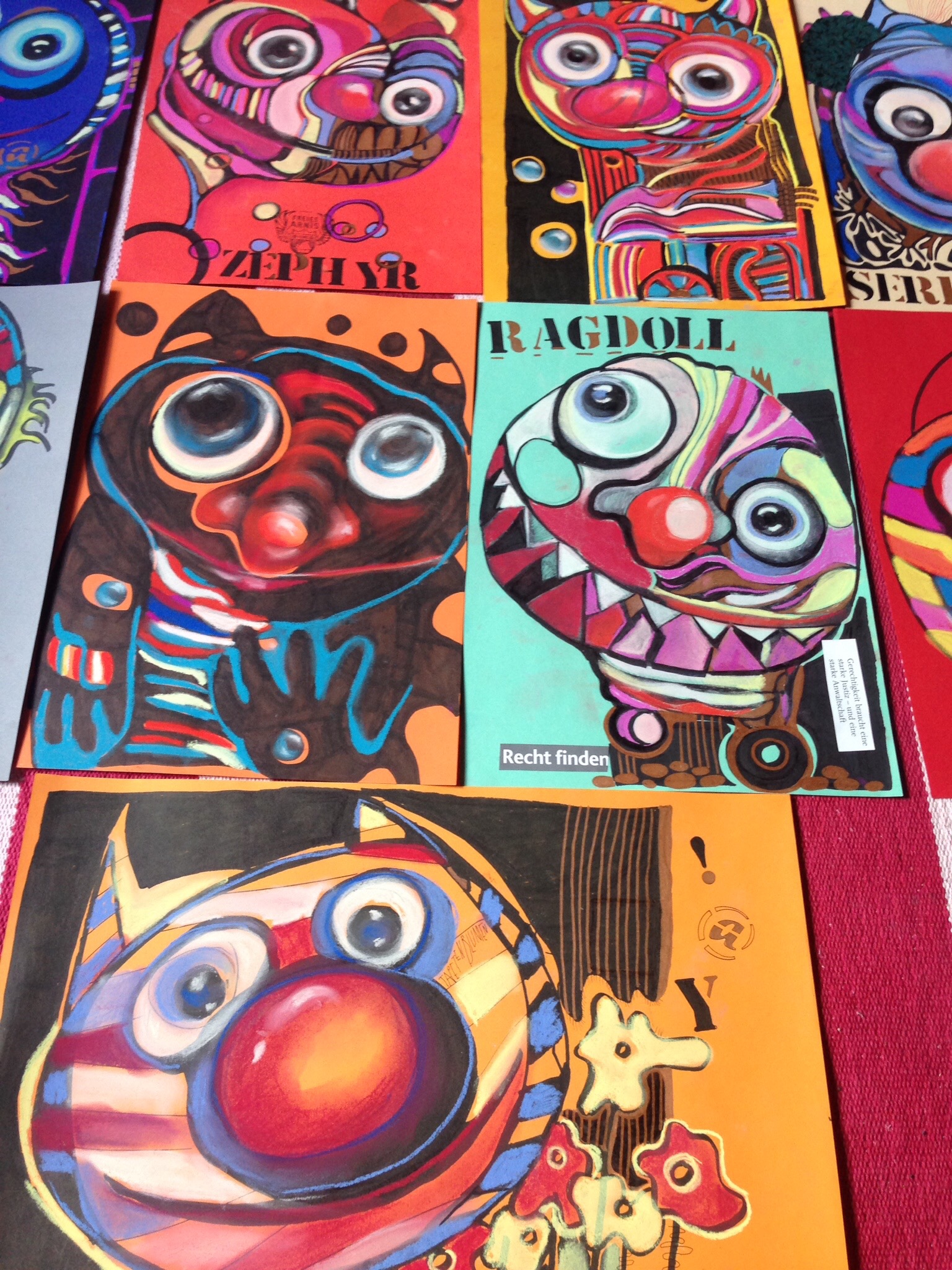
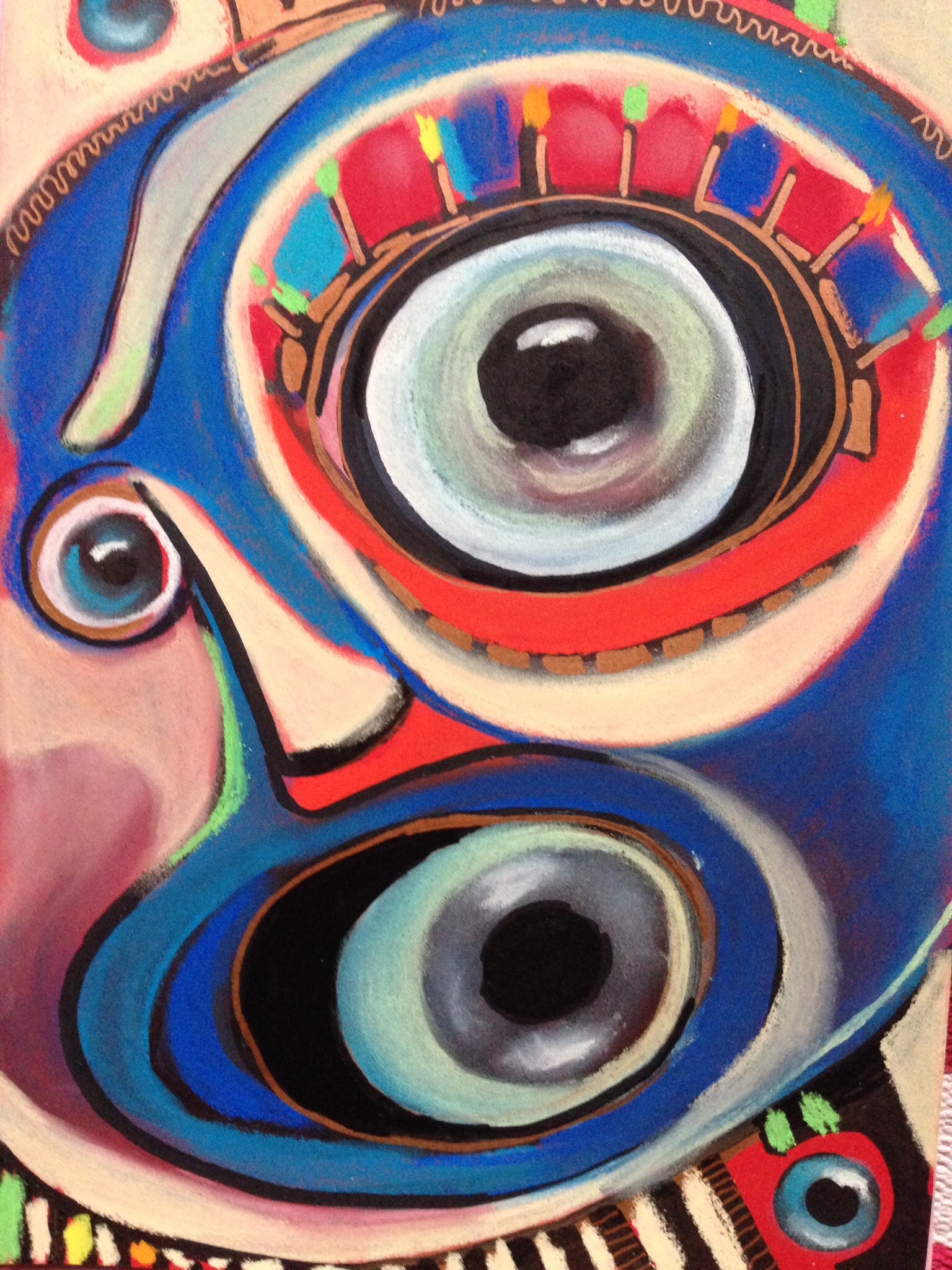
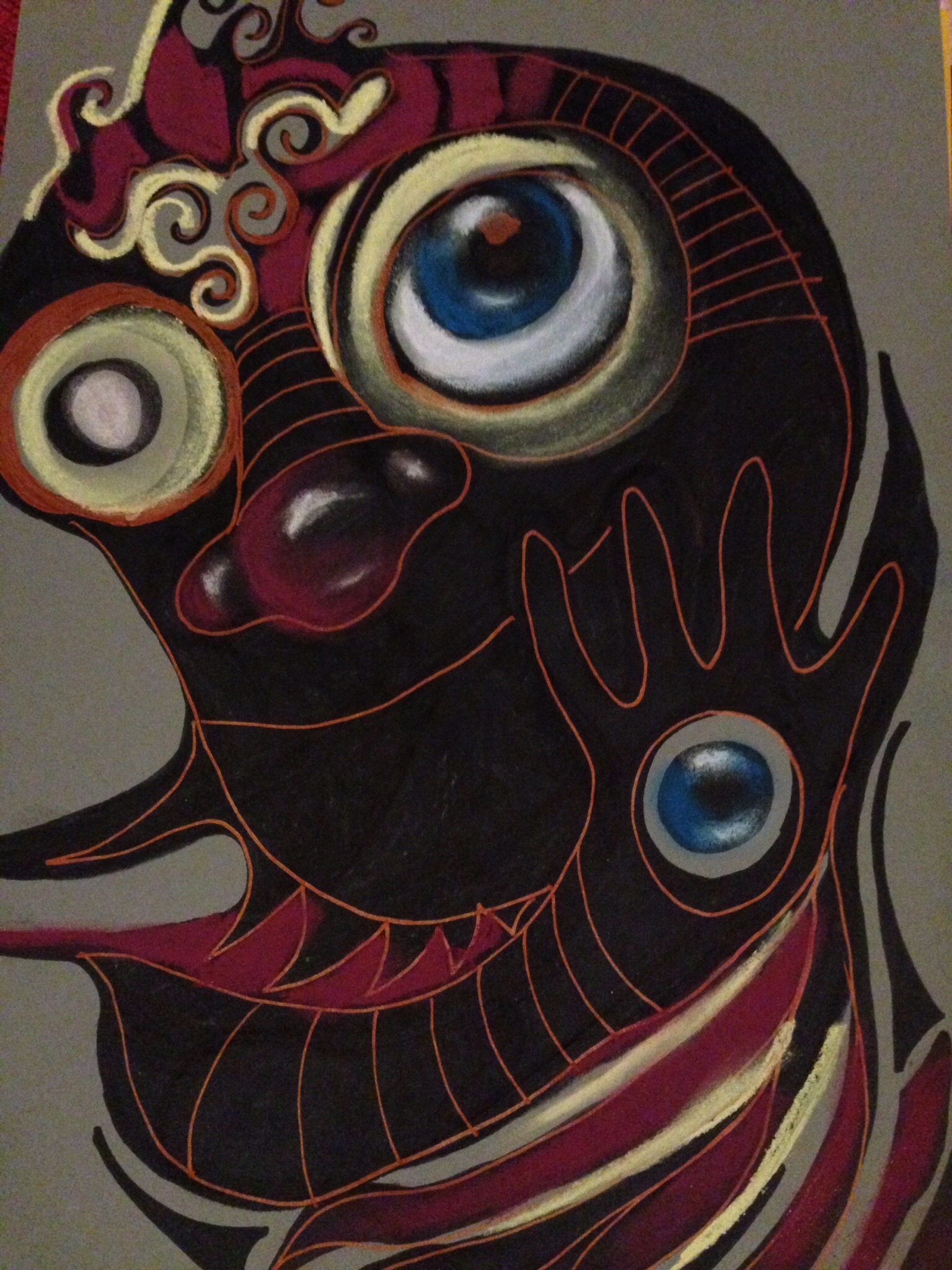
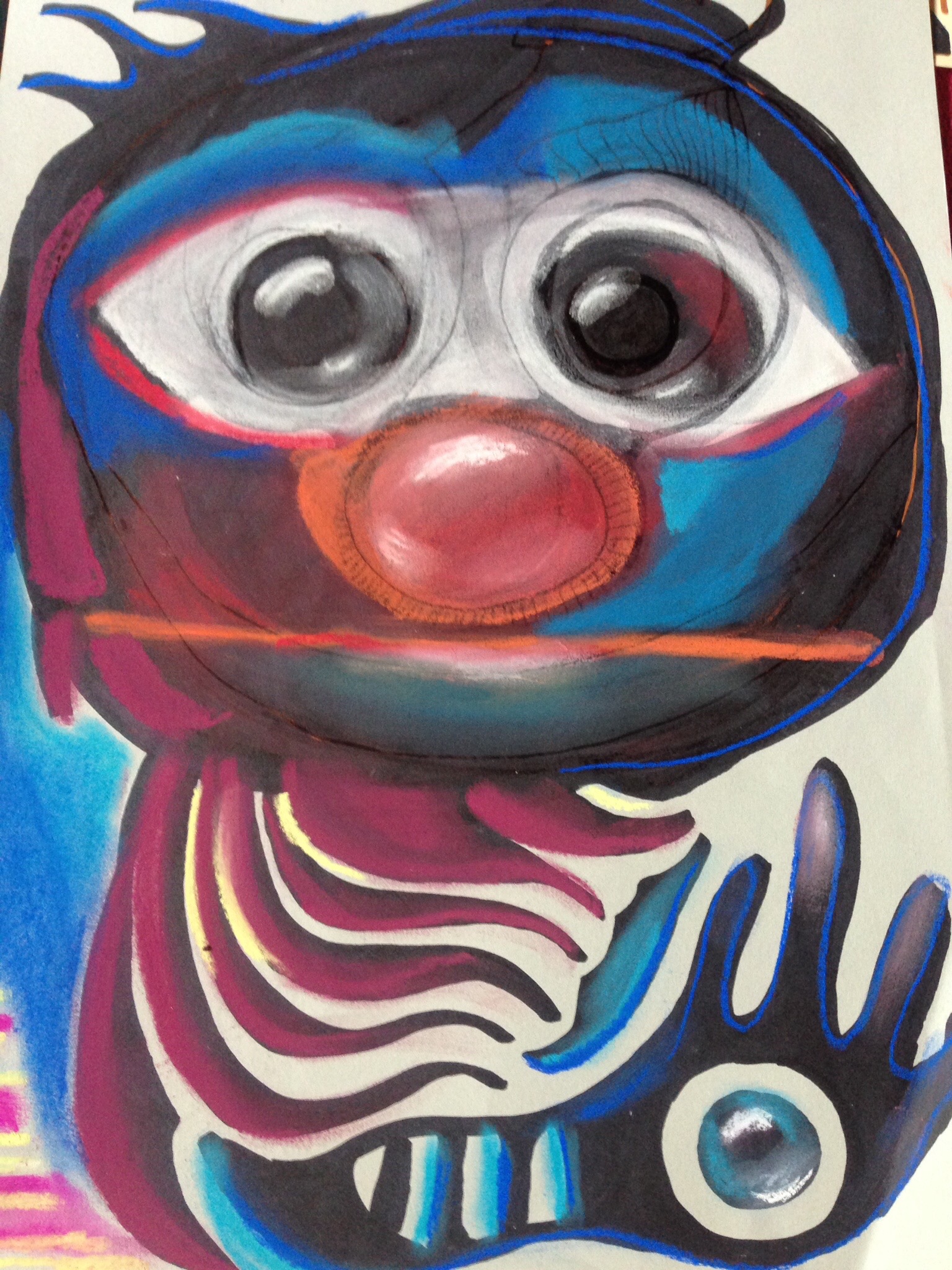
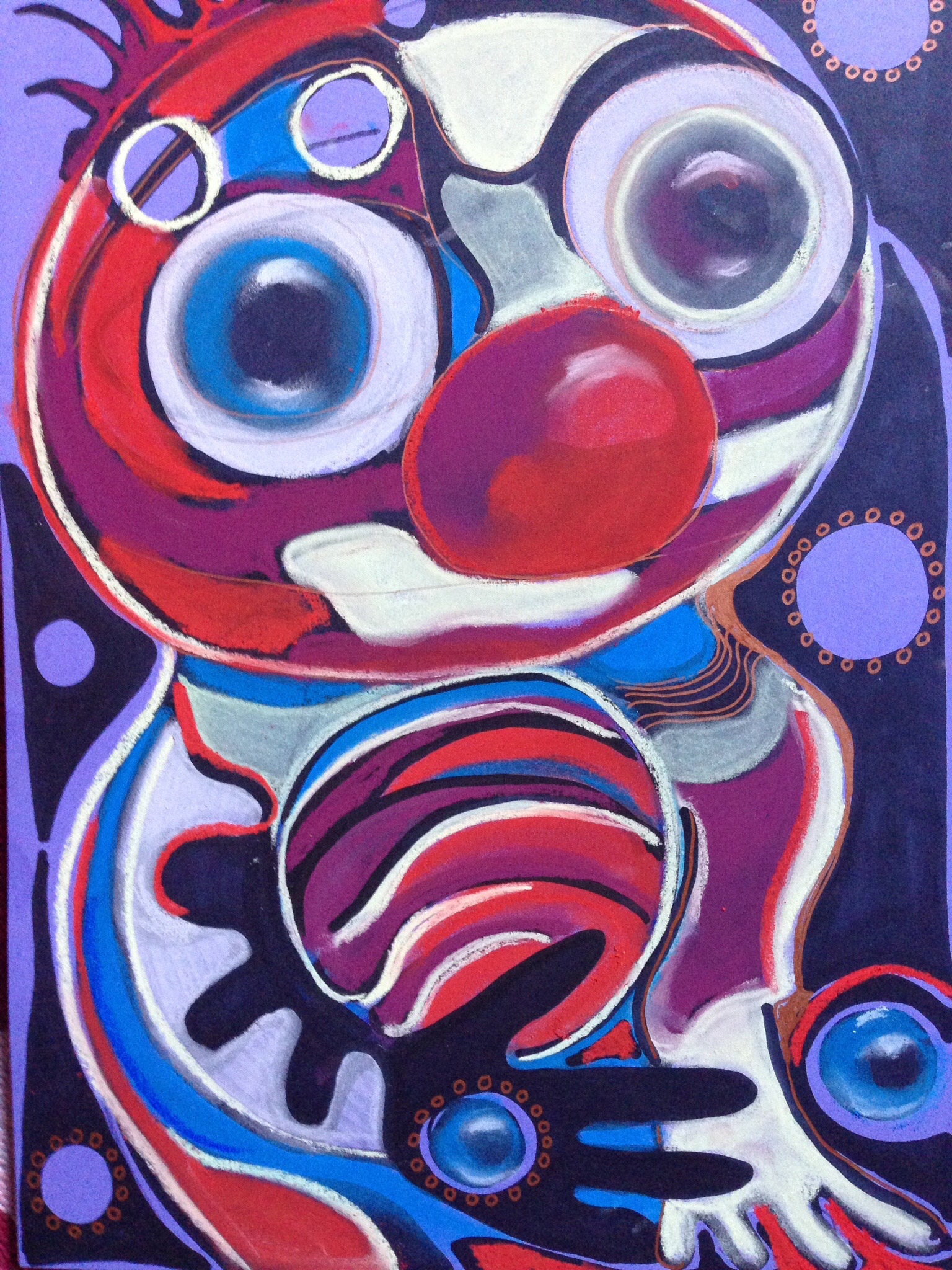
The more legal work there is the more creative output i seem to generate.
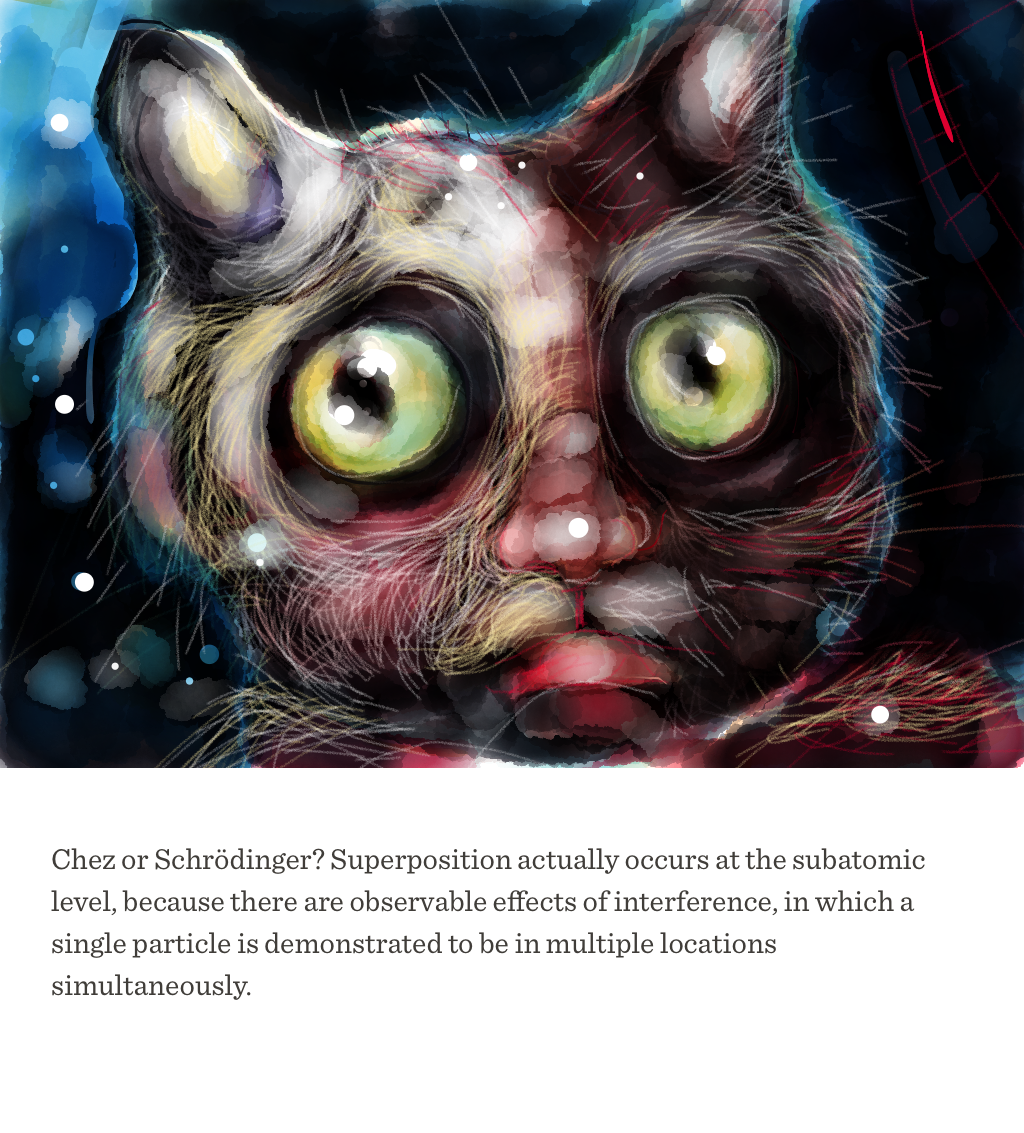
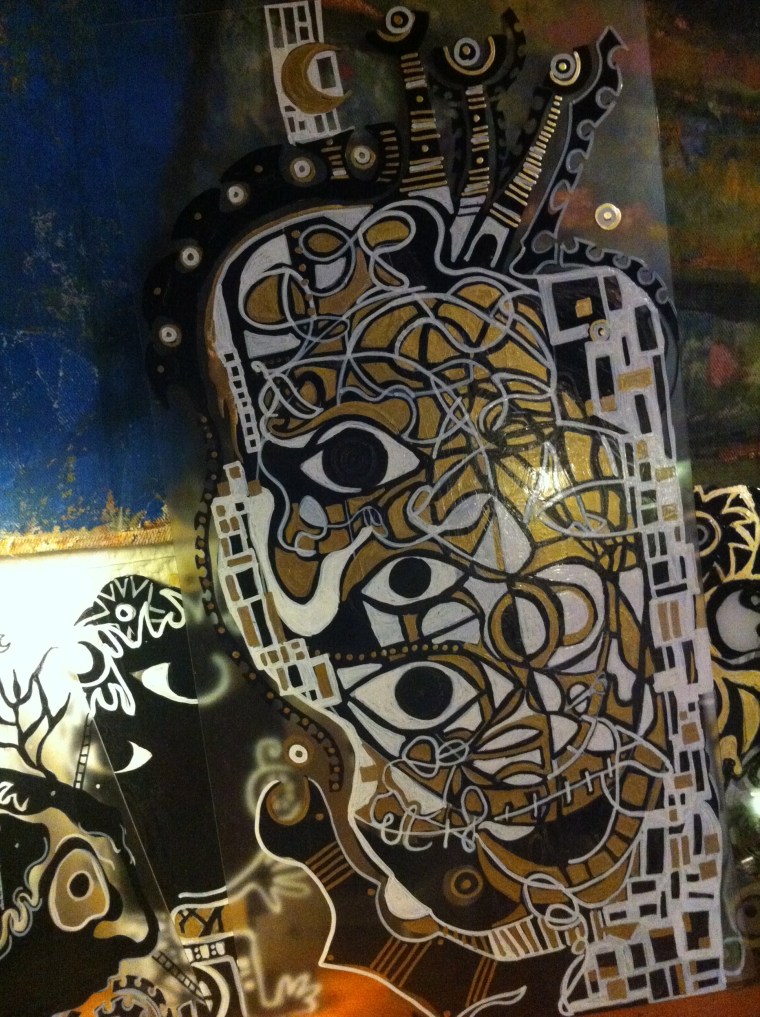
After a couple of years working part time as a lawyer I just started working in a full time position. The first week brought me to about 50 hours and an additional 13 hours commuting time. My brain – while obviously mostly occupied with cases and briefs – feverishly tries to establish a parallel sphere in which running, art and writing might still have a serious existence. While it is hard to get out paints at night digital sketches have been a kind of substitute for my art deprived brain. As for non- legal language impact I have been listening to David Foster Wallace while driving and Proust. In search of lost time. One does not need a psychologist to figure out why these are the choices that offered themselves. As for Schrödinger’s Cat: Only while rereading the small blurb on superposition under my sketch did I realize why the idea has found its way into my nightly art fix: the effect in which a single particle is demonstrated to be in multiple locations simultaneously.
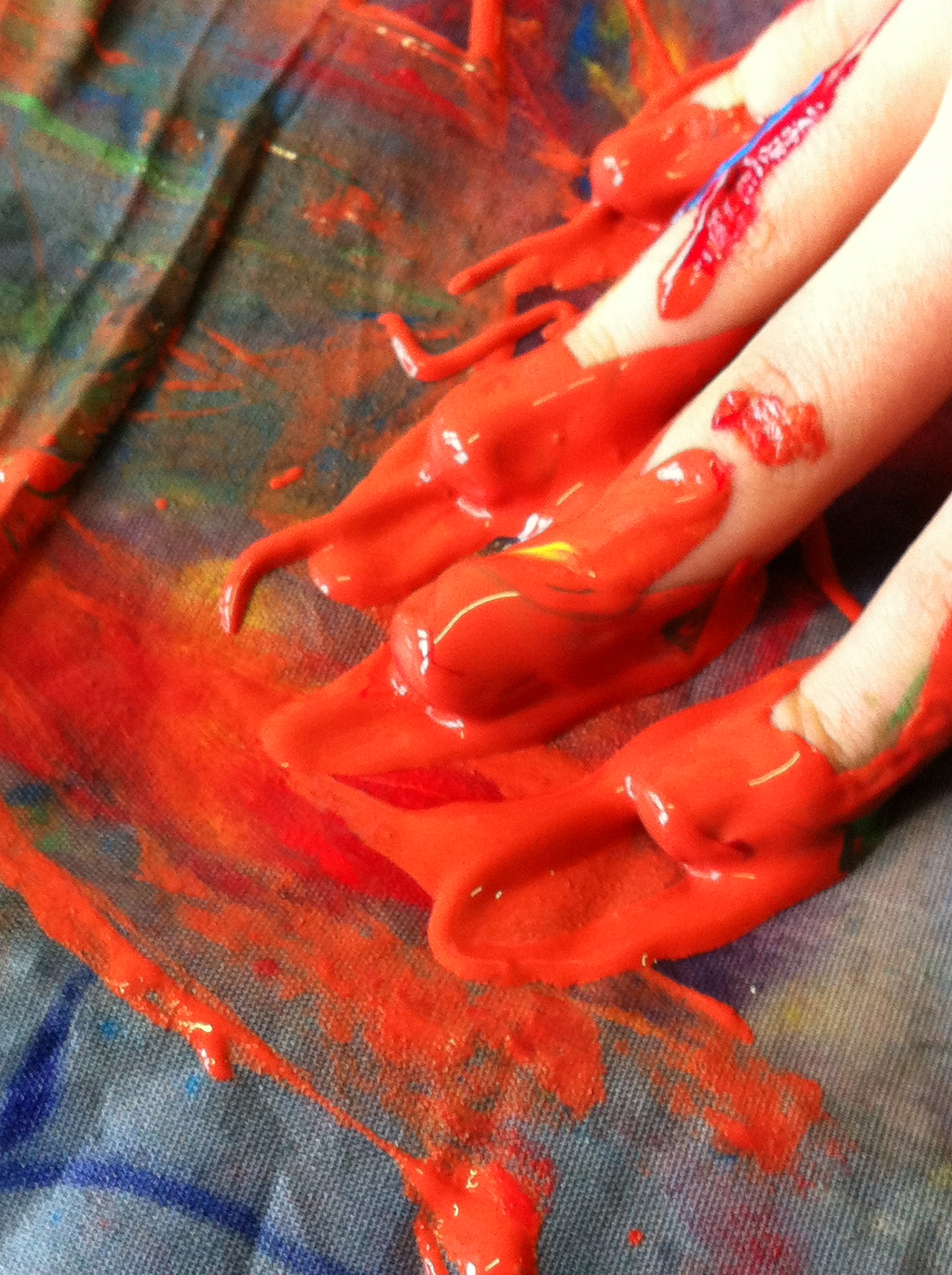 Working with Young Artists
By trade I am a lawyer. Many lawyers do have a passion besides their original profession though, I happen to have three, if you count my love for children in general and my own children in particular. The other two are writing and art. I mention this because you will surely want to know how I am qualified to “teach art” or as I prefer to say: to work with and alongside young artists.
My grandmother used to say I have been born with a brush in one and in pen in my other hand – and as far as I can remember I have been scribbling and drawing on every appropriate surface – and some less suited. That I came to study law is strange, all things considered, but I guess I wanted to try out if I could succeed doing something else and law had always been intriguing to me. It turned out that I could succeed. I graduated with two law degrees – and came straight back to art. And at some point I started doing it both: art and law. Kids have always played a role. I have been teaching all kinds of classes, art and law, over the last ten years, and it has been a truly rewarding part of my life, not just my professional life. As you might imagine, I am never asked how I qualify to teach legal workshops, I am a lawyer after all, but often how come I teach art as well.
I do believe that art is not the esoteric, isolated endeavor that people sometimes take it to be. Artists are well advised to take notice of their world and have an understanding of it that transcends the visual. Beuys pointed out that every person is an artist, that artistic creation is at the center of human life. He went as far as demanding that every physician, scientist, philosopher be first trained in art. I will venture further by saying that the art world would profit if artists would first be trained in a trade that explores the practical aspects of their environment. Every artist is part of a tangible social reality. The training to become a lawyer might in the end not be either so far from or so detrimental to artistic process as is might seem at first.
Why I do love to work with young artists? Because it refreshing to leave the stereotypes that people retreat to as they become older. Every child I have ever had the pleasure to meet turned out to be an original artist (albeit sometimes a frustrated one …).
I respect the creative work children are capable of. As a first hand witness and as someone who still draws and paints, saws and glues every day: There is no time like childhood to experience the joy of art.
I had the good luck to be raised by a grandmother who had the wisdom of an older generation to pretty much let me do whatever I thought appropriate as long as I did not nail her good table linens onto a broomstick for a pirate sail (happened only once) or cut out my great grandmother’s lace to make curtains for fairy dwellings, also a one time never to happen again situation.
However I was allowed to make use of any tool that I would find in my grandfathers tool shed or in the kitchen without anyone trying to figure out if they were child appropriate. I was also allowed to make generous use of old newspapers and magazines, of the newsprint paper that my grandfather, who was publisher of a local newspaper, brought home, and in general of every piece of metal, screw, paper, feather, stone or yes, glass! that I would pick up on our long walks. It never occurred to my grandparents that I might pick up some dangerous germs on the way.
I brought everything home and assembled it very much the way every child will when you do not interfere. I do not know where our desire to “make” things has its origin but I do know that we already possess it as children, together with an instinct of how things fit together. If children are not allowed to roam as freely as I was, they will still build markers from pebbles and stones, they’d still use sticks to draw in sand, build strange, improvised gardens in mud, decorate prefabricated play structures with ritual signs.
To be creative is a basic desire of humans, all humans. It is a genuine expression of who we are even before we are defined by our social and economic circumstances. To teach a child to be creative therefore seems to me an elusive act. I look at children with a sense of awe, they are still there, right at the origin, and all I do as an art teacher is to take them on the same kind of long walk that I had been privileged to undertake with my grandparents and I simply allow them to discover their world and to collect at will what responds to their own desire of creating this world new. If we’d allow our children more freedom and time to explore their own world and provide them with materials that are not dedicated to specific purposes, we could cut back on many extracurricular activities. Let them venture out there and the artist that lives in every one of us but is acutely alive in our children is ready to meet all the great challenges of art right in our neighborhood.
To come back to the question of my own expertise: I do believe with visionary clarity that it is not my academic expertise that is relevant. It is my willingness to acknowledge and celebrate children as the artists they are. I do believe that art is not a matter of paper and ink, of perspective and shading, I do believe though art techniques can be taught art cannot, no more than breathing, walking, seeing. It is something that happens when things go right or when you have to make them come out right. Art is life.

“If you don’t speak up for everybody’s rights you have to prepare for your own rights to be trampled when you least expect it.” David Sirota
“Powerful digital technologies can be abused to carve away at civil liberties.” http://www.nytimes.com/2013/11/26/opinion/why-care-about-the-nsa.html?ref=international
In response to that excellent contribution to the discussion by the NYTimes of today (see above link): Even the most liberal systems have an inherent tendency towards a restriction of civil right positions. Civil rights are, by nature and design, inconvenient, inefficient, administratively annoying – but absolutely necessary for the upkeep of democracy. Because systems in themselves for a variety of reasons, some of them plainly administrative, have a spin towards restriction of individual rights, civil rights have to be constantly and equally system inherently defended against that tendency – this has to be understood as a necessary premise for any kind of democratic system. Due to the system inherent tendency to restriction, the ability of the executive branch to gain access to the totality of data that makes all branches – including the political dialog – transparent, is especially worrisome from a cicil rights point of view because it enables to influence the democratic process and dialog that defends cicil rights even before it starts. access to a totality of information carries the foreboding of totalitarian systems.
We have known this for at least thirty years, and it is part of the understanding of the constitution of the United States as well as of the constitution of Germany that the idea has been firmly established that an individual has the right to keep control over what you would now call data, but what then was simply called privacy and freedom of speech.
What is new is that this problem is not limited to one country. Single branch control exerted by privileged access to individual and governmental data alike, made possible by the use of powerful digital technology, if not contested by citizens world wide, will lead to an immense loss of civil rights and constitutional guarantees – world wide. Uncontrolled access to data will prepare the way for an ascent of totalitarian systems, possibly cooperating, totalitarian systems world wide. it is not the world we want to live in.
we need to start developing democratic, predictable and controllable systems and corresponding requirements for legal access to the use of data, country by country, world wide – right now. most of all we need to raise the wide spread awareness that to defend our constitutional values and civil rights we need to demand of our political systems to treat our data with the same respect that they are obliged to obey at least by the letter in treating the individual. we need to know that it matters who accesses our private data, who reads our emails – even if we are just writing down a few lines to grandma or jotting down a recipe.
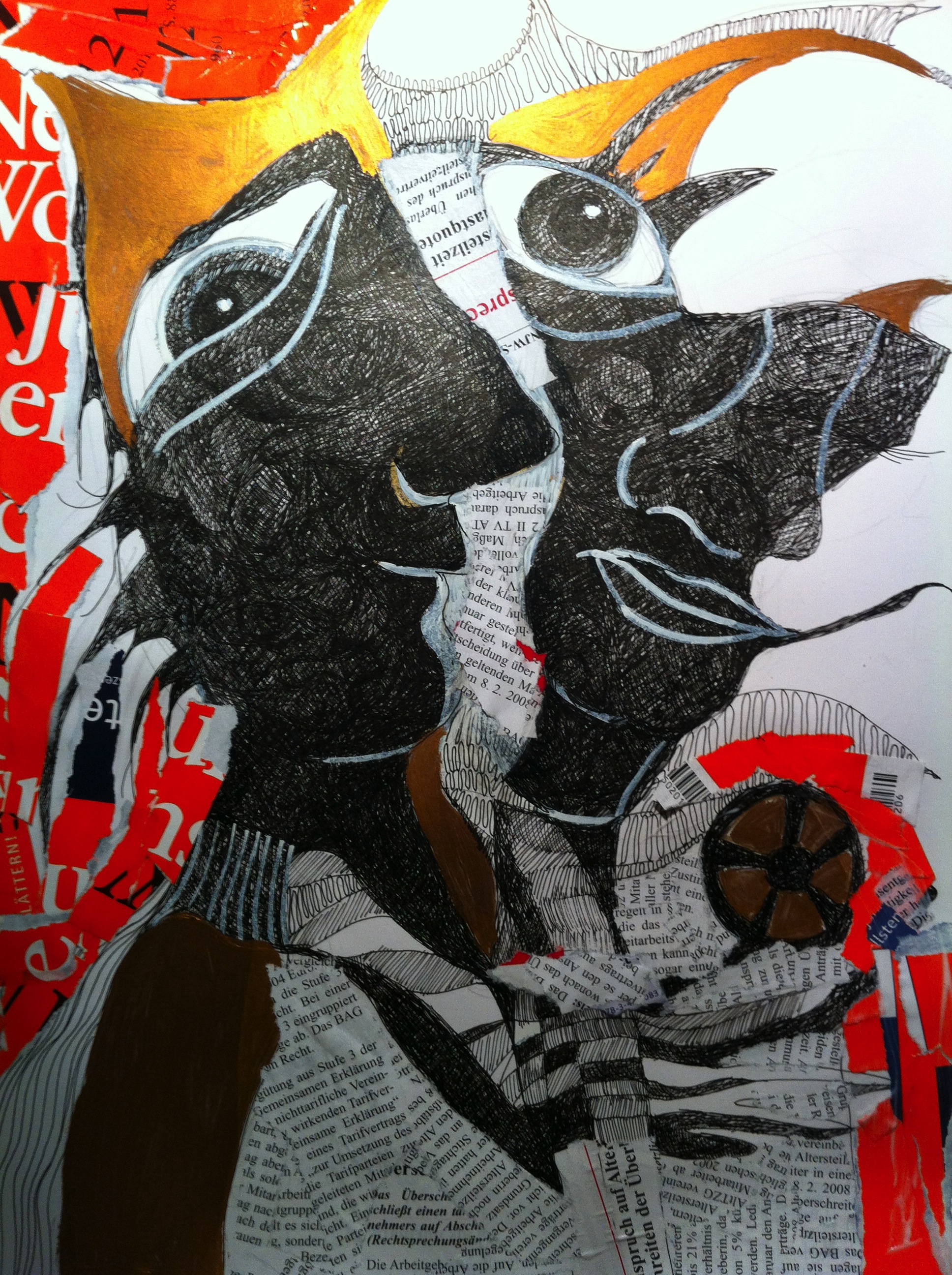
Royalty: a fee that is paid to the owner or creator of intellectual property when it is used again. Black’s Law dictionary
Intellectual property is a legal concept and like other legal concepts dependent on definition and open to political use and abuse.
The physical, geographical world has indeed been mapped extensively, some might say: exhaustingly, and to the extent that one may not walk this earth anymore without treading on another man’ or woman’s property.
As we are starting to protect that what we call intellectual property – with good reason, think compensation of artists, musicians, inventors who cannot work for free and live on nothing any more than any other trade could – we also have to think of what it means that we are willing to treat ideas very much the same way that we treat the surface of this planet.
As much as one – at the beginning of tis new century with its overwhelming environmental, cultural and economical problems – could question whether the concept of the exclusive private rights to use the land (property) and its resources has been beneficial one should now very carefully consider whether a similar approach of mapping the works of the mind through exclusive rights seems the path we should follow if we hope to address those problems that are not individual but communal problems, not problems of one country but of all people hoping to keep this earth a home for future generations.
“If nature has made any one thing less susceptible than all others of exclusive property, it is the action of the thinking power called an idea, which an individual may exclusively possess as long as he keeps it to himself; but the moment it is divulged, it forces itself into the possession of every one, and the receiver cannot dispossess himself of it. Its peculiar character, too, is that no one possesses the less, because every other possesses the whole of it. He who receives an idea from me, receives instruction himself without lessening mine; as he who lights his taper at mine, receives light without darkening me.” Thomas Jefferson, letter to Isaac McPherson, August 13th, 1813
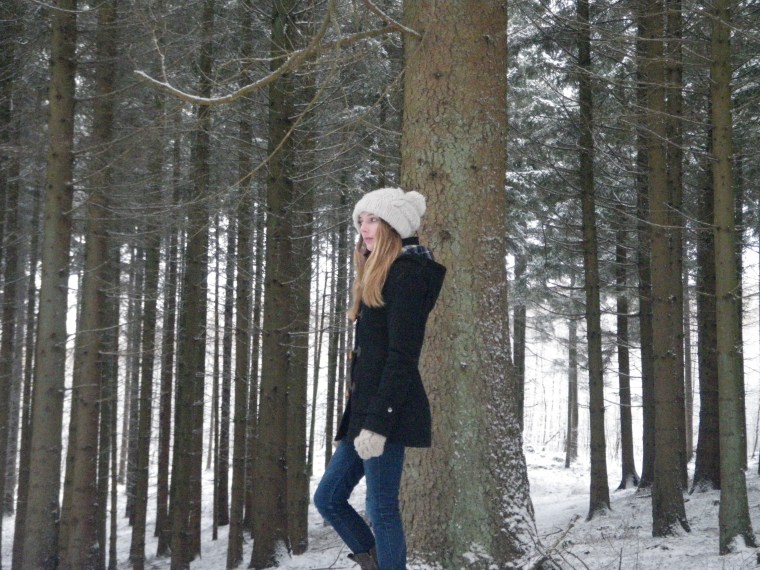
Dearest daughter,
in response to your letter in which you asked me very nicely to please allow you to walk into the wild woods by yourself:
remember Little Red Riding Hood? There was not a child more law abiding, sweet and obedient than her. A fact often overseen by those who refer to her story as a cautionary tale: the first third of it is entirely dedicated to how much everyone loved her due to her lovely and loyal disposition, truthfulness and dedication to her mother’s advice and guidance.
Do you think anyone hearing the story for the very first time – and being somewhat ignorant of the basic concept of morality in a fairy tale – do you think that such a person would expect her to forget about her mother’s advice the very first moment she encounters a challenge? Which is exactly what happens once she has wandered off happily with her basket filled with goods for her sick grandmother.
Well, we have to concede that she strays from the path of virtue for two reasons that somewhat make us stay sympathetic to her ordeal: first of all, she means well. A bunch of flowers from the wayside would surely be a welcome present for her grandmother? Never mind though that mother not only warned her against leaving the path but actually forbid her to do so! We see her put her own judgment without much quarrel with her conscience before her mother’s clear and concise directions. Let’s not forget we are talking about the most obedient girl in the village here!
The second aspect to exculpate her somewhat of course is that she is being seduced by a cunning conjurer of convincing tales. Can we really expect her to stick to those dry rules when confronted with the loveliness of the world beyond the right path as presented by a seasoned liar? The woods have never looked more inviting to her than after the wolf’s description of finely scented flowers growing in the shade of luscious trees! Shouldn’t we also blame her mother, by the way, who sends her into harm’s way? If there is a wolf lurking in those woods, as she well knows, why does she send her little girl on the errand? And you expect me to send you out into a world full of strange and unexpected temptations, equipped with just a few rules?
Here is the part of the story that has not been distributed widely but is worth considering. Prior to the whole walk in the woods scene Little Red’s mother had received a letter from her daughter. “Dearest Mother”, it read, “I am responsible and obedient. I would never do anything you told me not to! I have proven myself, now let me go!” Wouldn’t such a letter touch a mother’s heart just as yours’ touched mine? Wouldn’t it make her feel just a little guilty that she hasn’t entrusted Little Red Riding Hood with an important errand earlier already, Little Red Riding Hood, the best behaved, the loveliest, the most obedient girl in the village? You bet, it did. And we all know how the story ends!
Wait a minute, how does it end? If you think it has a bad ending, read again. Here we see her, sitting chipper at the table at her grandmother’s house, enjoying wine and cake in the company not only of her suddenly recovered grandmother but also in the company of a handsome huntsman?
Maybe this is not a moral warning tale about a girl who forgets the rules while she walks through the woods, ahem, to school on her own for the first time. Maybe it is a story about a girl who needs to make her own mistakes to find her own way, wolfs and all, and that despite all dangers there is a good chance for her to do just that. Maybe it is a story about a mother who needs to let her child go into the woods to find a way out again?
The more I think about it, the more I suspect that this is more a tale about the inevitable fact that mothers have to let their children go their own ways despite their fervent wishes to protect them against all evil and bad will, real and imaginary.
Go walk find your way through the wild woods as you must, my Little Red Riding Hood. But know that there is a wolf out there who will talk about moonflowers in the shades of the trees far off the beaten path …
With all my love,
Your Mother
i will write up the contract
entitling you to
a map of my brain, that world on fire,
almost like the contract
we roughly sketched with a yellow pencil stub
(for authenticity)
on the ripped-out fly-leaf
of the iliad in my grandfather’s study.
(sacrilege!)
we were children then
but that is not an excuse
i will write up the contract,
not for nothing
did i go to law school to learn how to
negotiate that what cannot be agreed upon,
how to arrange the terms of a transaction
that is to lead to mutual discontent,
for content is not to be gained through negotiation
and mutual discontent will have to do
we were children no more then
but that is not an excuse
your signature stands in for
your body so it better be water proof ink.
maybe we were smarter still
when we used that yellow pencil stub
to draw a contract
that neither of us meant to honor.
we were pirates after all.
children do grow up
but that is not an excuse
so let us sign it in waterproof ink then,
against our better judgment.
here is your letter of entitlement,
all i ask in return is
the right to keep that old flyleaf,
signed in pencil.
good luck to you now.
i forgot to inform you
that this kind of contract cannot be
specifically enforced,
but then again,
you didn’t care for the flyleaf,
did you.
we are but children.
and that shall be our only excuse.
The Art of Psychogeography
Hinter den Kulissen des Hamburger Modelabel NUSUM.
A little something for you.
und die Armut des Geldes
I have people to kill, lives to ruin, plagues to bring, and worlds to destroy. I am not the Angel of Death. I'm a fiction writer.
Astronomy, space and space travel for the non scientist
I read whilst commuting and post the reviews here.
Stich um Stich. Mode und Handarbeit.
Arts, Crafts, Illusions, Photography, Surreality and Humanities
Blog zum Arbeitsrecht seit 2009 - Fachanwalt Andreas Martin
der inhalt meines buchregals
inger-kristina wegener, artist, writer, lawyer
Visual Arts from Canada & Around the World
Musings on a mad world
Lese- und Lebensdinge
 Art & Writing