First Amendment questions, excerpt from my new novel in writing
 “Why wouldn’t they?” Fiona retorted. “Doesn’t everybody crave freedom? Every single person? And especially those who are bound by a contract to obedience?” I gave this some thought. I wasn’t sure. That everybody craved freedom, was that really self-evident?
Freedom was a constitutional right where I came from, though if you had a closer look at it, the Constitution didn’t put it that way, it didn’t just say “freedom”, it was much more specific. I had struggled with unanswered questions about the First Amendment in school, questions my teachers had not been willing to address and other students not willing to discuss. The US Constitution was just part of our curriculum and it was as dull a topic in school as calculus. I understood that the First Amendment guaranteed political freedom. It didn’t address the question if freedom was attainable for the individual, it didn’t line out how we would have to imagine freedom and also not whether most people regarded freedom as high on their list of priorities as say convenience or security. Freedom as guaranteed by the First Amendment was an instrument to obtain the many different things people craved, the one instrument that made sure, people could pursue different goals in life unhindered by their government, ranging from money, to power, to self-expression. But if there existed such a thing as “freedom” in a way that was more profound than a kid’s wish never to be told no, that the constitution did not say. The First Amendment gave evidence that certain elements of what must constitute freedom had at some point gained enough political momentum to be written into stone. Congress shall make no law respecting an establishment of religion, or prohibiting the free exercise thereof; or abridging the freedom of speech, or of the press; or the right of the people peaceably to assemble, and to petition the government for a redress of grievances. We had had to learn this in school by heart and I recited it to the girl Fiona while I was putting the kettle on the range. I had refilled the kettle with fresh water this morning after tea as I did every morning. Ah, yes, said Fiona, but that is history, is it not. I was stunned. Sure, it was history, but it seemed to me that it was less history to Fiona in a time that was clearly just post-revolutionary than to me, who was born after the Civil Rights Act of 1964. Fiona continued still. We all know that the the only moral commercial transaction is one truly voluntary on the part of the buyer and the seller. And the same must be true for any personal contract we sign when we are asked to join the congregation. We all crave freedom, continued Fiona, but we must lead a moral life or else we have no hope. I thought that sounded like she had learned it by heart. I couldn’t tell whether she believed it, too. Or whether she had ever questioned that belief if she did. Her voice was almost neutral.
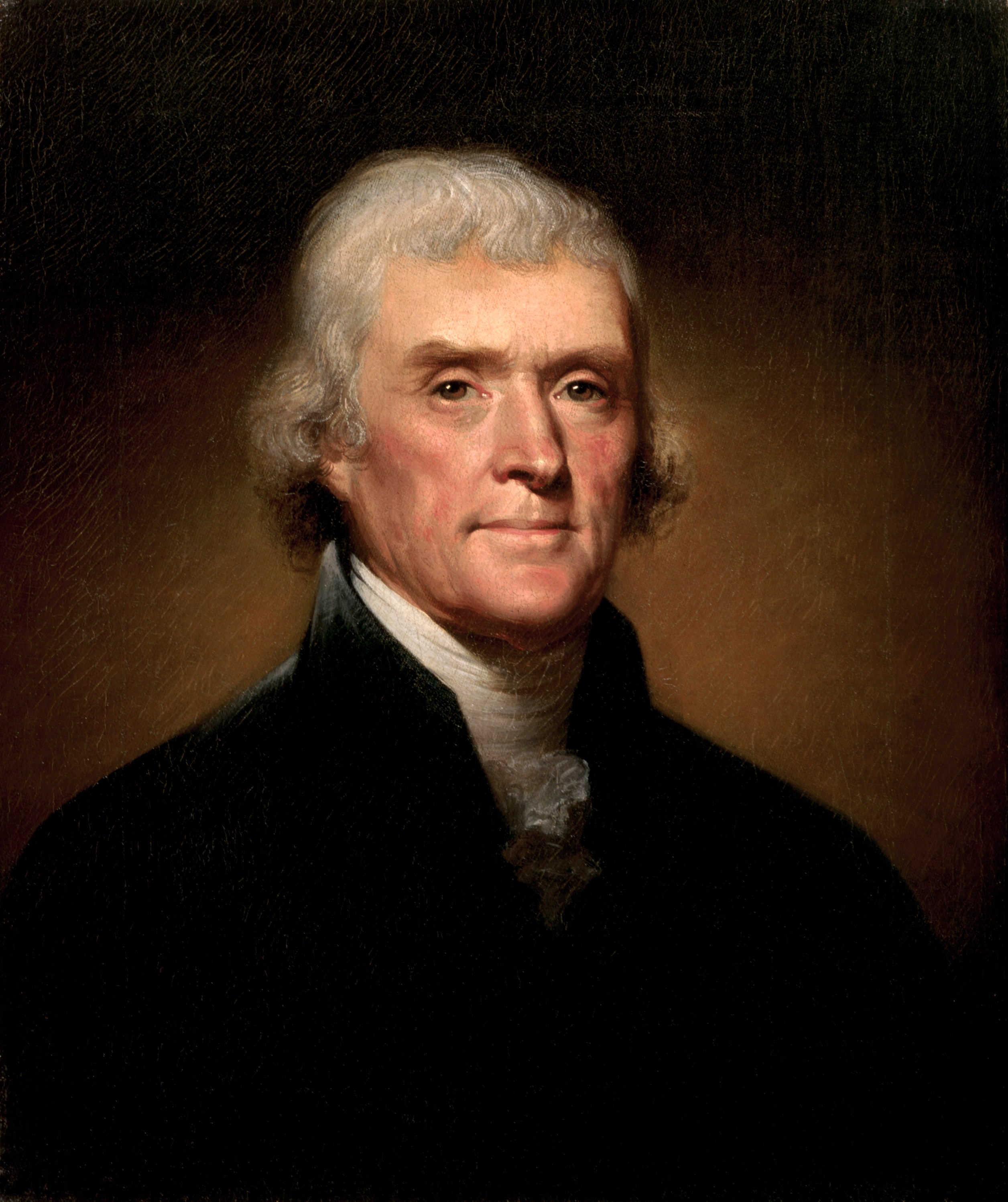
I recognized the Thomas Jefferson quote. My father had once cited that line by Thomas Jefferson. That was before the divorce and when my parents still loved fighting vehemently over politics instead of engaging in the bitter and rather quiet discussions of personal matters just before the end of their marriage. But my father had cited Jefferson in a completely different context than Fiona did. I put the leaves and herbes into the tea pot as Aunt Melissy had taught me and tried to sort out my questions. You mean, I said slowly, that you use your freedom to decide whether you want to be bound by the rules of your congregation?
 Art & Writing