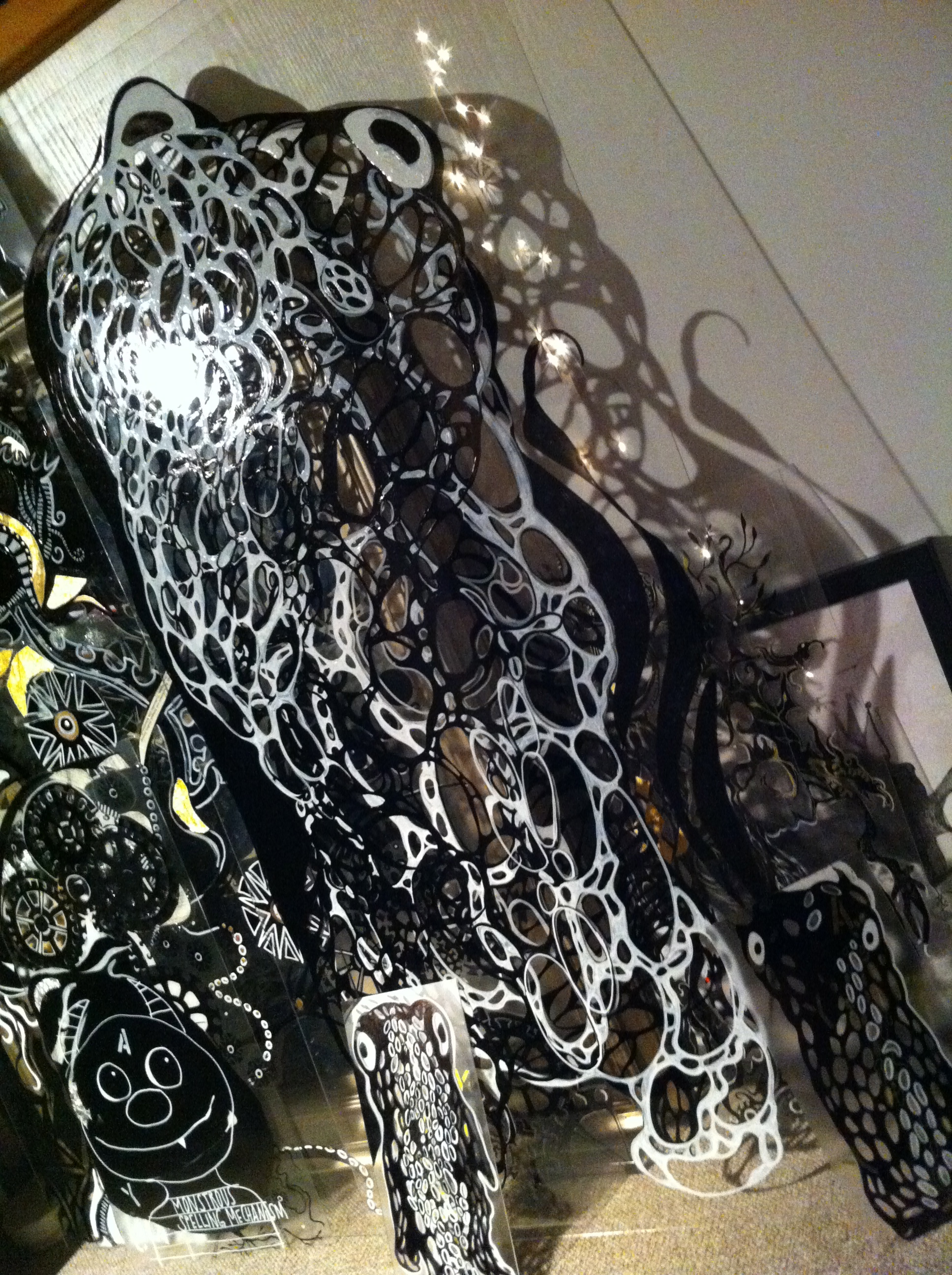
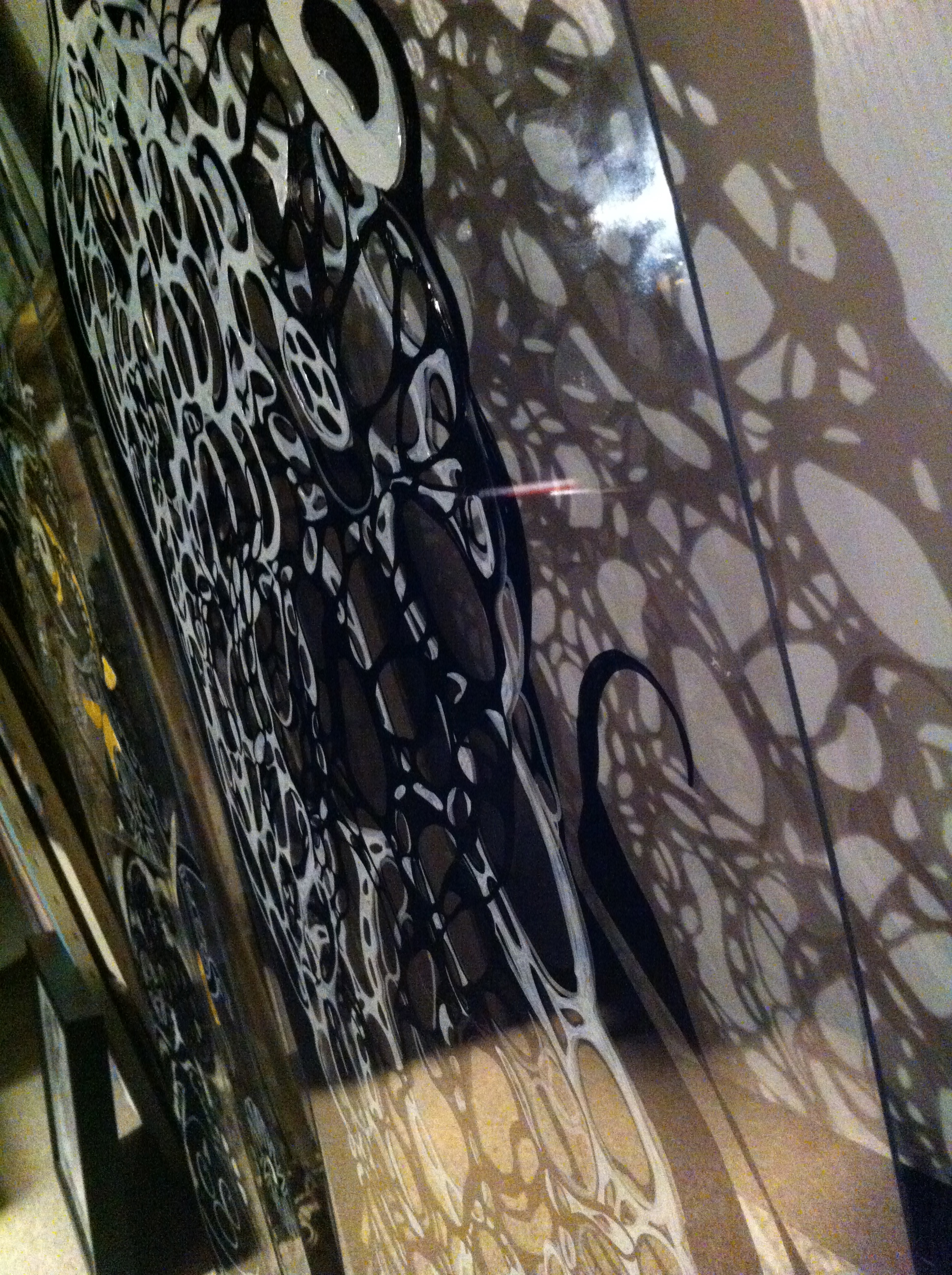
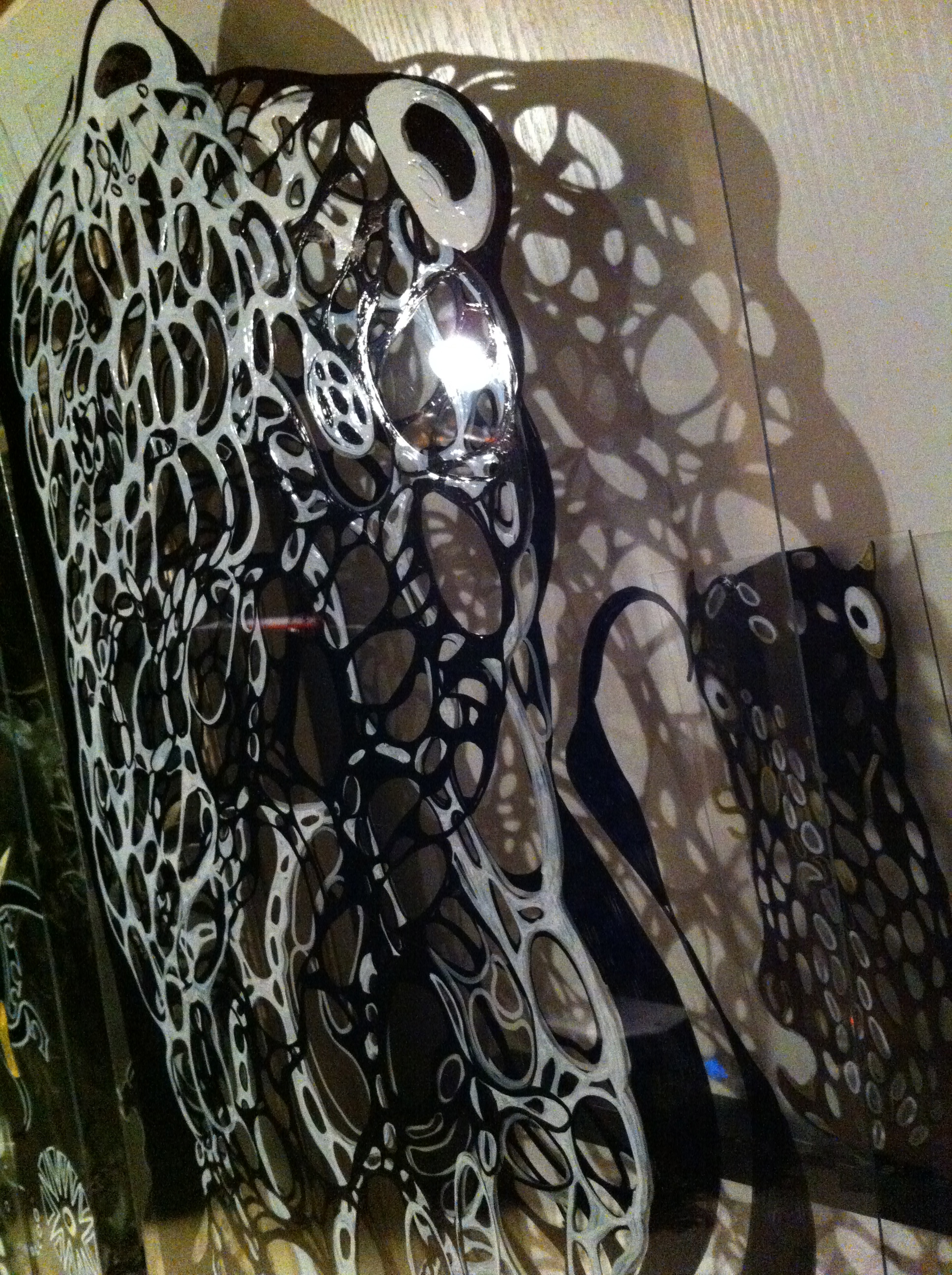
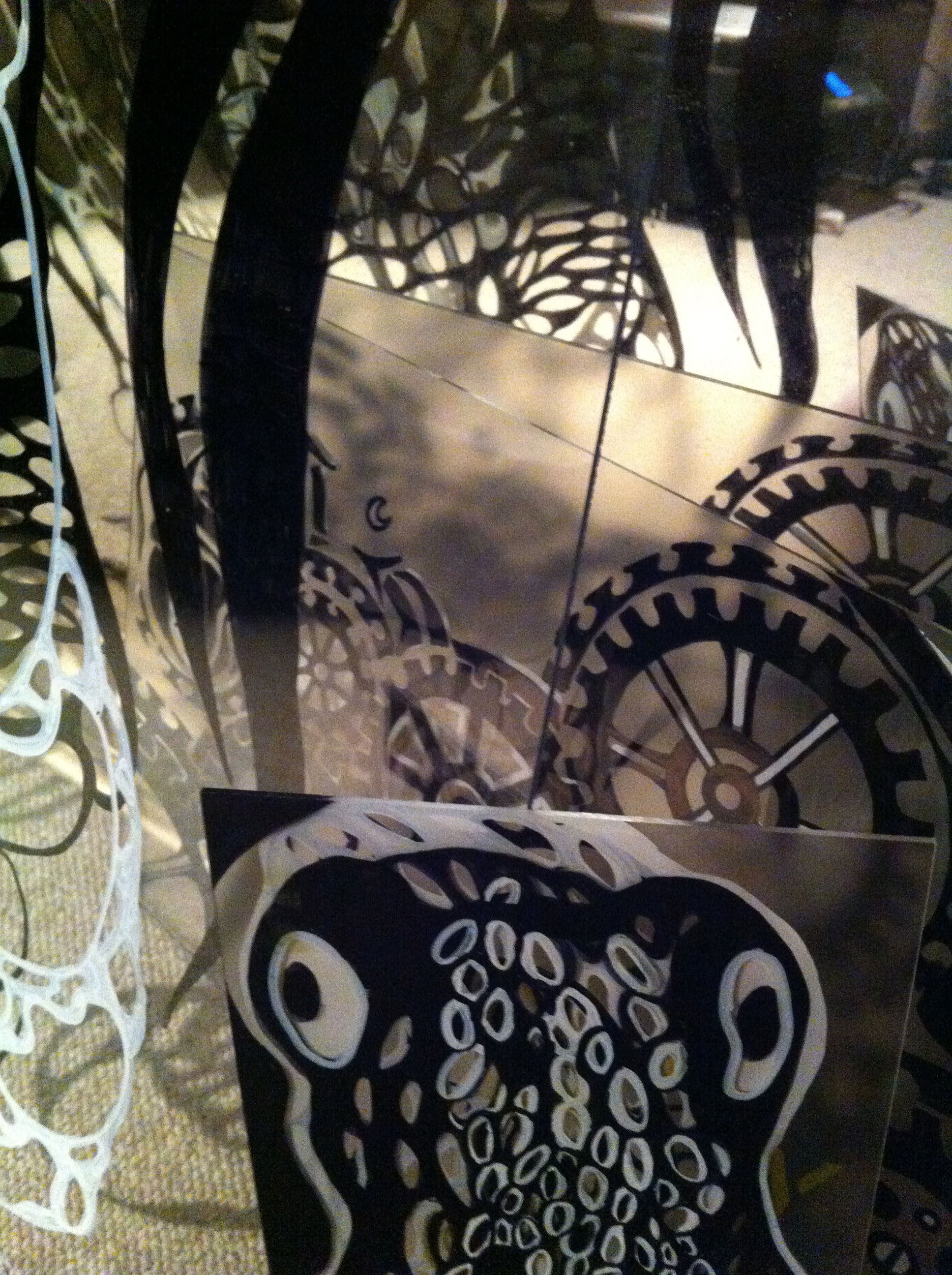
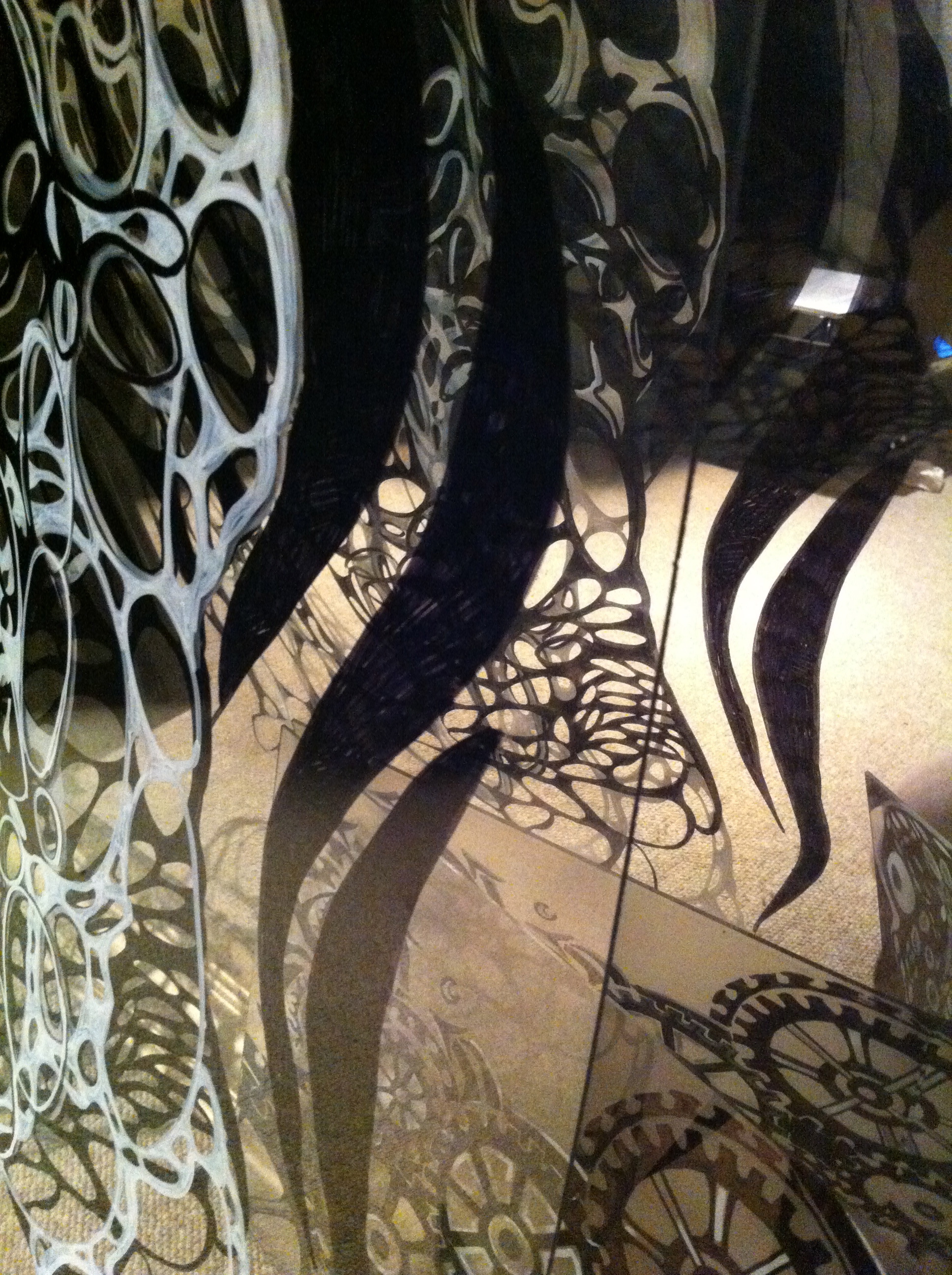
the earth itself, underneath my body, was a breathing organism, like a gigantic whale you find yourself stranded on
How hard my mind had to work to keep control, to still try to make sense out of a wealth on information that had long stopped to be apprehensible by any rules I had been led to understand applied. But only submission to the world of grown-ups would have you believe that they were – in general – truthful about the world. I didn’t believe this anymore but tried to rely on my own senses instead. It was treacherous ground.
For example that night. As I lay in the dark, eyes closed though wide awake, the surface of my bed felt soft as was to be expected, but it felt soft in the way I had experienced and shied away from before. It seemed to be soft in an organic, breathing way. I tried to distinguish between my own breathing pattern and the breathing of that soft, pliable surface I felt underneath my body. It was an uncanny feeling – but just ask yourself how many sensations you can really clearly distinguish besides soft and hard, warm and cold, pain and pleasure. Truth is, you constantly rely on additional sensations and context to tell you about the thing you are experiencing through just one of your senses to make sense of something.
What was it that I was feeling? Something that I feared, but I didn’t know why I feared it or whether I had reason to fear it in the first place as I was completely unaware of its nature. All I knew was that last time I checked my bed had not been breathing. As before it felt actually – and it made perfect sense to think those words as irrational as they might seem – that the earth itself, underneath my feet, my body, was a breathing organism, like a gigantic whale you find yourself stranded on. It didn’t make sense and I couldn’t explain to myself where that strange idea actually orginated. Nothing I had read or talked about lately had pointed in that direction. Remember, there was no internet and but little TV. None in our house, by the way.
And yet, I just felt it, right there and then, the surface underneath me belonged to something alive, and I knew I had to open my eyes to find out what was going on, but I was entirely too scared to live up to my own imaginative ability. All I could manage to do, pathetically, was to continue breathing slowly just as I had done during those long ago nights when I had led some non-existing intruder to believe that I was asleep. And with each moment the sensation of a sighing, breathing surface underneath my body was getting stronger.
space, void of people
I woke up when a hand was gently nudging my shoulder. My neck was stiff. I was still sitting in the library chair. Dr. Hausner was gone. “Miss, I am afraid we are closing.” A woman’s voice. I looked up. Ms. Clarice stood right next to my chair, smiling. All other visitors were gone. I got up drowsily and carefully checked the window reflections, too. All visitors were gone. “Are you alright?” Ms. Clarice inquired. I looked at her closely. Her small golden earrings reflected the fluorescent library lights, transforming the miniature reflections of the library on the convex mirror of the gleaming curves into a warmer, more elegant version of the actual space. An alternate space more suitable for someone like Dr. Hausner than the mundane space of Summerville library.
“When did Dr. Hausner leave?” I asked. Ms. Clarice narrowed her eyes. She ignored my question. “You must be very tired,” she replied, “go home and sleep.” “Did you see him?”, I insisted. “Go home and sleep, Miss, I have to switch off the lights now.” I wanted to protest but she anticipated my notion and gently shoved me along. “Come back tomorrow,” she repeated, not unfriendly. We walked down the staircase together.
There was nobody downstairs either. From the winding staircase I could see the lower floor breathing calmly. The tessellation of the carpet tiles looked like the exposed skin of an ancient creature. An empty library is a marvelous space. Really any space empty of people holds some kind of promise that seems to disappear once it gets populated. When I slowed down to linger on the staircase, I felt Ms. Clarice’s warm hand on my shoulders again, encouraging me to continue down the last few steps. I sighed. “It’s beautiful, the library, “ I said apologetically, “at night, I mean. When all the visitors have left.” We reached the ground floor. I took care not to step on the lines of the irregular tile pattern. I have never been quite able to just move without paying attention to the rhythm of any kind of tile, responding to it in some way, and today was not the day to start with it. Ms. Clarice remained silent while I gingerly crossed the open space. I wondered if I ever would get used to people not answering. Strictly speaking, I had not asked a question though. Ms. Clarice looked the kind of woman who did not have an appreciation for idle conversation.
She waited patiently while I balanced over to the cubbies to pick up my bag. I pulled out my jacket first. A small piece of paper trundled to the floor like a feeble bird. Folded from yellow legal paper. I bent over and picked it up. Ms. Clarice was still waiting for me at the door, so I simply slid it into my pocket, shouldered my bag and walked over. She still smiled, never once complaining about the delay. “Good night now,” she said simply. I nodded. She locked the door right behind me. It was cold outside. When I turned around, the lights in the library had already been switched off. The building looked deserted. I started walking into the evening.
the library, a visitor/2
As a matter of fact, Dr. Hausner had started talking again. The low drone of his voice brought me back from my existential self-doubt to the mundane world of the Summerville library. Or not so mundane as I had just recently discovered. I drifted off again as if lured away by my own obsessive thoughts. What was real? What was dream? Where was I when I wasn’t aware of myself? Where was I when I was asleep in my bed? I pinched myself hard to make myself listen to the melodic voice of the blind man by my side.
“Normally they go about their own business, “ Dr. Hausner concluded at that moment. “But of course they are bored.” He seemed to be thinking for a moment, folding his elegant white fingers in his lap. Then he added: “Even in the library.“ He sounded incredulous as if that was an incomprehensible idea. “But what are they doing here?,” I ask. “Where do they come from?”
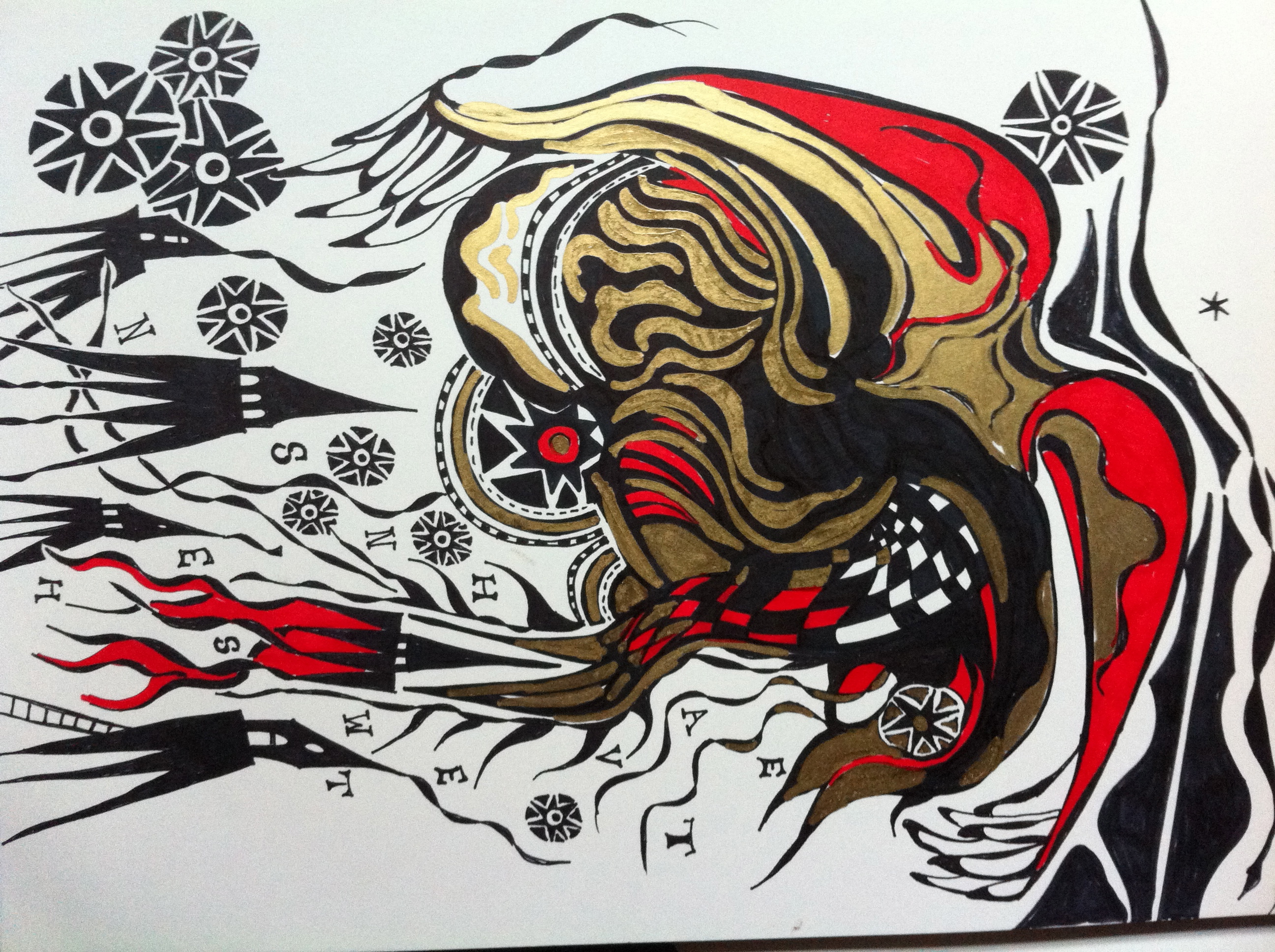
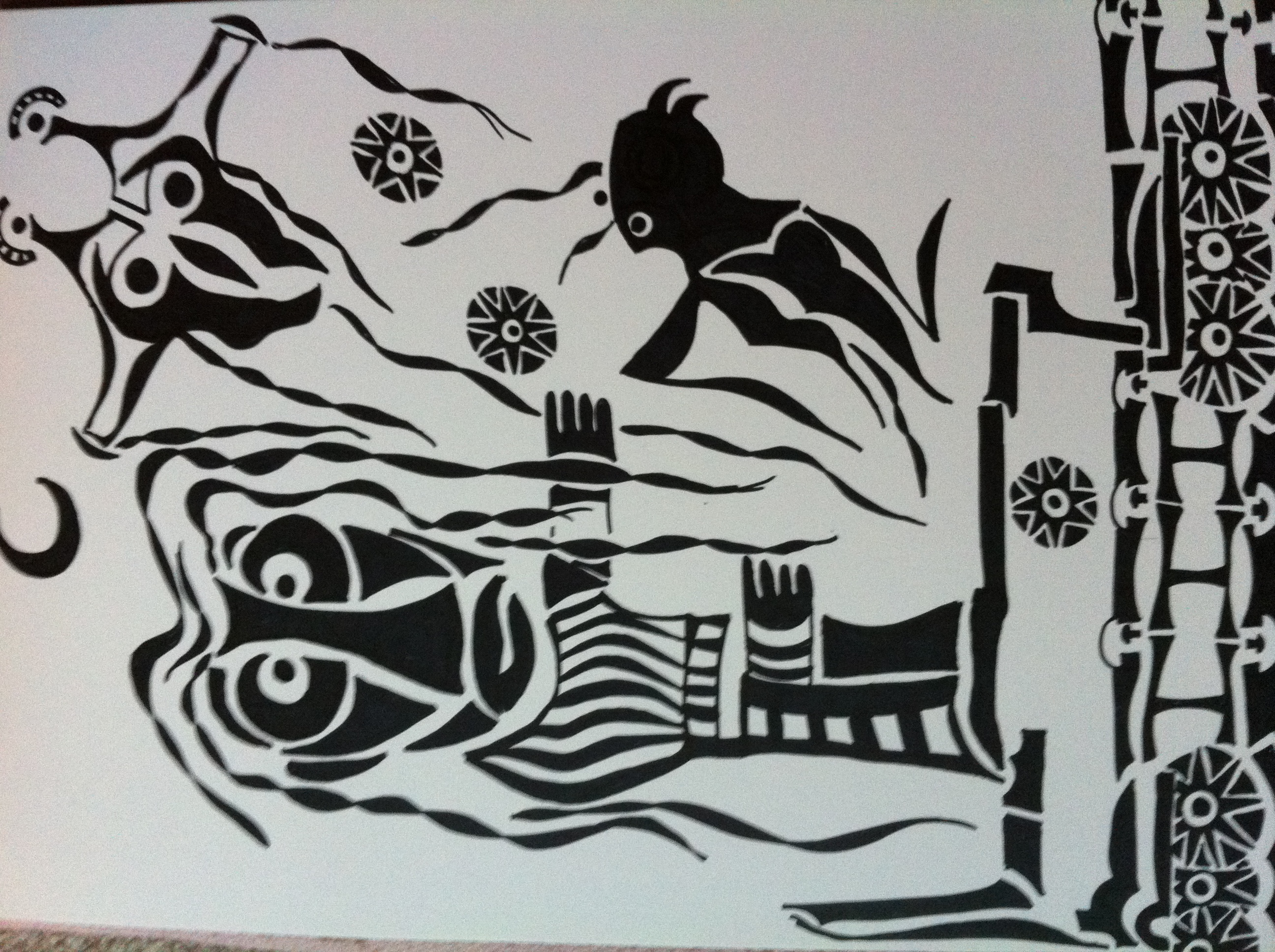
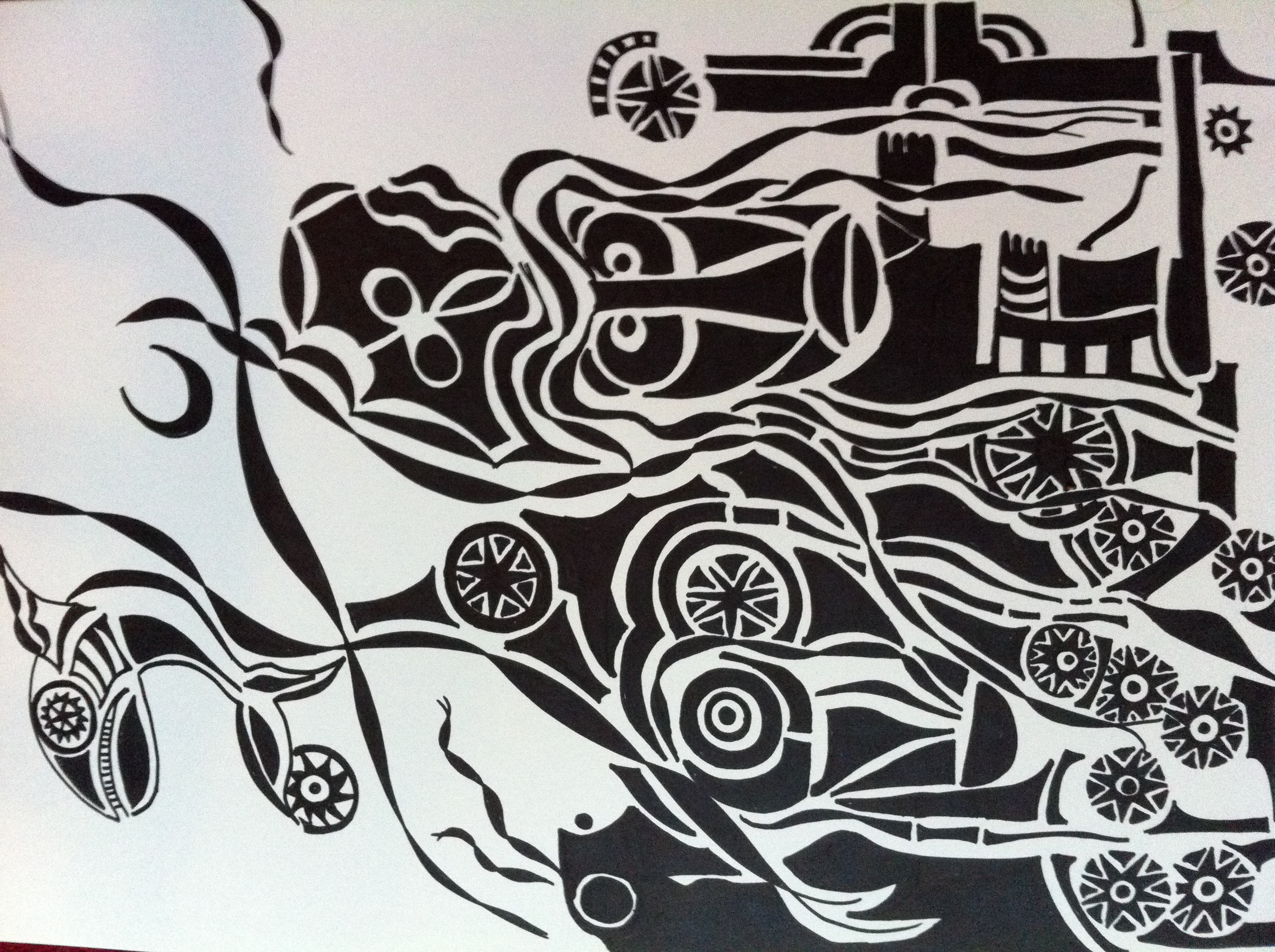
perfection and love
When the boy was about five, old enough to overhear grown-up conversations, Iris had told him in carefully phrased sentences that she and her husband were not his biological parents. She told him that he belonged to them and that they considered themselves to be his parents just as if he would have been born to them. He had listened to her rehearsed words with an expression of inward contemplation. She had looked at his face while she was speaking, overwhelmed by the insufficiency of her own words, their stupidity even. How was he supposed to know what the term biological parents implied? When she had finished nervously and had braced herself for questions or tear or anger or resent (even though she could find no reason why he should feel resent against them learning that they had taken him in to be their son), he had stayed quiet for a while and they had looked at each other as two grown adversaries would, appraising the other’s strength and resources. Then, suddenly, his face had lost the frozen expression, and he had smiled at her, an overwhelmingly bright smile, and had asked her whether he could go outside to play with the mud people.
If they fullfilled their parental obligation towards him without ever truly finding the kind of love a parent might feel for a child, he did love them as a child loves his parents without contemplating nature, extent or meaning of his love. If he ever felt that he was missing something he never betrayed such a feeling through his behaviour or his words.
Sometimes there was a strained look in his eyes when his father left the room as if he recalled being left behind which of course was impossible as he had only been a few hours old when the custodian had found him. At other times Iris caught him looking at her inquiringly. But whatever question he was expecting her to answer he never put it in words. How could they have suspected that there were moments when sudden terror would overcome him, like a feeling of unmendable loss, how could they have known as those were moments when he was at his quietest, looking at a page in a book, an illustration, a word, waiting for the moment to pass. In time the random words he had stared at when the feeling had overcome him came to stand for the darkness. Solanum tuberosum. Common potatoe. Dampness and desperation. Polygala Alba. Milkworth. Sudden death. The word stood for the thing as much as the thing stood the word, even the spoken word. He saw the lines of letters when these words were spoken, and the letters formed the words in an inexorable logic and the words frightened him. The feeling never lasted for longer than a few seconds, seconds that questioned his whole existence and spelled extinction. It was not in his nature to display even this intense fear, he was separated from it as if it happened to another person, and the stillness in his own heart prohibited to revolt against the stranger who took over a five year old to feel what the child would have had no reason to feel himself. Unless memory holds those first few dramatic hours when it is decided whether we shall live or die before knowing even our parents. It was as if he had to carry a glass full of water without spilling a single drop – he literally held his breath while he lived ever so carefully. Only that he didn’t hold a glass but that it was himself who contained something that he was afraid to spill by sudden movement.
Maybe it was his composure that made it so difficult to love him. It didn’t help that he was completely self sufficient. Or that he did not seem to be aware of the extent of their generosity in accepting him as their son. And as it is difficult to love what is complete in itself and beyond the need for protection, it is equally challenging not to resent the person, even a child, who receives a gift with an air of leisure acceptance. He certainly did not behave as if they owed him any care but it was as if he accepted the gift of their being his parents as a favour and generosity towards them.
«But after all», Iris wrote in her journal «isn’t it quite normal that children are not grateful for their existence, and isn’t it indeed true that they are a gift to their parents? » And yet it felt as if there was a mistake in her observation. If there were none of the disturbances children will cause willfully or by the pure fact of their existence, there was little laughter either. Disturbances of the kind that children cause shake the core of life and make it vibrant. The average child will break the rules, not keep them, and this unwillingness to obey rules as much as it may annoy and exhaust a parent lies the true reason for love. We cannot love what follows us blindly, in our hearts we want to be reminded that there is life outside the prison of our self imposed rules. We do want to laugh at ourselves and at the world that we have build and have considered good while we knew better. And yet it is almost impossible to admit not to love someone due to the fact that they are – perfect.
Thibeas’ addresses the younger daughter of Kharin
we glide through existence like neutrinos, neither positively nor negatively charged, unimpressed by atomic interaction, we are white noise, alternate space, enigmatic witness to the beginning and the end and the renewal 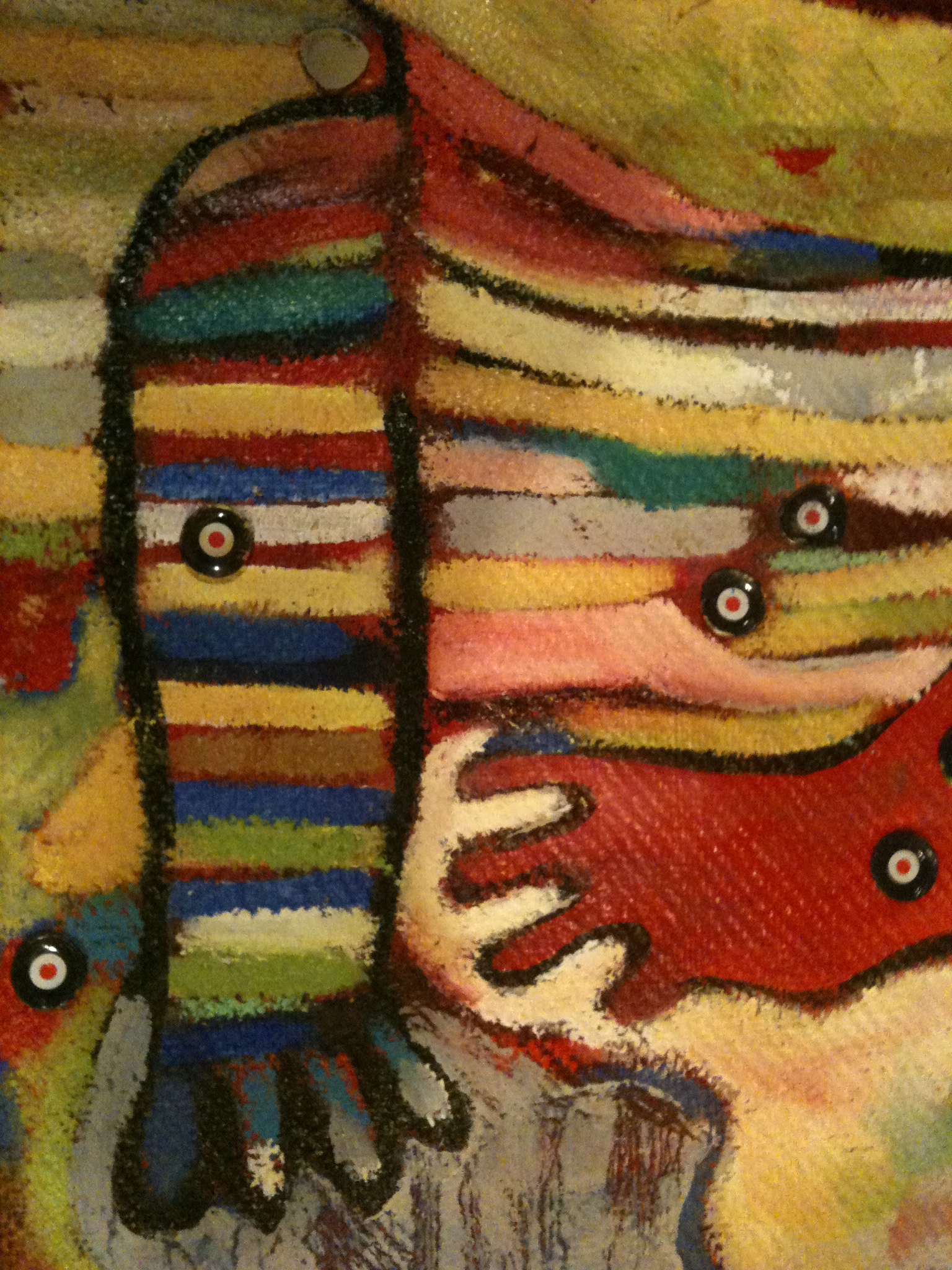
 Art & Writing